
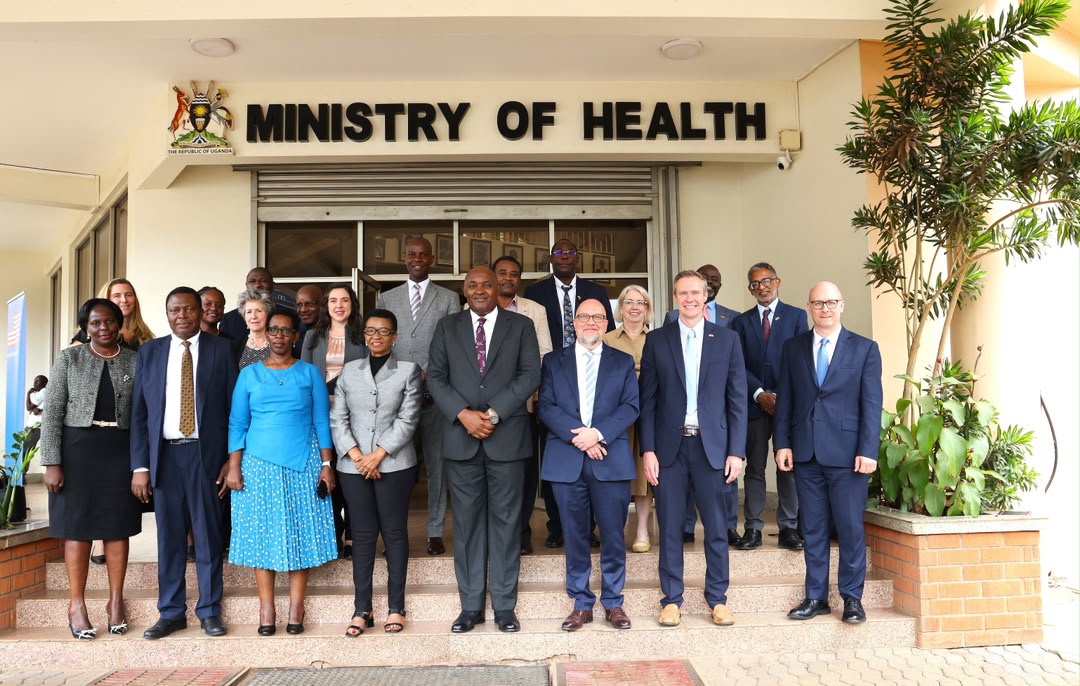
A senior United States delegation has concluded a five-day visit to Uganda, reaffirming Washington's commitment to supporting the country's Ebola response, strengthening regional health security and expanding humanitarian assistance.
The delegation, which visited Uganda from July 11 to 15, 2026, comprised Deputy Assistant Secretary of State for Global Health Security Joe Scovitch, Deputy Assistant Secretary of State for Disaster and Humanitarian Response Taylor Garrett, and the U.S. Centers for Disease Control and Prevention (CDC) Ebola Response Incident Manager Dr. Satish Pillai.
During the visit, the officials travelled from Kampala to Uganda's border with the Democratic Republic of Congo (DRC), where they assessed measures aimed at containing the ongoing Bundibugyo virus disease outbreak.
The delegation toured Entebbe International Airport to observe traveller screening procedures, inspected disease surveillance systems at the Vurra border point of entry, and visited the Uganda Virus Research Institute laboratory in Arua. They also met teams at the Arua Regional Public Health Emergency Operations Centre and the National Public Health Emergency Operations Centre.
The officials further visited a U.S.-funded World Food Programme (WFP) logistics hub and met humanitarian partners and implementing agencies at Imvepi Refugee Settlement, where efforts are underway to integrate Ebola surveillance with refugee response operations.
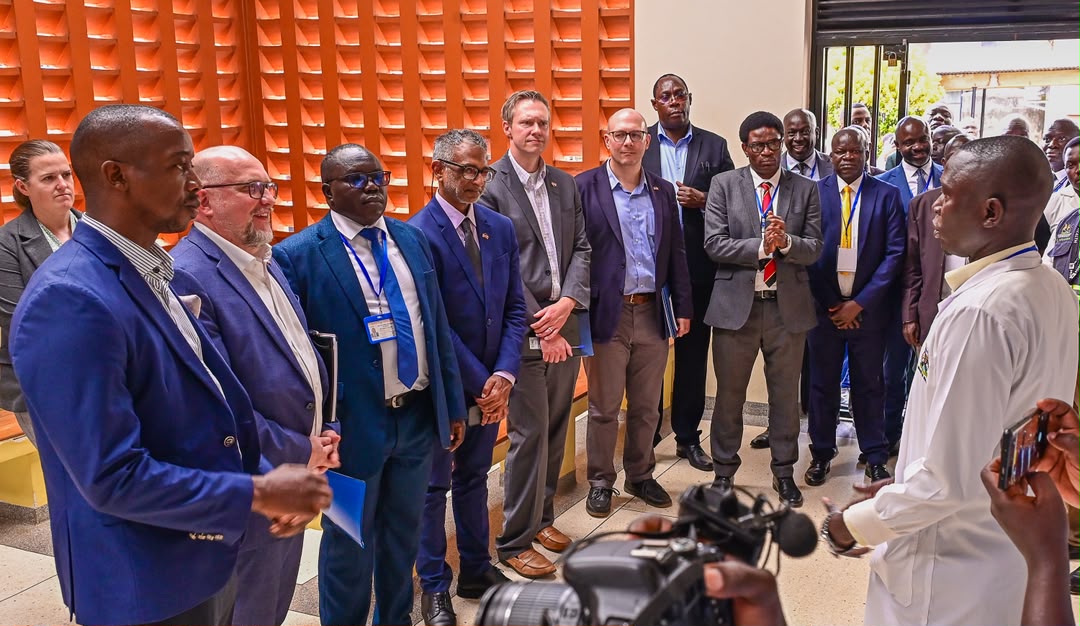
The delegation also held discussions with Ministry of Health officials, including Health Minister Dr. Chris Baryomunsi, on strengthening U.S.-Uganda collaboration in health security.
U.S. Embassy Chargé d'Affaires Mikael Cleverley commended Uganda's response to the outbreak and highlighted the importance of regional cooperation.
"This visit reinforced the strong U.S.-Uganda health collaboration and our continued support for Uganda's leadership in responding to the Bundibugyo virus disease outbreak," Cleverley said.
"Uganda's emergency response and laboratory systems are strong and effective, and the close coordination we witnessed, including Ugandan and Congolese health officials working together at Vurra, demonstrates the kind of cross-border coordination that is essential to stopping this outbreak."
According to the U.S. Embassy, the United States remains the largest single donor to the regional Ebola response, having provided more than $370 million to strengthen laboratory systems, disease surveillance, contact tracing, border health screening, emergency operations and community engagement across the region.
In addition, Washington has committed $350 million in humanitarian assistance for the Democratic Republic of Congo, Uganda and South Sudan through the United Nations Office for the Coordination of Humanitarian Affairs (OCHA).
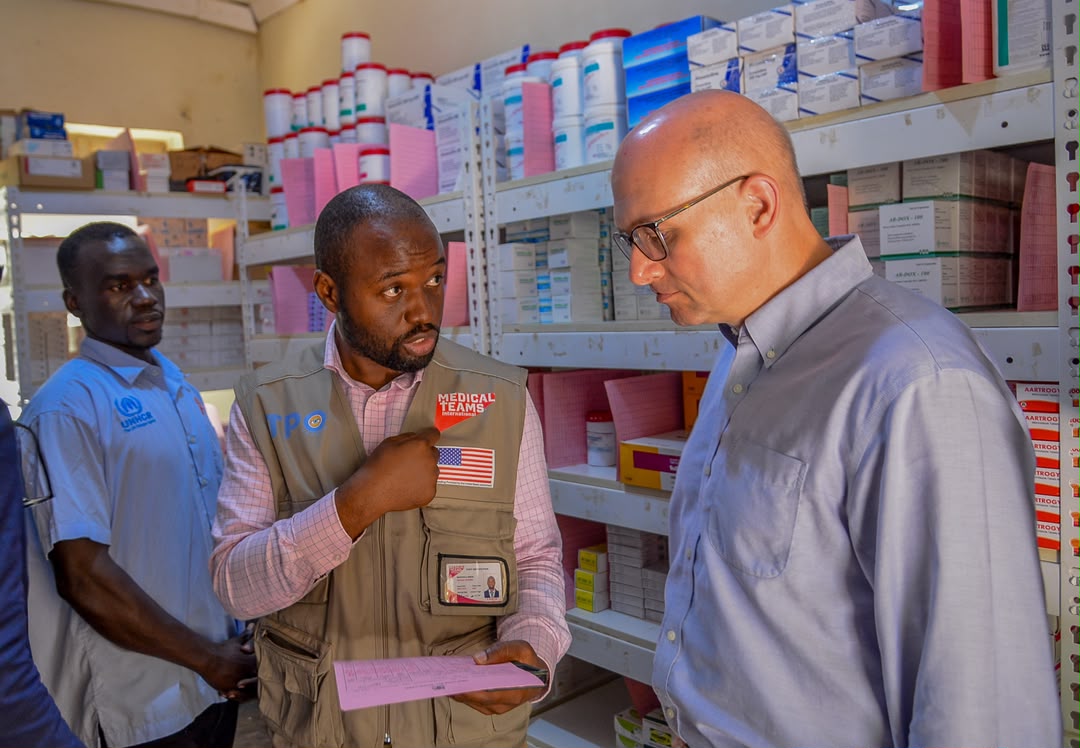
The visit also reaffirmed the implementation of the $2.3 billion U.S.-Uganda Health Memorandum of Understanding, which aims to strengthen Uganda's health systems, improve preparedness for disease outbreaks and support long-term health security.
The engagement comes as Uganda continues to work with regional and international partners to contain the ongoing Ebola outbreak and prevent cross-border transmission.
On Thursday, Uganda discharged its last Ebola patient leaving the country with no active confirmed cases of the deadly disease.
