
Leaders at Bidibidi Refugee Settlement have raised alarm over a reported rise in suicides among men, attributing the trend to prolonged reductions in food assistance that have left many refugee families struggling to survive.
The Refugee Welfare Council (RWC III) Chairperson for Zone One, Luka Malech Otim, said his zone alone has recorded about 20 suicide cases since food ration reductions began around 2023.
Otim said many men are experiencing severe emotional distress after losing the ability to provide for their families, a responsibility that carries strong social expectations in their communities.
"In 2024, 2025 and 2026, the rate went high because the issue of categorising refugees came in and it affected people so much. That is why when you look at the issue of suicide, the majority dying are men," he said.
Bidibidi Refugee Settlement in Yumbe District is Uganda's largest refugee settlement, hosting more than 200,000 refugees, mainly from South Sudan and the Democratic Republic of Congo.
In recent years, humanitarian agencies have reduced food assistance because of funding shortfalls, leaving many refugee households increasingly vulnerable.
The concerns were raised during a visit by Dr Henry Labeja, the chief executive officer of We Care Foundation, a community-based organisation that donated clothes and shoes to vulnerable refugee families.
Otim said the impact of the food cuts extends beyond mental health, with schools reporting increased dropout rates, particularly among girls. He added that cases of child neglect and the number of widows requiring support have also increased.
Speaking during the event, Dr Labeja called for stronger collaboration between humanitarian organisations, government agencies and development partners to support refugee communities facing growing economic hardship.
"I personally went to school through the support of the Mastercard Foundation scholarship, which instilled in me the heart of giving. The little I give can help save a life somewhere," he said.
With support from Christians of Layibi Catholic Parish and Christ Church Parish in Gulu, We Care Foundation donated 15 sacks of clothes and shoes to vulnerable refugees in Zone One of the settlement.
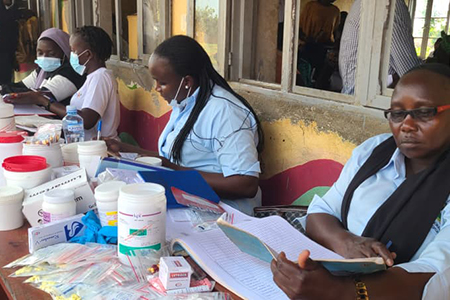
Yumbe Regional Referral Hospital has also stepped up community outreach through barazas, providing HIV/AIDS counselling, psychosocial support and other essential health services to refugees.
Medical Social Worker Zubeiri Olema said the hospital is working to improve access to counselling and mental health services for vulnerable individuals and families affected by the ongoing challenges.
Meanwhile, the Office of the Prime Minister (OPM) has appealed to development partners and other stakeholders to strengthen support for refugee settlements by working through community-based organisations that can reach affected households more effectively.
Rodgers Akankwasa, the OPM focal person for protection and health at Bidibidi Refugee Settlement, said empowering local organisations such as We Care Foundation would not only improve service delivery but also create employment opportunities for both refugees and members of the host communities.
Refugee leaders expressed hope that increased humanitarian assistance and expanded mental health services would help address the growing crisis and restore dignity and hope to families struggling with the effects of reduced food aid.
