
MAYUGE — The government has reaffirmed its commitment to improving the livelihoods of persons with disabilities (PWDs), with Third Deputy Prime Minister Lukia Nakadama calling for wider adoption of initiatives that promote economic independence.
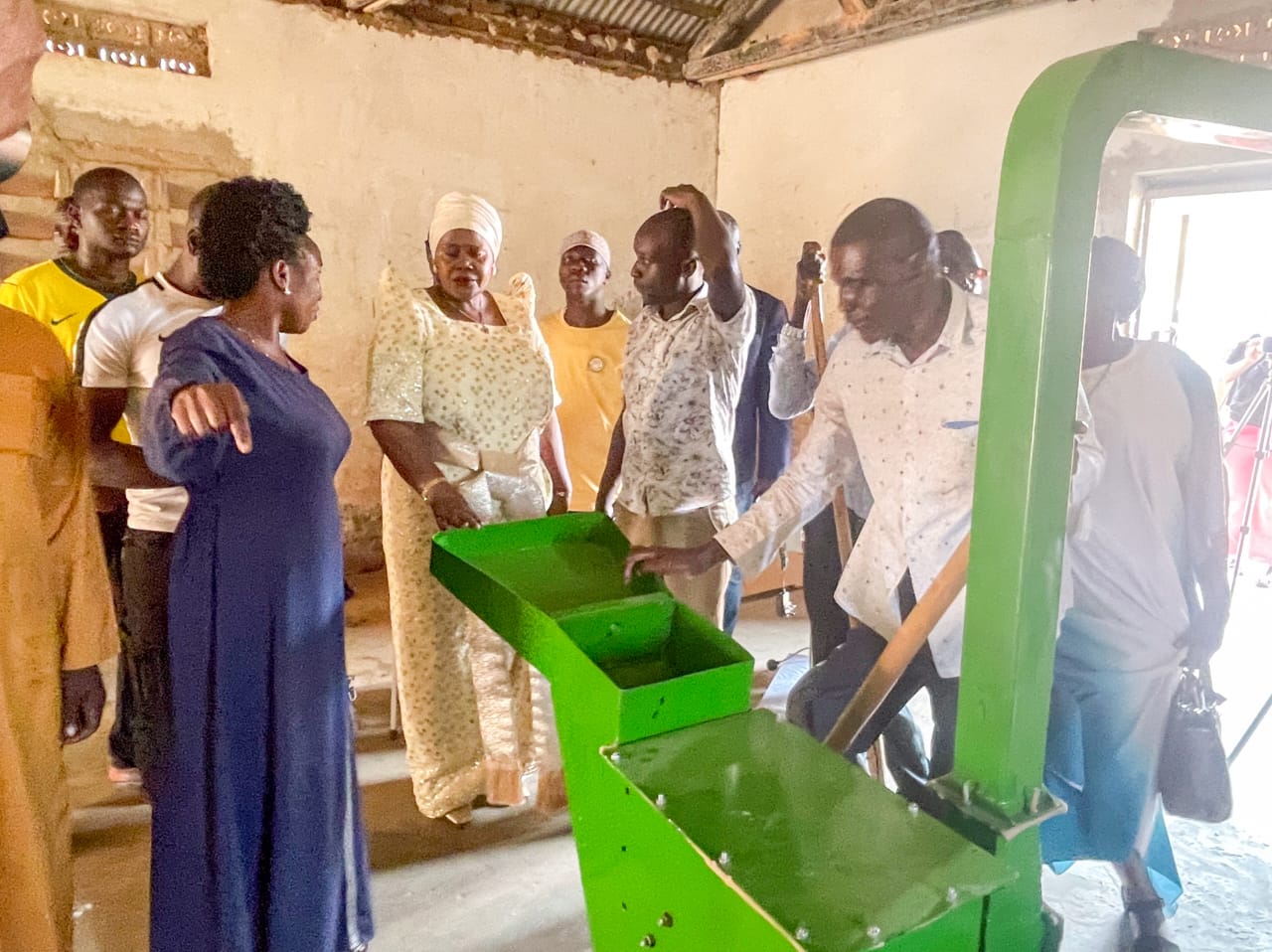
Nakadama made the remarks while commissioning a maize-milling machine worth about Shs60 million donated by the Grant Thornton Foundation to the Twezimbe Luubu Group of the Blind in Luubu Village, Bukatube Sub-county, Mayuge District.
The milling machine is expected to enable the predominantly visually impaired group to process maize commercially, creating a sustainable source of income for about 100 members.
Commissioning the facility, Nakadama urged the group's leaders to manage the project effectively so that it benefits both members and the wider community.
"I want to encourage our people, especially those in management, to use this machine well so that it can multiply and serve our blind people and their families," she said.
She said the initiative complements government programmes such as the Parish Development Model (PDM), through which eligible beneficiaries can access financial support to improve their livelihoods.
"Every blind person here is entitled to receive the PDM funds. Let them use that money together with this machine so they can buy maize, process it and earn more income," Nakadama said.
She also urged local leaders implementing the PDM to prioritise persons with disabilities.
"We should not discriminate against them because they are blind. Those in charge of PDM should give them priority," she added.
Grant Thornton Foundation Director Ankit Jangla said the organisation decided to support the community after its leadership watched a television news feature highlighting the challenges faced by visually impaired residents in Mayuge.
He said the foundation initially provided emergency assistance before opting for a long-term investment that would enable the beneficiaries to become self-reliant.
"We realised the solution was something sustainable that could help this community stand on its own. That is how the idea of establishing a maize mill was born," Jangla said.
He described the project as the first phase of a broader partnership aimed at improving livelihoods through sustainable economic empowerment.
"Please don't think this is a favour. It is our responsibility towards the community. These machines are your road to self-dependence, sustainability and a prosperous future," he said.
The Twezimbe Luubu Group of the Blind was formed by visually impaired residents seeking to address social and economic challenges affecting their community. Through the association, members have attracted support from development partners, including assistance to construct modern houses and establish the maize-milling enterprise.
Speaking on behalf of the beneficiaries, group member Vazira Yayeli said persons with visual impairments continue to face significant barriers in accessing education and employment.
She appealed to the government to strengthen inclusive education by providing specialised learning materials and expanding employment opportunities for persons with disabilities.
"Braille machines, Braille paper and other learning materials are expensive, and many parents cannot afford them. We appeal to the government to provide these facilities and improve inclusive education," Yayeli said.
Despite holding a diploma in Social Work and Social Administration, she said many qualified persons with disabilities continue to struggle to secure employment.
"I am hardworking and able to work, but getting a job in today's Uganda is still a challenge," she said.
The maize-milling project is expected to provide a sustainable source of income for members of the Twezimbe Luubu Group of the Blind while demonstrating how partnerships between government and the private sector can strengthen economic inclusion for persons with disabilities.
