
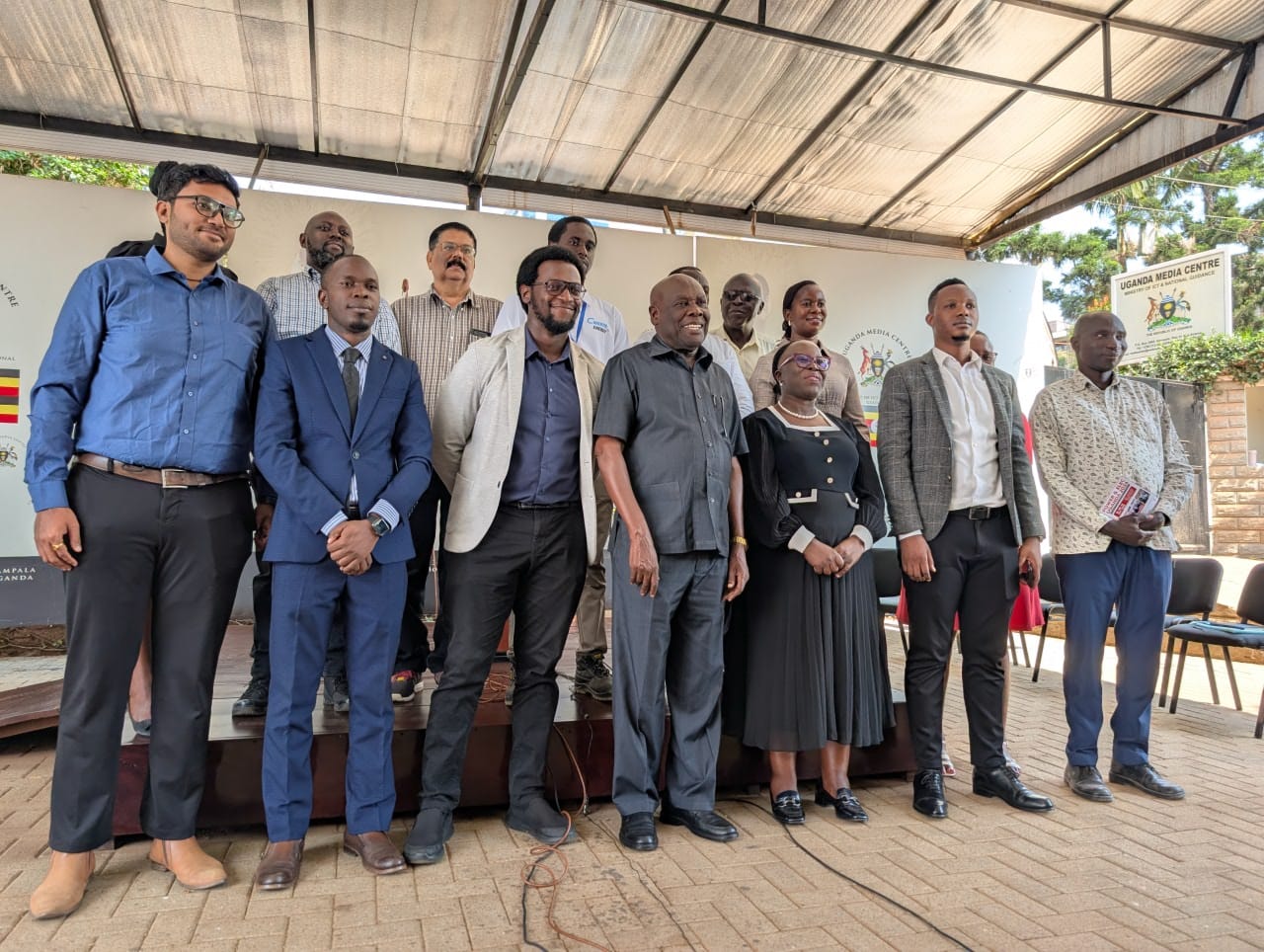
Uganda has made significant progress in expanding electricity generation, transmission and distribution over the past two decades, with the government now shifting its focus to ensuring the country's growing power supply translates into industrial growth and economic transformation.
State Minister for Energy Sidronius Okaasai Opolot said that while Uganda has invested heavily in electricity infrastructure, the next phase is to ensure energy is accessible, affordable and productively used to create jobs, support industries and improve livelihoods.
According to the minister, Uganda's installed electricity generation capacity has grown to 2,098 megawatts following the commissioning of the Karuma Hydroelectric Power Station and three hydropower plants in the West Nile sub-region.
He added that electricity access has risen to 62 percent, comprising 24.5 percent on-grid access and 38 percent off-grid access, with more than 2.75 million electricity connections established across the country.
"Government remains committed to achieving universal access to electricity by 2030 through continued expansion of the national grid and investment in decentralised clean energy solutions, particularly in underserved communities," Okaasai said.
The minister said the Ministry of Energy is also prioritizing renewable energy, energy efficiency, climate resilience and the adoption of emerging technologies such as artificial intelligence, smart grids, battery storage and digital metering to improve the reliability and efficiency of the electricity sector.
He, however, stressed that increasing power generation alone is not sufficient, noting that the country's priority is now to ensure electricity reaches industries and businesses to support value addition, stimulate investment and keep Uganda's energy supply ahead of future demand.
"Our focus is not only on generating more electricity but also on ensuring that it powers industries, creates jobs and drives Uganda's economic transformation," he said.
