
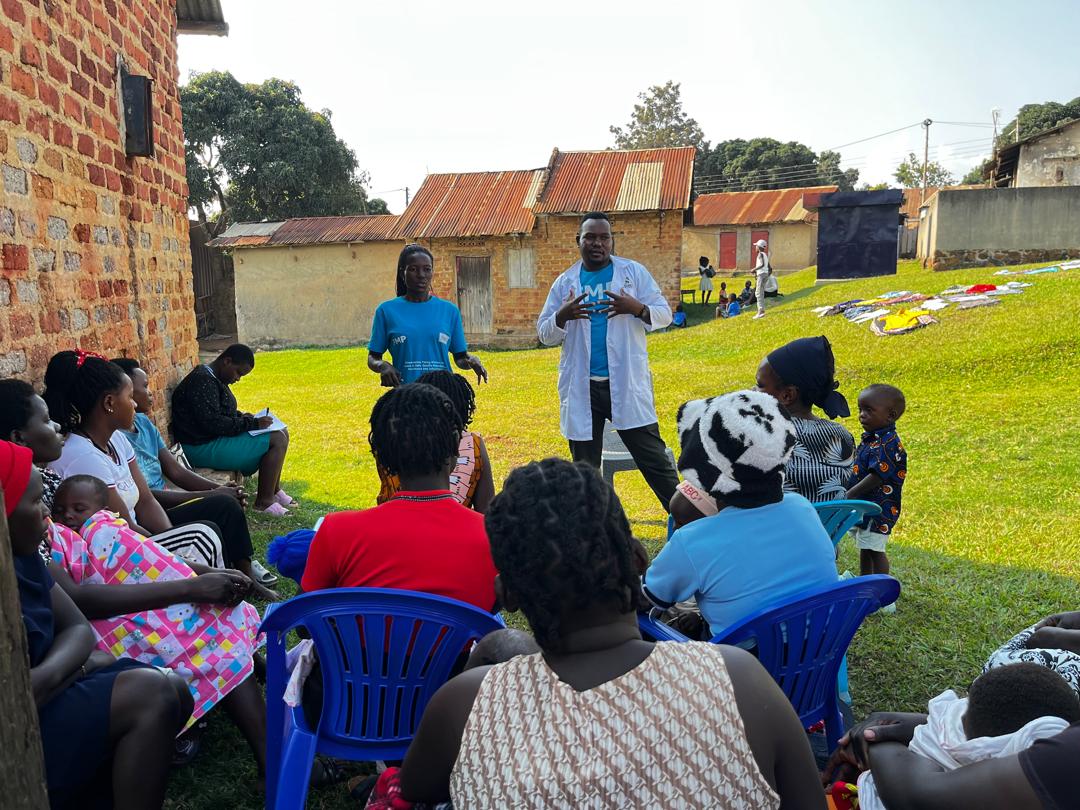
Women at Nakiwogo Landing Site have opened up about the difficult challenges pushing some of them into unsafe abortions, during a community musawo health outreach conducted by Family Medical Point.
The session created a safe space where women shared personal experiences around unintended pregnancies, limited access to accurate sexual and reproductive health information, and the pressures that often lead them to seek unsafe abortion methods.
Many participants admitted that their decisions on family planning were shaped by myths and misconceptions, with some relying on informal information networks rather than verified medical guidance.
“We end up making decisions based on what we hear from others, yet most of it is not correct,” one woman said during the discussion.
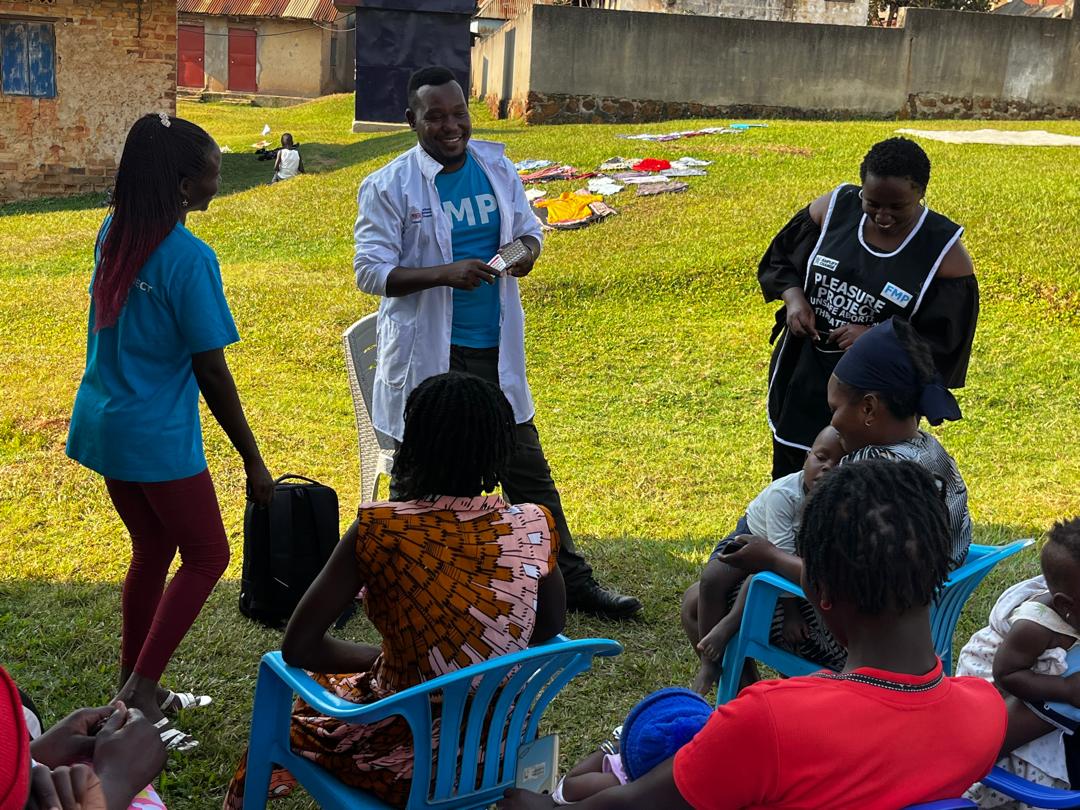
Health workers from Family Medical Point expressed concern that misinformation remains widespread in the community, particularly beliefs that discourage the use of contraceptives.
Health workers from Family Medical Point expressed concern that misinformation remains widespread in the community, particularly beliefs that discourage the use of contraceptives.
Dr. Enock Cedikol, in charge of Family Medical Point, dismissed such claims, saying the misinformation has no medical basis.
“Most of these fears, including claims that family planning causes cancer, are myths. They prevent women from accessing safe and effective services,” Dr. Cedikol said.
He noted that the continued spread of such misconceptions contributes significantly to unintended pregnancies, which in turn increases the risk of unsafe abortions.
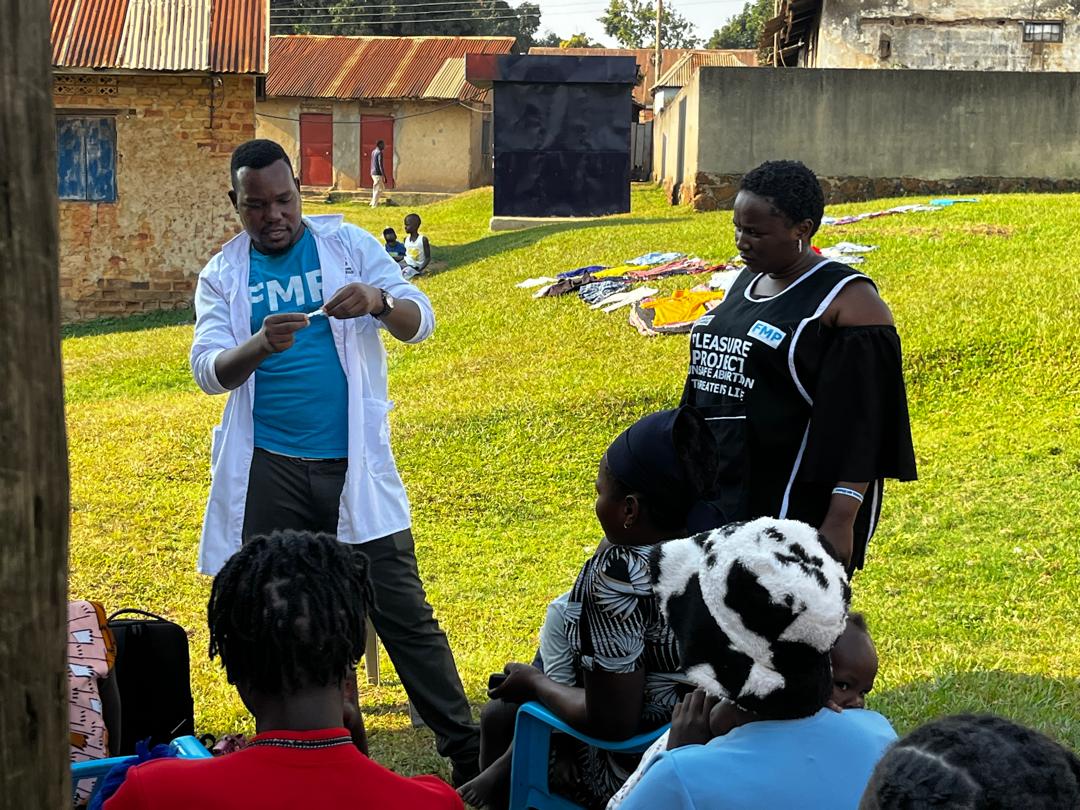
Women at the session also called for stronger education targeting adolescents, saying teenage girls are particularly vulnerable to early pregnancies and school dropouts.
“We need more effort to educate young girls so they can avoid these challenges early in life,” a participant said.
Nabwire Polyne, the Head of Programs at Family Medical Point, said the testimonies highlight a broader need for expanded reproductive health services and stigma-free care.
“What women are telling us shows that unsafe abortion is often driven by lack of information and limited access to safe services. This must change,” she said.
She also called for continued advocacy on reproductive health policies to ensure women can access safe services without stigma or fear.
Dr. Cedikol further urged medical training institutions to strengthen sexual and reproductive health education for students to improve service delivery.
“When future health workers are properly trained in SRH, communities will receive better, more respectful care,” he said.
Family Medical Point says such community sessions are helping to bridge information gaps, but warns that sustained education and system-wide interventions are needed to reduce unsafe abortions in vulnerable communities.
