

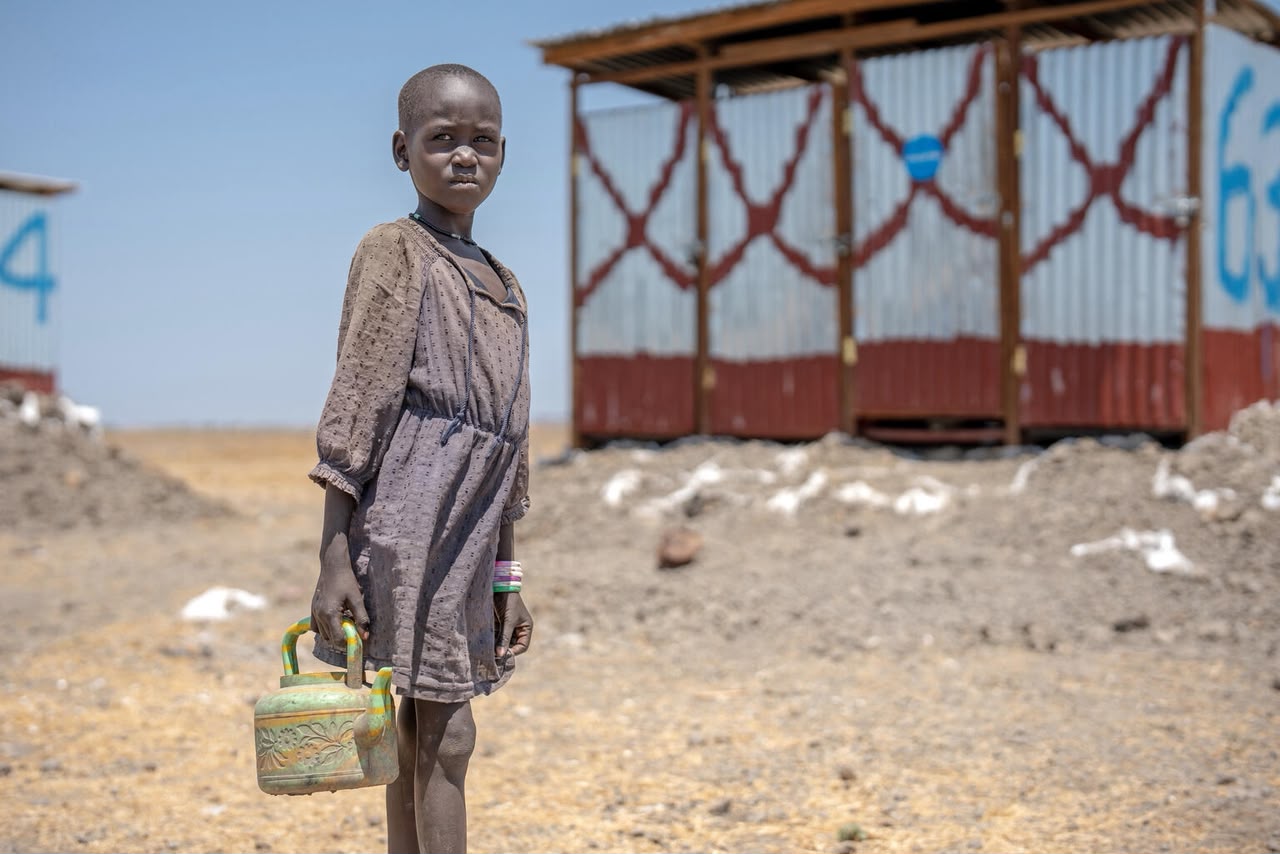
Africa’s displaced population is generating an estimated $27 billion (about Shs100 trillion) in annual income, according to a new report by the Amahoro Coalition, which challenges the long-held view that refugees and internally displaced persons are solely dependent on humanitarian aid.
The report, titled The Opportunity in Displacement: Africa’s Untapped Investment Frontier, argues that the continent’s 43.1 million displaced people represent a significant but underutilised economic segment with strong investment potential.
It finds that displaced populations are actively engaged in farming, small business, cross-border trade and informal services despite limited access to formal financial systems, credit and structured markets.
“Africa’s displaced communities are not waiting for rescue. They are running businesses, farming land and moving goods across borders, with almost none of the financial infrastructure available to everyone else,” said Tito Mbathi, Head of Partnerships at Amahoro Coalition.
Income breakdown and economic activity
The report estimates that internally displaced persons account for $22.1 billion (Shs81.8 trillion) of the total income generated, while refugees contribute about $5.6 billion (Shs20.7 trillion).
Researchers say displaced populations have a labour force participation rate of 56 percent and an entrepreneurship rate of 12 percent, operating an estimated 3.4 million micro, small and medium enterprises across Africa.
The study also identifies major untapped opportunities, including a potential $3.2 billion (Shs11.8 trillion) formal financial services market and a $2.4 billion (Shs8.9 trillion) agricultural expansion opportunity if displaced communities gain improved access to land and credit.
Uganda was cited as a leading example of refugee inclusion policies that promote self-reliance and economic participation.
The country hosts more than 1.7 million refugees, the largest refugee population in Africa, and has implemented policies allowing refugees access to land for cultivation in settlements.
According to the report, 91 percent of refugees in Uganda live in settlements where they are allocated land for farming, while more than 86,000 refugees received agricultural training in 2023.
It further notes that over $200 million (Shs740 billion) has been invested in refugee-hosting districts in Uganda since 2017, benefiting both refugees and host communities through improved services and local economic activity.
The Amahoro Coalition argues that the biggest barrier facing displaced populations is not productivity, but restricted access to land, credit and formal markets.
More than 88 percent of African countries, the report says, lack clear legal frameworks for land access by displaced people, limiting their ability to fully participate in local economies.
The coalition is now calling for increased private sector investment in displacement-affected communities, particularly in agriculture, entrepreneurship, supply chains and financial services, saying these sectors offer both commercial returns and measurable social impact.
It concludes that reframing displaced populations as economic actors rather than aid recipients could unlock significant growth opportunities across the continent.