
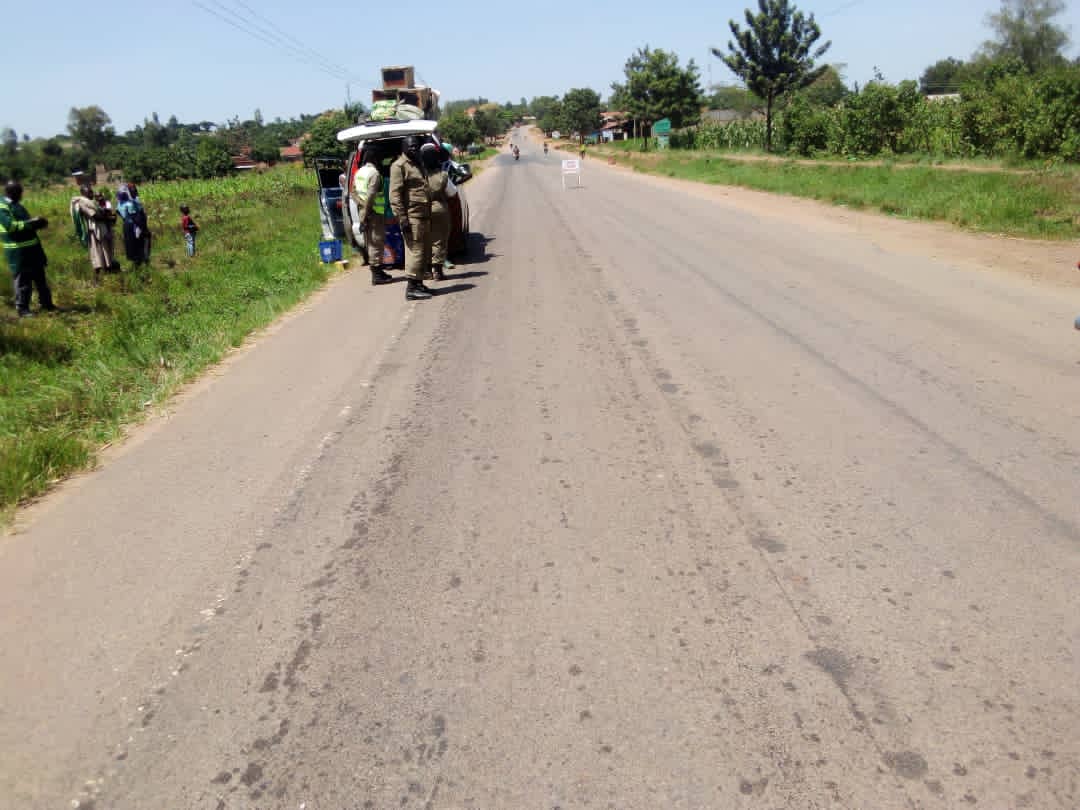
Security agencies in the West Nile region have intensified operations to enforce Ebola prevention measures and strengthen border surveillance following concerns over the ongoing Ebola outbreak in eastern Democratic Republic of Congo (DRC).
West Nile shares a border with Ituri Province in eastern DRC, where Ebola cases have been reported. Authorities fear the disease could spread into Uganda through the region’s numerous porous border crossing points if preventive measures are not strictly observed.
The heightened response follows two joint security taskforce meetings convened by West Nile Regional Police Commander SSP Latif Zake at the Arua Regional Police Headquarters on June 5 and June 11, 2026.
According to resolutions from the meetings, security agencies will jointly enforce Ebola Standard Operating Procedures (SOPs), conduct community sensitization campaigns, establish checkpoints to identify illegal entrants from the DRC, and strengthen surveillance along the Uganda–DRC border.
West Nile Regional Police Spokesperson SSP Josephine Angucia said security agencies are working closely with health authorities and local leaders to prevent the disease from entering communities.
“We are not taking any chances. Joint security teams have been deployed to strengthen surveillance, enforce Ebola SOPs, and monitor movements along the border. We urge all residents to cooperate with authorities and immediately report suspected cases,” SSP Angucia said.
She noted that West Nile has more than 150 border crossing points, many of them ungazetted, making the region highly vulnerable to illegal entry.
“The border remains highly porous. Hotels, lodges, taxis, buses and boda bodas can easily become points of contact if proper screening is not conducted. We are calling upon facility owners and transport operators to remain vigilant and report suspicious arrivals to the relevant authorities,” she added.
Authorities have suspended border market activities and introduced security checkpoints along major routes in Koboko, Maracha, Arua City, Arua District, Madi-Okollo, Nebbi, Zombo and Pakwach. The checkpoints are intended to monitor and control illegal movement from Ebola-affected areas.
Police reported that on June 12, several Congolese nationals who had entered Uganda illegally were intercepted and deported through official border posts. Similar operations have also been conducted in Pakwach, Nebbi and other districts in the region.
SSP Angucia emphasized that Ebola remains a serious public health threat but can be contained through strict adherence to preventive measures.
“Ebola is highly contagious but preventable. We encourage the public to maintain hand hygiene, use sanitizers, comply with health screening requirements and avoid activities that violate the established SOPs. Community vigilance is critical in protecting lives,” she said.
She further warned that individuals who deliberately violate Ebola control measures risk arrest and prosecution under the Public Health Act.
Health authorities have designated Oli Health Centre IV in Arua City as the official Ebola isolation facility and advised residents to avoid isolating suspected patients at home.
Security and health officials continue to urge border communities to report illegal entries, suspected Ebola cases and contacts through district emergency response lines as efforts to safeguard the region intensify.
