
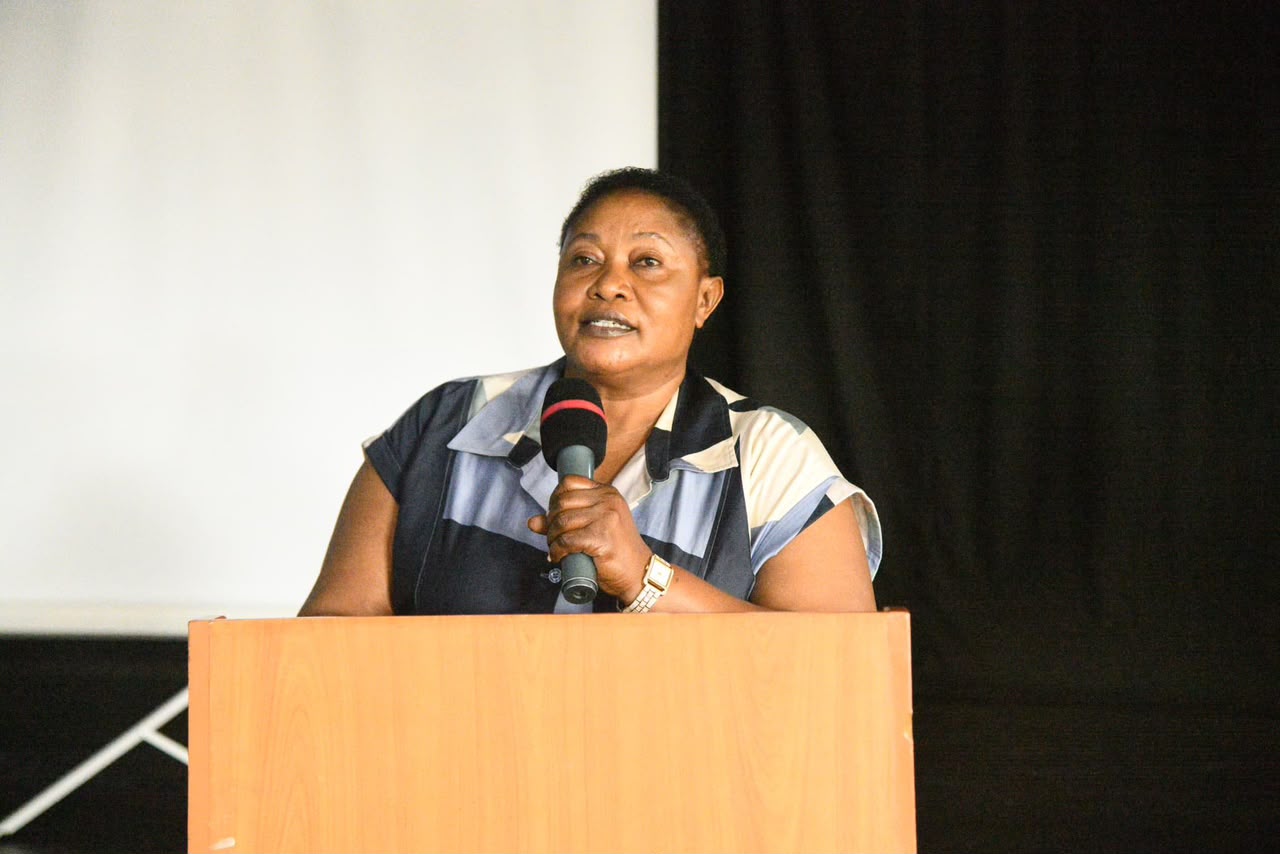
The Minister for the Presidency, Milly Babirye Babalanda, has urged Resident District Commissioners (RDCs), Resident City Commissioners (RCCs), Regional Internal Security Officers (RISOs), District Internal Security Officers (DISOs), and Assistant RDCs/RCCs to shift their focus towards service delivery, wealth creation, and effective implementation of government programmes.
Speaking while delivering closing remarks at a three-day capacity-building workshop for Commissioners from the Office of the President, which included RDCs/RCCs, RISOs, DISOs, and Assistant RDCs/RCCs from the Buganda sub-region at Collins Hotel Mukono on Friday, Babalanda thanked them for their contribution to the recently concluded General Elections.
She praised the officers for their commitment, mobilisation, vigilance, and coordination during that period.
“This significantly contributed to the improved performance of the National Resistance Movement in Buganda and to the victory of H.E. President Yoweri Kaguta Museveni,” she said.
With the election period concluded, Babalanda urged the officers to remain focused on their duties and avoid being distracted by speculation regarding appointments and transfers.
“Politics has come to an end. The focus now must be on service delivery, wealth creation, and effective implementation of government programmes. Ignore speculation about appointments and avoid distractions from rumours. Appointment matters rest with the appointing authority, while your responsibility is to remain focused on your current assignments,” she said.
Babalanda emphasized that hard work, discipline, and measurable performance remain the foundation for future opportunities in public service.
“The surest path to future opportunities is hard work, discipline, and measurable performance. Continue serving diligently until directed otherwise,” she added.
Babalanda said President Museveni expects RDCs and other field officers to maintain a strong presence within communities and remain accessible and responsive to citizens.
“H.E. the President expects RDCs and field officers to be visible in communities, accessible to citizens, and responsive to emerging challenges. You must monitor government programmes closely, coordinate security effectively, fight corruption without fear or favour, provide accurate field information, and ensure government interventions produce real results for ordinary Ugandans,” she said.
Babalanda noted that these responsibilities are increasingly important as Uganda implements the Fourth National Development Plan (NDP-IV), the NRM Manifesto, Uganda Vision 2040, and the Government’s Ten-Fold Growth Strategy.
She said the frameworks are designed to transform Uganda into a modern and prosperous economy through industrialisation, value addition, increased exports, job creation, wealth creation, and improved household incomes.
“Strong leadership and effective supervision at the local level are essential, making the RDC institution indispensable in achieving these national objectives,” she said.
Babalanda stressed that government is now focused on measurable results rather than promises, saying citizens expect visible improvements in their livelihoods following their renewed trust in President Museveni and the NRM.
“Government is moving from promises to delivery, from activities to outcomes, and from plans to measurable results. Wananchi have renewed trust in H.E. the President and the NRM and now expect tangible improvements in livelihoods, household incomes, public services, and economic opportunities,” she said.
Quoting 2 Thessalonians 3:10, Babalanda reminded the officers of the importance of hard work and accountability.
“For even when we were with you, we gave you this rule: ‘The one who is unwilling to work shall not eat,’” she quoted.
Babalanda further described the President’s message of a “Kisanja of No More Sleep” as a directive requiring greater vigilance and commitment from government officials.
“This is not a slogan but a policy directive. It demands greater vigilance in monitoring projects, quicker response to citizen concerns, stronger action against corruption, and more effective coordination of service delivery,” she said.
Babalanda also urged RISOs, RDCs, RCCs, DISOs, and their assistants to avoid absenteeism and maintain respect for their supervisors, seniors, and the appointing authority.
She emphasized the need for transparent and effective implementation of government wealth-creation programmes, including the Parish Development Model (PDM), Emyooga, Operation Wealth Creation, and other interventions.
“Success is not measured by money disbursed, but by households moved out of poverty, youth engaged in productive enterprises, and communities joining the money economy,” she said.
Addressing the Buganda sub-region specifically, Babalanda noted that government investments in infrastructure, industrialisation, and urban development have raised public expectations.
She said the region possesses enormous potential in commercial agriculture, agro-processing, manufacturing, tourism, and trade, and called on field officers to ensure that citizens fully benefit from these opportunities.
“You must ensure that citizens seize these opportunities and that no programme is undermined by corruption, complacency, or poor supervision,” she said.
Babalanda further challenged RDCs and DISOs to remain proactive and results-oriented in executing their responsibilities.
“Every RDC and DISO must be visible, proactive, and results-oriented. They should know what is happening in their districts, engage regularly with wananchi, provide timely information to government, and ensure every intervention supports peace, stability, and socio-economic transformation,” she said.
Drawing from Proverbs 13:24, Babalanda underscored the importance of discipline and accountability in leadership and public service.
“Whoever spares the rod hates their son, but the one who loves their children is careful to discipline them,” she quoted.
Babalanda urged all officers to remain committed to their responsibilities and support the government’s mission of transforming communities through effective supervision, transparency, and results-driven leadership.
