

The Intelligent Transport Monitoring System (ITMS) has launched the “Safe Kids, Safe Future” report amid growing concern over rising road crash deaths involving school-going children ahead of the reopening of second term on May 25, 2026.
The report was unveiled during the closure of Phase One of the project at Hotel Africana and highlighted major gaps in road safety awareness and infrastructure affecting learners across the country.
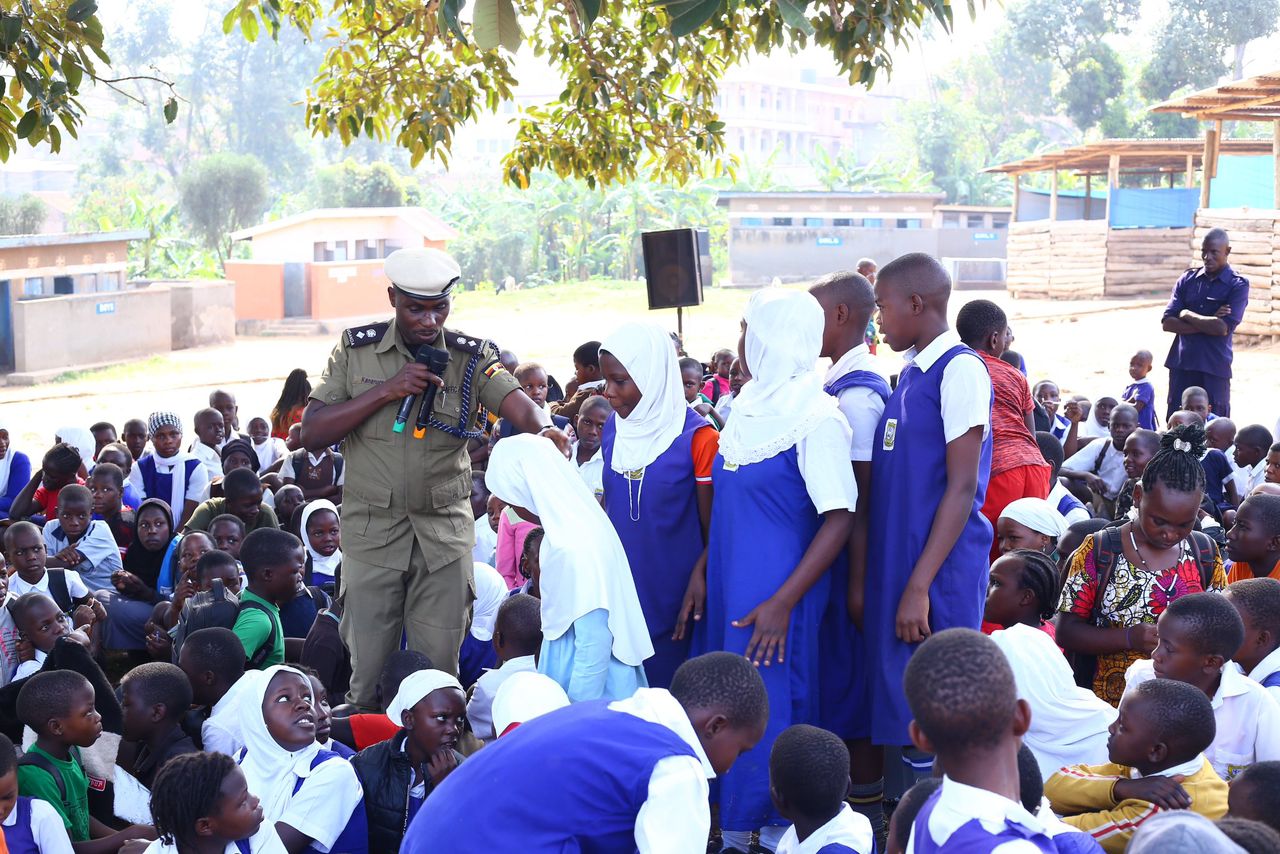
Implemented between November 2025 and April 2026 in partnership with Kampala Capital City Authority and the Ministry of Works and Transport, the campaign reached about 9,700 pupils in 12 primary schools across Kampala, Mbale, Fort Portal, and Mbarara through road safety education sessions.
According to the 2025 Annual Traffic and Road Safety Report, at least two school-going children die daily in road crashes in Uganda.
Presenting the findings, Owen Muhumuza, Stakeholder Engagement Officer at ITMS, said the campaign aimed to equip children with practical road safety knowledge and promote responsible road-use behaviour.
More than 4,000 road safety materials, including helmets and reflector jackets, were distributed to pupils. Practical road-crossing demonstrations were also conducted at schools such as Buganda Road Primary School and Kibuye Primary School.
The report further highlighted persistent challenges, including inadequate pedestrian infrastructure, limited road signage near schools, traffic congestion at school gates, and insufficient road safety education.
Inspections conducted during the campaign exposed unsafe crossing habits among pupils, poor road conditions around schools, and limited parental involvement in reinforcing safety messages.
“Intensified sensitization improved pupils’ understanding of traffic signs, led to positive behavioural change, and resulted in the formation of road safety clubs in schools,” Muhumuza said.
Michael Kamoga, a Road Safety Officer at the Ministry of Works and Transport, said government is in the final stages of enacting regulations on school zone areas to protect children from reckless motorists.
“The proposed regulations are expected to strengthen enforcement around learning institutions, especially during opening and closing hours,” Kamoga said.
School administrators at the event pledged to prioritise road safety in school budgets, including employing traffic wardens to assist pupils crossing roads during peak hours.
Traffic Police spokesperson Michael Kananura said Uganda loses an average of 15 people daily in road crashes, including two school-going children.
“Children are among the most vulnerable road users,” Kananura said, adding that reckless driving and disregard for traffic regulations continue to endanger lives.
“95 percent of crashes are caused by human behaviour and can be prevented if road users respect traffic laws,” he added.
Stakeholders at the event called for the expansion of the Safe Kids, Safe Future campaign to more schools, stressing that sustained education and stronger enforcement are critical to reducing preventable deaths among children.