
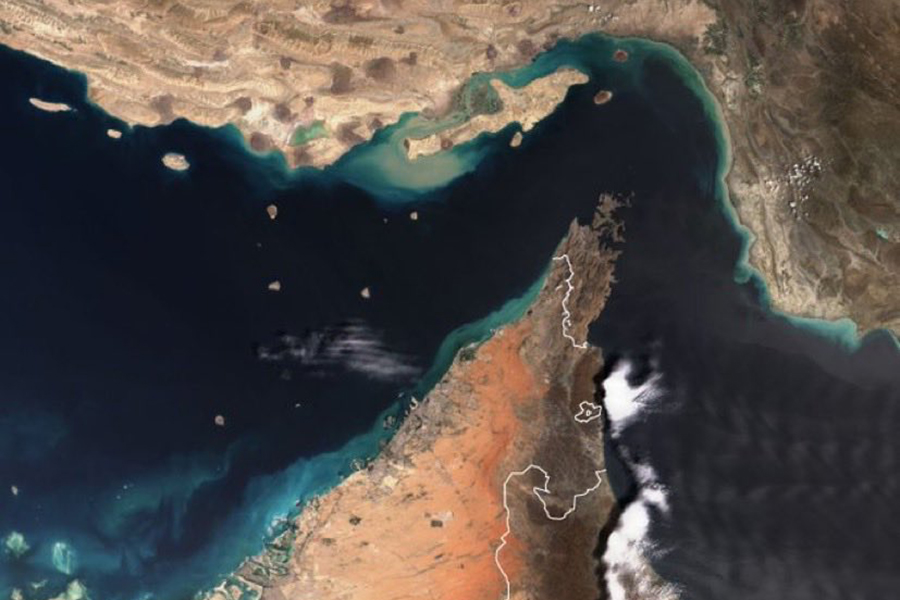
Senior United States officials are reviewing a proposal from Iran aimed at ending the ongoing conflict and reopening the strategic Strait of Hormuz, the White House has confirmed.
White House spokesperson Karoline Leavitt said President Donald Trump had convened his national security team to discuss the proposal, which includes reopening the vital maritime corridor in exchange for delaying negotiations on Iran’s nuclear programme.
“I can confirm the president has met with his national security team this morning… The proposal was being discussed,” Leavitt told reporters, adding that Washington’s position on Iran’s nuclear ambitions remains unchanged.
The development comes as tensions persist following a conflict that began on February 28, disrupting global energy flows.
Shipping through the Strait of Hormuz—one of the world’s most important oil transit routes—has been severely affected, contributing to rising global prices.
US Secretary of State Marco Rubio said Iran appears willing to negotiate but stressed that any agreement must ensure Tehran cannot develop nuclear weapons.
“I think they are serious about getting themselves out of the mess that they’re in,” Rubio said, citing economic pressures facing Iran, including inflation, sanctions, and fiscal strain.
However, he reiterated Washington’s firm stance on nuclear restrictions. “We have to ensure that any deal that is made… definitively prevents them from sprinting towards a nuclear weapon at any point,” he said.
Rubio also rejected any arrangement that would allow Iran to control access to the Strait of Hormuz, warning against attempts to impose transit fees or restrict passage.
“Those are international waterways. They cannot normalise… a system in which the Iranians decide who gets to use an international waterway,” he said.
Iran’s proposal reportedly seeks to separate the reopening of the strait from negotiations over its nuclear programme, a move analysts say could complicate diplomacy.
Dania Thafer, head of the Gulf International Forum, described the approach as an attempt to “decouple” the two issues.
“The nuclear issue is Washington’s red line… and I don’t think the US will likely agree to that,” she said.
The proposal follows earlier talks between the two sides in Islamabad on April 11, which failed to produce a breakthrough despite a ceasefire brokered by Pakistan.
At the United Nations, French Foreign Minister Jean-Noel Barrot said lasting peace would require significant concessions from Iran.
“There can be no lasting solution to this crisis unless the Iranian regime agrees to major concessions and a radical shift in its stance,” he told the Security Council.
While discussions continue, the core disagreement remains unresolved, with the United States insisting that any path to peace must address Iran’s nuclear programme, while Tehran appears to prioritise immediate economic and strategic relief through reopening the strait.
