
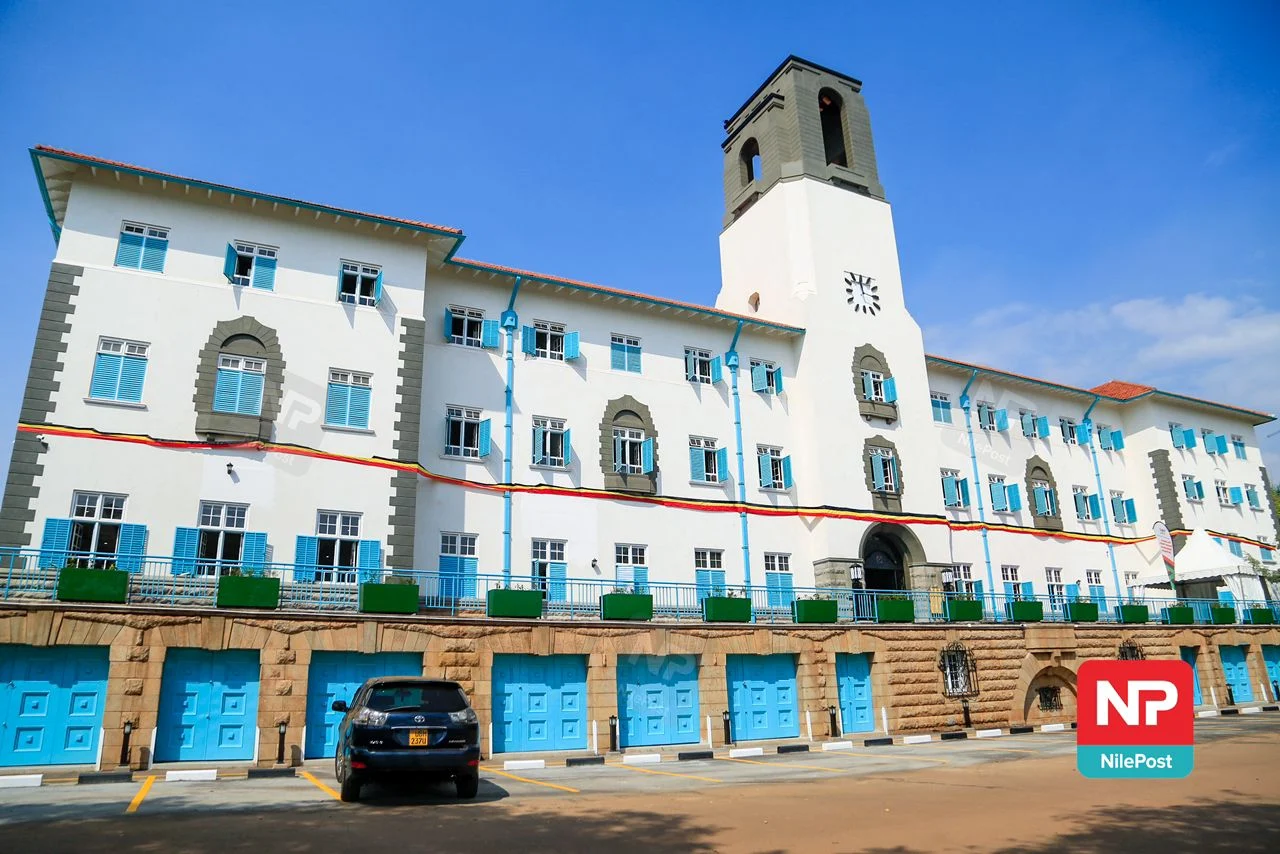
Makerere University academic staff have urged Parliament to abandon the Protection of Sovereignty Bill, 2026, warning that its provisions could make core academic activities illegal and severely damage Uganda’s higher education and research systems if enacted in its current form.
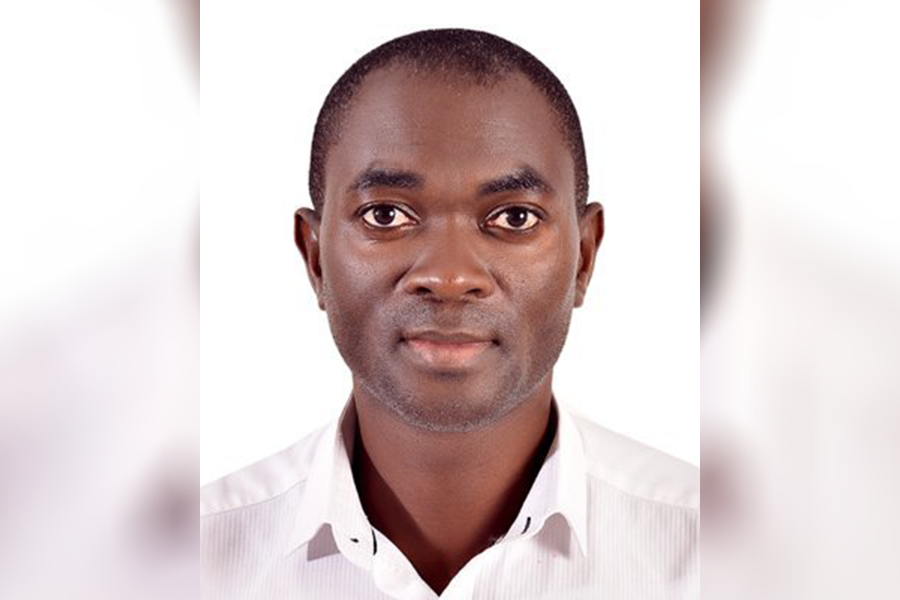
Leading the opposition, Makerere University Academic Staff Association (MUASA) chairperson Dr Jude Ssempebwa said the Bill would effectively criminalise core academic activities and stifle intellectual work within universities.
“We contend that all these possible outcomes are not only unconstitutional. They would also make the work of academic staff and universities criminal and, consequently, impossible,” Dr Ssempebwa wrote in a formal memorandum submitted to Parliament.
He further urged lawmakers to drop the Bill entirely or, in the alternative, explicitly exempt university staff and students from its scope.
“We urge Parliament to abandon the Bill in its entirety. In the alternative, we urge Parliament to explicitly exempt University staff and students from the scope of the Bill’s application. We build for the future,” he added.
The memorandum, submitted to the joint parliamentary committees on Defence and Internal Affairs and Legal and Parliamentary Affairs, reflects growing concern within Uganda’s academic community over what they describe as sweeping and vaguely defined powers embedded in the proposed legislation.
The Protection of Sovereignty Bill, 2026, has attracted widespread debate across civil society, legal circles and the education sector due to its broad definitions of “foreigners,” “agents of foreigners,” and “disruptive activities,” as well as its heavy penalties, which include fines running into billions of shillings and prison terms of up to 20 years.
MUASA warned that the Bill’s definition of a “foreigner” could potentially capture Ugandan academics studying or conducting research abroad, as well as institutions and individuals deemed by the Minister of Internal Affairs to fall under that category.
According to the staff association, this would create a chilling effect on international academic mobility. One academic staff member noted in the memorandum that “by the very nature of their work, academic staff and their students often travel abroad for academic-related work,” adding that the Bill would “discourage them from travelling abroad, which would stifle their productivity.”
The Bill also introduces the concept of “agents of foreigners,” defined so broadly that MUASA argues it would capture virtually all international academic collaboration.
Staff warned that this would include researchers involved in multinational projects, visiting professors, external examiners, guest editors and academic supervisors.
“The designation, the cumbersome registration processes and stigma associated with being labelled an ‘agent of a foreigner’ would kill collaborative projects in which academic staff and students participate,” one lecturer stated in the memorandum, cautioning that Uganda’s universities risk isolation from global research networks.
The association also raised concern over provisions criminalising so-called “disruptive activities,” which they argue are vaguely defined and could include legitimate academic expression such as public lectures, policy critique, peaceful assemblies, and labour-related action.
One staff submission noted that “academic work includes critique of government policies, participation in lawful assemblies and demonstrations and other ways of civic engagement,” warning that the Bill risks turning constitutionally protected freedoms into criminal offences.
MUASA further criticised clauses that restrict participation in policy development and implementation, arguing that they would exclude academics from national development processes.
“Developing draft policies and contributing expert analysis is part of the academic role,” one senior lecturer said, adding that “this Bill would reduce universities to passive observers of national policy rather than contributors to it.”
The memorandum also highlights concern over provisions on foreign funding caps, which would limit external research funding to 400 million shillings annually without ministerial approval. According to the staff association, this would have devastating consequences for research-intensive institutions like Makerere University, which rely heavily on international grants.
“Collaborative multinational research efforts are usually in sums beyond 400 million shillings. Capping this money for a university would be the end of research as we know it,” another academic warned, noting that many major scientific and development projects depend on foreign partnerships.
Staff also criticised clauses that subject research funding to extensive state control and delay, including mandatory registration, ministerial approvals, and banking restrictions.
One researcher said the proposed financial controls would “freeze research funds in bureaucratic processes, making time-bound academic work impossible,” particularly for projects tied to international deadlines and publications.
Beyond funding concerns, MUASA raised alarm over provisions granting the Minister wide discretionary powers to designate individuals as foreigners, define offences, and regulate academic and research activity without parliamentary oversight.
“These are excessive powers that effectively amount to amending the law by ministerial directive,” the memorandum states, warning that such authority could be abused and undermine the rule of law.
The association also argued that clauses restricting access to foreign funding and subjecting research institutions to inspection risks violating privacy and research ethics protections guaranteed under Ugandan law and international academic standards.
“Allowing unrestricted inspection of research records would violate confidentiality obligations towards research participants and undermine trust in academic institutions,” one staff member observed.
The Protection of Sovereignty Bill, 2026, has been defended by some proponents as a measure aimed at safeguarding national sovereignty and preventing undue foreign influence in domestic affairs. However, critics across academia and civil society argue that its scope is overly broad and risks stifling legitimate civic, economic and intellectual activity.
Within Uganda’s higher education sector, the concern is particularly acute given the already limited domestic funding for research and heavy reliance on international partnerships for postgraduate training, scientific innovation and policy development.
In their concluding remarks, MUASA reiterated that existing legal frameworks, including the Universities and Other Tertiary Institutions Act, 2001, and the Uganda National Council for Science and Technology Act, already regulate academic institutions and research activities.
“The Bill is redundant, unconstitutional and retrogressive,” the memorandum states, warning that if passed, it would “render academic work effectively criminalised and impossible to carry out.”
As parliamentary committees continue consultations on the Bill, the rejection from Makerere University’s academic staff adds to mounting pressure on lawmakers to reconsider or substantially revise the proposed legislation before it proceeds further.
