
The Parliamentary Budget Committee has begun scrutinising the health sector’s budget estimates for the 2026/27 financial year, in a session marked by heated exchanges over what lawmakers described as the “selective” distribution of national resources.
Appearing before the committee to defend the sector’s request, which totals Shs5.155 trillion, Health Committee Chairperson Dr Joseph Ruyonga outlined planned investments in infrastructure and service delivery.
However, his presentation immediately drew criticism from MPs who questioned the fairness of resource allocation across regions.
Several legislators accused the ministry of bias in the upgrading and construction of health facilities, arguing that some areas continue to benefit disproportionately while others remain underserved.
MP Herbert Ariko raised concerns over possible conflict of interest in the selection of hospitals for upgrades, questioning the rationale behind what he termed selective interventions that disadvantage some regions.
MP Geoffrey Ekanya also criticised disparities in access to health infrastructure, pointing out that large districts such as Tororo, which serve populations comparable to multiple districts, were being overlooked in funding allocations.
The distribution of emergency medical services also came under scrutiny, particularly the proposed Shs20 billion for new ambulances and Shs10 billion for their operation.
MPs demanded a clear deployment framework to ensure equitable distribution across all districts.
Lawmakers warned that without a transparent allocation formula, some regions risk receiving multiple ambulances while others remain without emergency transport services.
Despite the tensions, the budget outlines several major capital investments aimed at improving healthcare infrastructure.
These include Shs58 billion for the rehabilitation of Masindi General Hospital, Shs26 billion for Hoima Regional Referral Hospital, and Shs6.5 billion for Buseruka Health Centre IV in preparation for upcoming regional developments.
A further Shs100 billion has been earmarked to operationalise the Lubowa International Specialised Hospital, with officials targeting completion and handover by December 2026.
In specialised care, Shs8.598 billion has been allocated for organ transplant services, while Shs7.4 billion will support the establishment of an Organ Donation and Transplant Council.
Additionally, Shs10.8 billion is proposed for diagnostic equipment such as X-rays and CT scanners, and Shs2.1 billion for ultrasound machines across 84 Health Centre IVs.
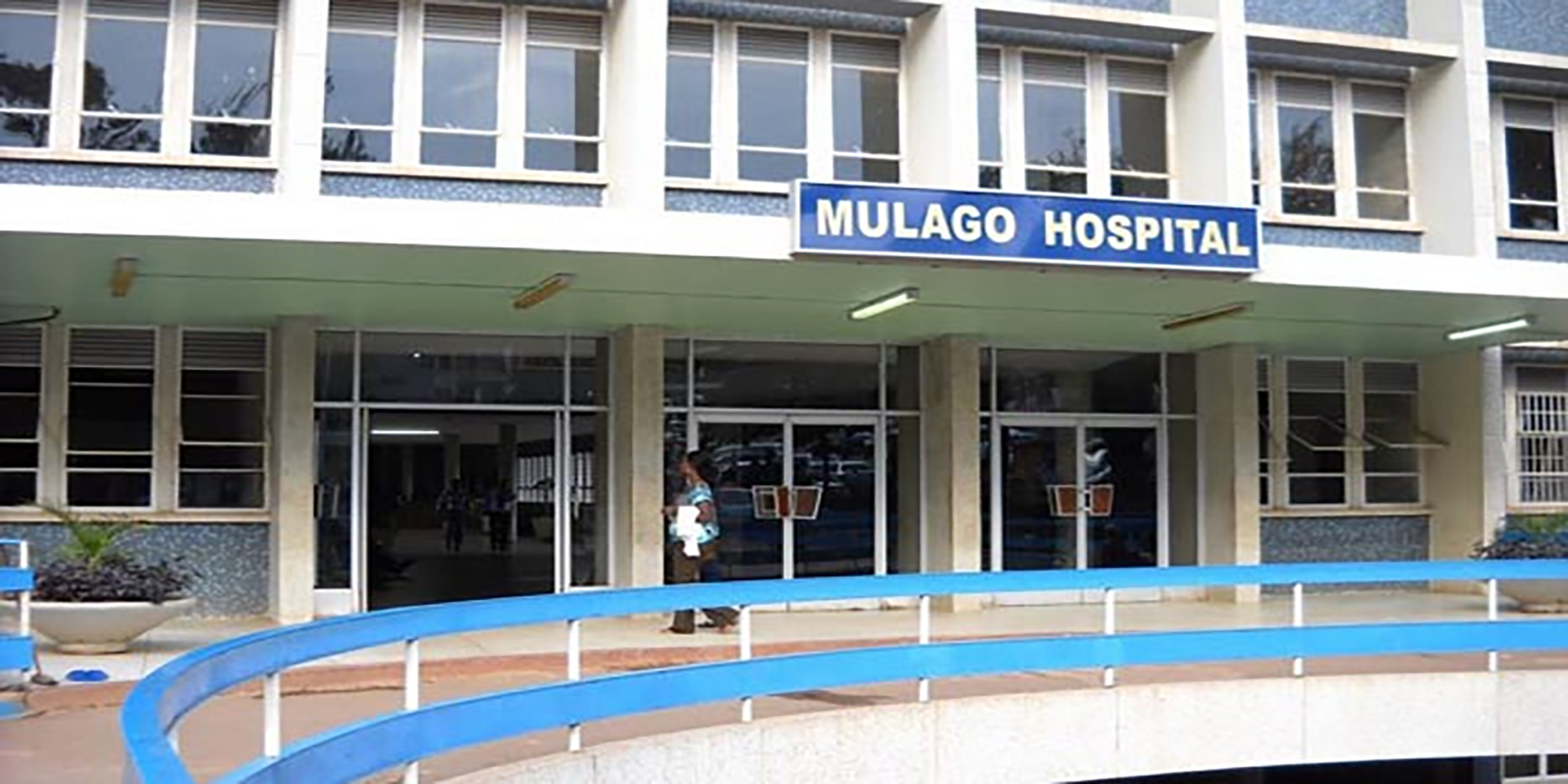
However, MPs expressed concern that these investments come amid mounting pressure on existing facilities, particularly Mulago National Referral Hospital, which continues to grapple with a rising cancer burden.
The committee was informed that regional cancer centres are facing a Shs9 billion funding gap, worsened by staffing shortages and increased demand from refugees and foreign patients.
The Budget Committee Chairperson cautioned against approving questionable expenditures, warning against payments for “air” and calling for a comprehensive audit of outstanding domestic arrears in the sector.
He emphasised that the committee would require detailed justification for all allocations before the health budget proceeds to the next stage of approval.
