
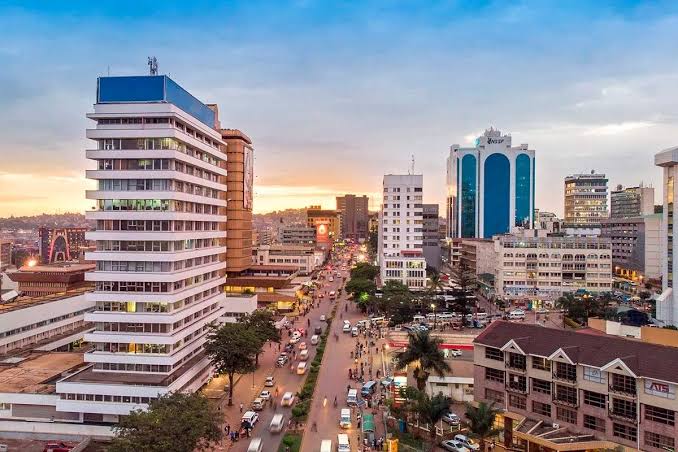
Uganda is turning to its cities as engines of economic transformation, following the approval of a $540 million urban development programme by the World Bank.
The Uganda Cities and Municipalities Infrastructure Development (UCMID) Programme, spearheaded by the Ministry of Lands, Housing and Urban Development, is expected to reshape urban growth and reduce pressure on Kampala.
With urbanisation currently at 27 percent and growing at 5.2 percent annually, Uganda is projected to add over 8 million people to its urban population by 2030. Yet, these urban centres already generate nearly 70 percent of the country’s GDP.
Minister Judith Nabakooba says the new programme will position regional cities and municipalities as hubs for job creation, trade, and industrial growth, ultimately easing congestion in the capital.
“Through this programme, we expect to decongest Kampala by creating opportunities in the new cities,” she noted.
The initiative aligns with Uganda’s Fourth National Development Plan (NDP IV), which targets the creation of 2.5 million jobs and increased household incomes. Urban areas are expected to play a central role in achieving these goals.
The UCMID programme will channel investments into economic corridors to improve connectivity to regional markets, reduce transport and logistics costs, and support small and medium enterprises.
It will also prioritise climate resilience through investments in drainage systems, flood control, and green infrastructure—critical interventions as cities face growing environmental pressures.
Additionally, the programme is expected to formalise and support informal businesses, vendors, and traders, creating a more inclusive urban economy.
Refugee-hosting districts such as Yumbe, Adjumani, and Kiryandongo will also benefit, ensuring that displaced populations are integrated into economic opportunities.
Beyond infrastructure, the programme seeks to institutionalise reforms that strengthen governance, improve revenue collection, and build the capacity of urban authorities to manage rapid growth.
Government officials say this marks a significant step toward achieving Uganda Vision 2040, positioning cities at the centre of long-term economic expansion and job creation.
