
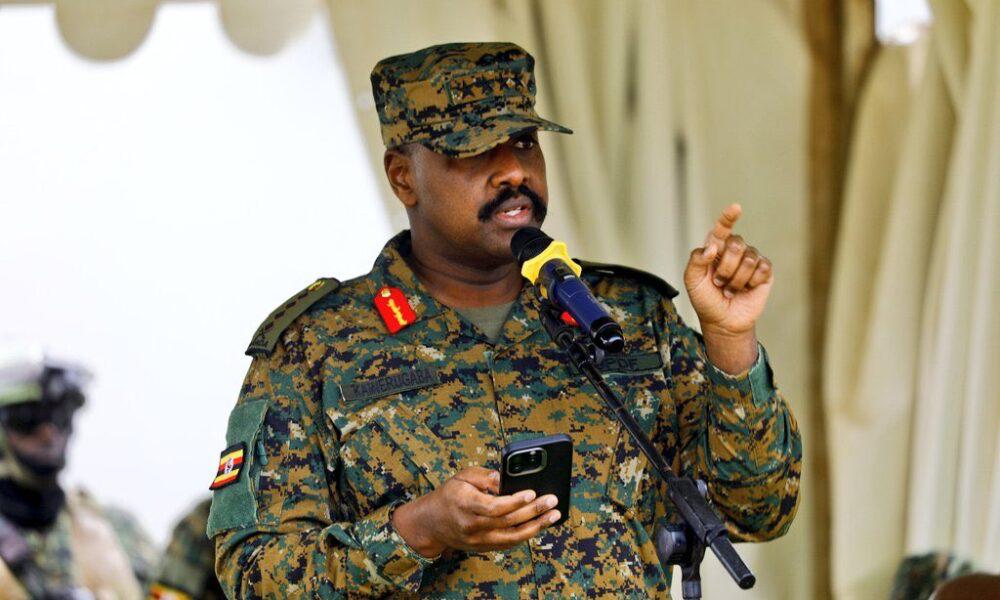
The Chief of Defence Forces, Muhoozi Kainerugaba, has suggested that “fake pastors” and unregulated churches could face arrest if the Patriotic League of Uganda (PLU) takes power, and proposed that church leaders should be required to have formal theological education.
In a post on his X platform account early Thursday morning, Muhoozi said a future PLU government would take sweeping action against religious leaders he described as fake.
“You can be sure of one thing: the day PLU takes over government we will arrest ALL the fake pastors and churches all over the country!” he wrote.
He added that such pastors would face criminal charges, suggesting the offence of “insulting God,” and said PLU’s position is that anyone leading a church should at least hold a degree in theology.
Muhoozi’s proposal mirrors similar regulatory reforms previously introduced in Rwanda, where the government moved to regulate churches and religious leaders.
In 2018, Rwanda introduced reforms requiring pastors to hold at least an undergraduate degree in theology.
Churches were also required to meet operational standards such as minimum membership thresholds and infrastructure requirements.
Enforcement intensified in 2024 when authorities inspected more than 13,000 places of worship and closed thousands of churches that failed to meet legal and operational requirements.
Many of the closures were linked to non-compliance with registration, infrastructure, and training requirements for religious leaders.
In 2025, Rwanda introduced additional controls, including financial compliance requirements, stricter approval processes for church operations, and tighter regulations on public religious gatherings and foreign preachers.
Paul Kagame has previously defended the crackdown, arguing that the measures were intended to professionalise religious leadership, prevent exploitation, and regulate informal ministries that had expanded rapidly across the country.
The comments by Muhoozi are likely to spark debate in Uganda, where religious institutions play a major role in education, health services, and community life, and where previous attempts to regulate churches have often generated public discussion over religious freedom and state control.
