
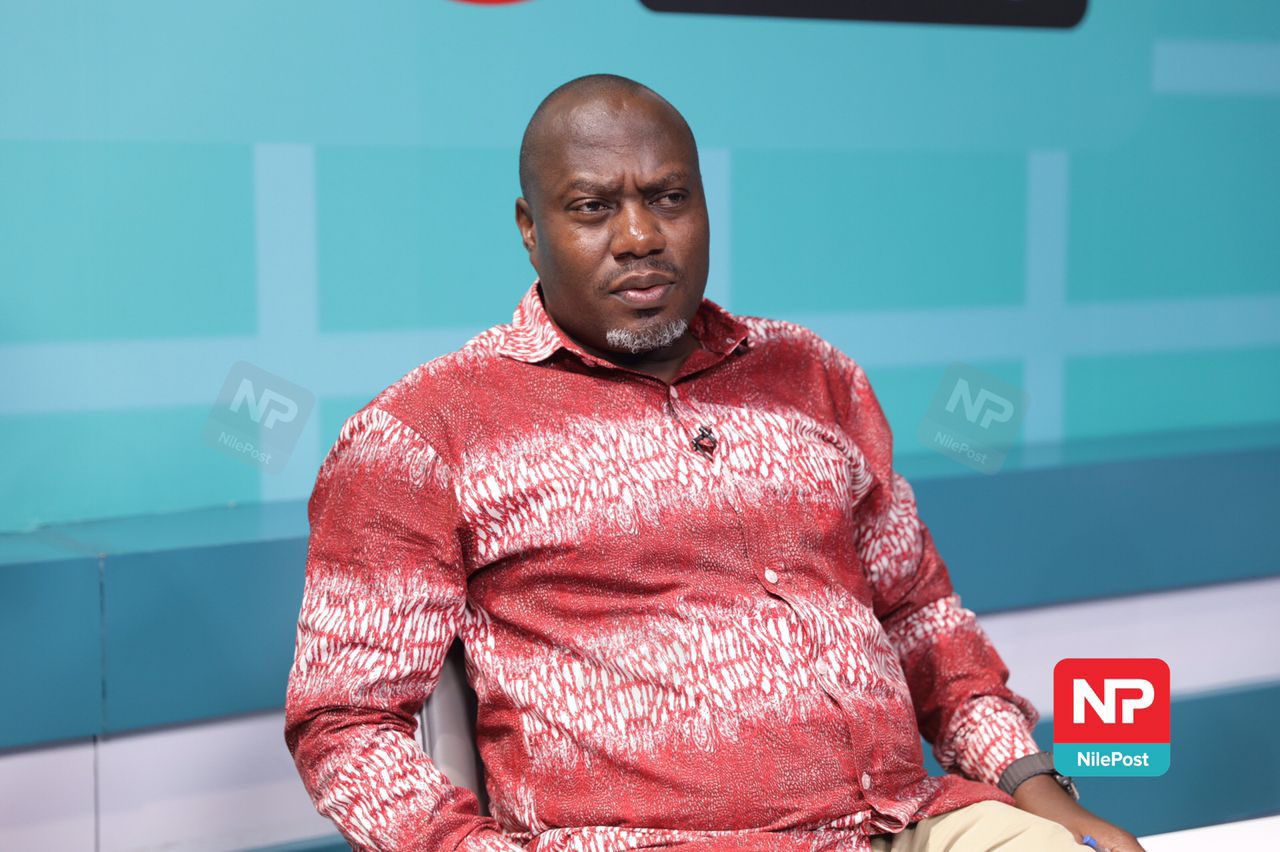
Rubaga North Member of Parliament Abubakar Kawalya has sharply criticized the government and the Electoral Commission (EC) over what he described as poor preparation and costly failures surrounding the use of Biometric Voter Verification Kits (BVVKs) during the recently concluded general elections.
Speaking during NBS Barometer on Tuesday, Kawalya said the government rolled out the biometric system without adequate readiness, noting that even Electoral Commission technical staff appeared overwhelmed on polling day.
“The government was unprepared for the use of the BVVK machines. They were costly, and even the Electoral Commission technical staff were stuck on polling day,” he said.
The presidential and parliamentary elections, held nationwide on Thursday, 15 January 2026, were characterized by widespread technical breakdowns of the BVVKs in several parts of the country. At many polling stations, the machines reportedly failed to power on or function as intended, forcing election officials to abandon biometric verification.
In response, the Electoral Commission issued directives to all returning officers to immediately revert to the manual voters’ register wherever BVVKs failed, citing existing electoral guidelines.
While the EC maintained that this decision prevented voter disenfranchisement and ensured continuity of the voting process, critics—including opposition leaders—argued that reliance on manual systems undermined the transparency and integrity that biometric verification was meant to guarantee.
The ruling National Resistance Movement (NRM) had previously championed biometric voter verification as a safeguard against electoral fraud, particularly in urban opposition strongholds where past election results had raised questions about the ruling party’s level of popular support.
