
The roads are already filling up with vehicles. Some have been in the garage or compound for months, parked as the owners use other means but they are suddenly needed to hit the road to Kimicyanka Village - never mind that is in Kigali.
For some, as long as the engine powers and there is fuel and enough pressure for the jalopy to move, then all is good. But hey, during the festive season, the risk of accidents rises sharply.
While speeding and reckless driving are often blamed, vehicle maintenance issues—particularly incorrect tyre pressure—play a significant role in road crashes. Tyres may seem minor, but the air inside them can mean the difference between a safe journey and a disaster.
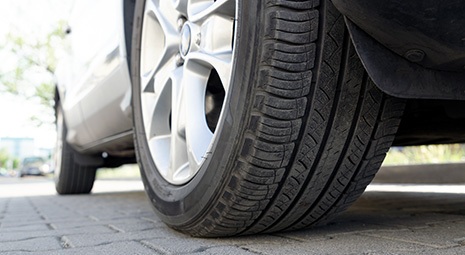
Tyre pressure, the level of air inside a tyre, affects a vehicle’s handling, braking, and overall stability. When tyres are underinflated, the contact area between the tyre and the road increases unevenly, generating excess heat and causing the tyre to wear more rapidly.
Overheating can lead to a sudden tyre blowout, especially at high speeds, which can make a driver lose control, potentially resulting in collisions with other vehicles, roadside objects, or pedestrians.
Overinflated tyres are equally dangerous. Yes, there is such a thing even in tuberless tyres of today.
Many people assume tubeless tyres are “self-regulating,” but that’s not true—the air pressure inside is entirely dependent on what the driver puts in.
Most people rely on air pumps at fuel stations, which may not have precise gauges. If a driver fills the tyre beyond the manufacturer’s recommended pressure, it becomes overinflated.
Rather than go it yourself, it is better to pay an attendant that 2k to handle your tyre pressure correctly.
Overinflated tyres reduce the tyre’s contact with the road, decreasing traction. This makes vehicles more prone to skidding, particularly on wet or uneven surfaces, and can lead to loss of control when cornering or braking abruptly.
In both cases, the risk of an accident rises exponentially during busy periods, such as the December festive season, when vehicles are often overloaded with passengers or goods.
Tyre pressure also affects steering and braking performance. Underinflated tyres make the steering feel sluggish and increase stopping distances, meaning a driver may be unable to brake in time to avoid a hazard.
Overinflated tyres, meanwhile, make steering overly sensitive, which can cause sudden overcorrections on the road—another accident risk.
The impact of incorrect tyre pressure is not limited to safety. Fuel consumption is also affected. Underinflated tyres increase rolling resistance, forcing the engine to work harder and consume more fuel.
Overinflated tyres can reduce rolling resistance slightly but compromise control and tyre lifespan.
Studies suggest that driving on tyres with incorrect pressure can increase fuel consumption by up to 10%, while also accelerating tyre wear, increasing maintenance costs, and raising the probability of costly accidents.
Tyre pressure is dynamic—it changes with temperature. Cold mornings can reduce tyre pressure, while long journeys on hot roads can cause the air inside to expand.
A motorist should should check tyre pressure before long trips, ideally when tyres are cold. The correct levels are usually listed in the vehicle’s manual or on a sticker inside the driver-side door.
Avoid overloading vehicles, as excess weight increases the strain on tyres, raising the risk of overheating, blowouts, and accidents.
During the festive season, when roads are congested and accidents spike, ensuring correct tyre pressure is a simple yet crucial safety measure.
Properly inflated tyres improve vehicle control, reduce fuel costs, and lower the likelihood of accidents that can ruin celebrations.
Road safety experts emphasize that preventive maintenance, including regular tyre checks, is far easier—and safer—than coping with the consequences of a preventable crash.
For a safe festive journey, drivers are urged to make tyre checks a habit: inspect tread depth, monitor air pressure, and ensure tyres are not overloaded.
It is a small step that can prevent a devastating accident and ensure that holiday travel ends in joy rather than tragedy.
