
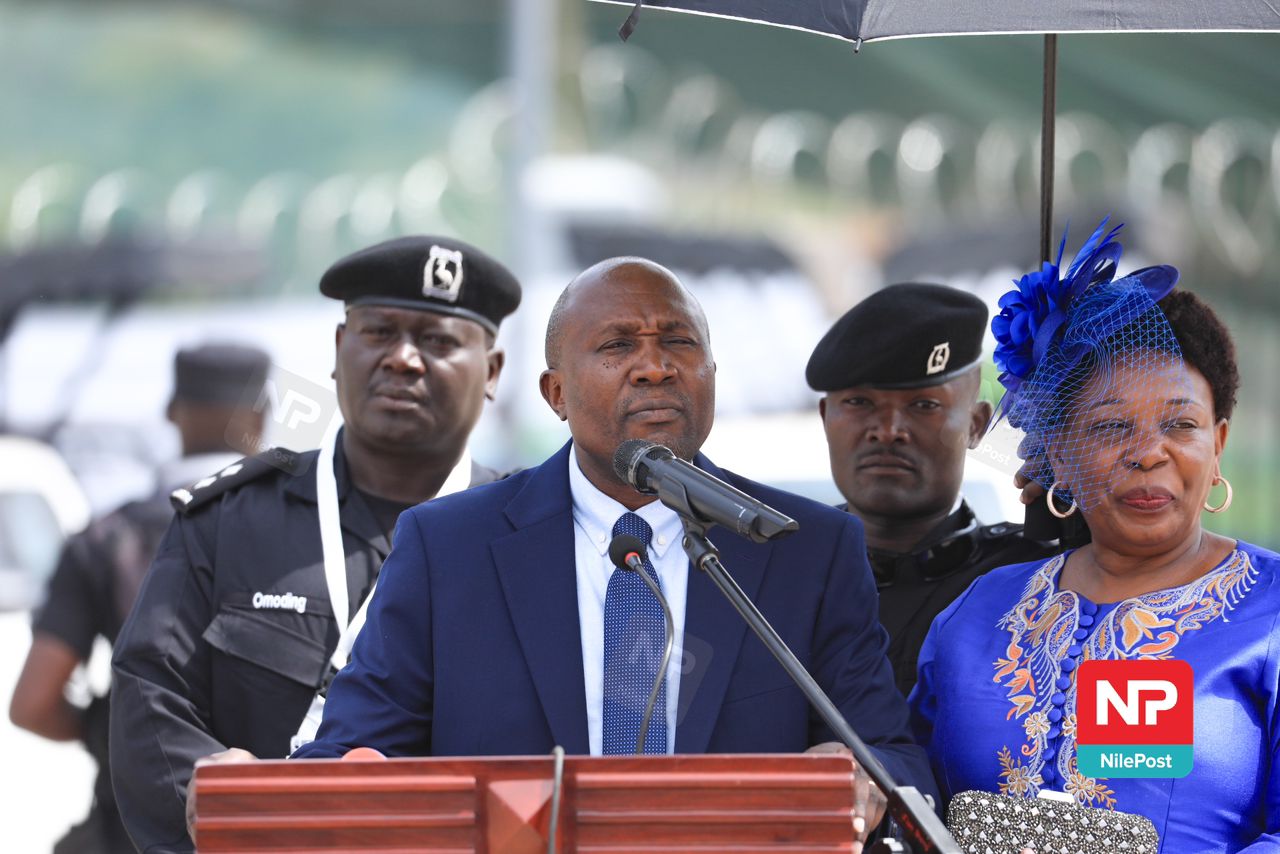
The Forum for Democratic Change (FDC) has launched its fifth manifesto since Uganda’s return to multiparty politics, with presidential flag bearer, Nandala Mafabi, promising a people-centered government that prioritizes economic revival under the theme: “Fixing the Economy; Money in Our Pockets.”
Unveiling the document, FDC said Uganda is at a crossroads, facing not only global and regional challenges such as conflicts in the Democratic Republic of Congo, South Sudan, and the ongoing Russia–Ukraine war, but also deep-rooted domestic crises that have crippled governance and strained livelihoods.
According to the 2024 National Population and Housing Census, Uganda’s population stands at 45.9 million, half of whom are below 18 years, while 4 million youths are neither in education, employment nor training.
The manifesto points to this as evidence of a collapsing economy, worsened by high taxes, rising debt, unemployment, widening income inequality, land disputes, environmental degradation, poor infrastructure, and a struggling health and education system.
Mafabi said fixing the economy is not just about stabilizing figures but about restoring dignity to Ugandans.
“When people have jobs, they will afford two meals a day, educate their children, meet family needs, and the country will expand its tax base without relying on debt,” he stated.
The FDC leader also took aim at Uganda’s governance system, saying political institutions have broken down, Parliament continues to pass anti-people laws, and the security forces are increasingly partisan.
He pledged that under an FDC government, resources will be managed with frugality, transparency, and accountability to ensure economic growth benefits every citizen.
FDC’s blueprint also places emphasis on rebuilding public trust, revitalizing sectors that drive productivity, and reducing the bitterness created by economic inequality.
Mafabi promised an administration that works towards a peaceful transition and a fair distribution of opportunities.
“Uganda cannot rebuild without first fixing the economy. This will be our starting point,” he concluded.
