
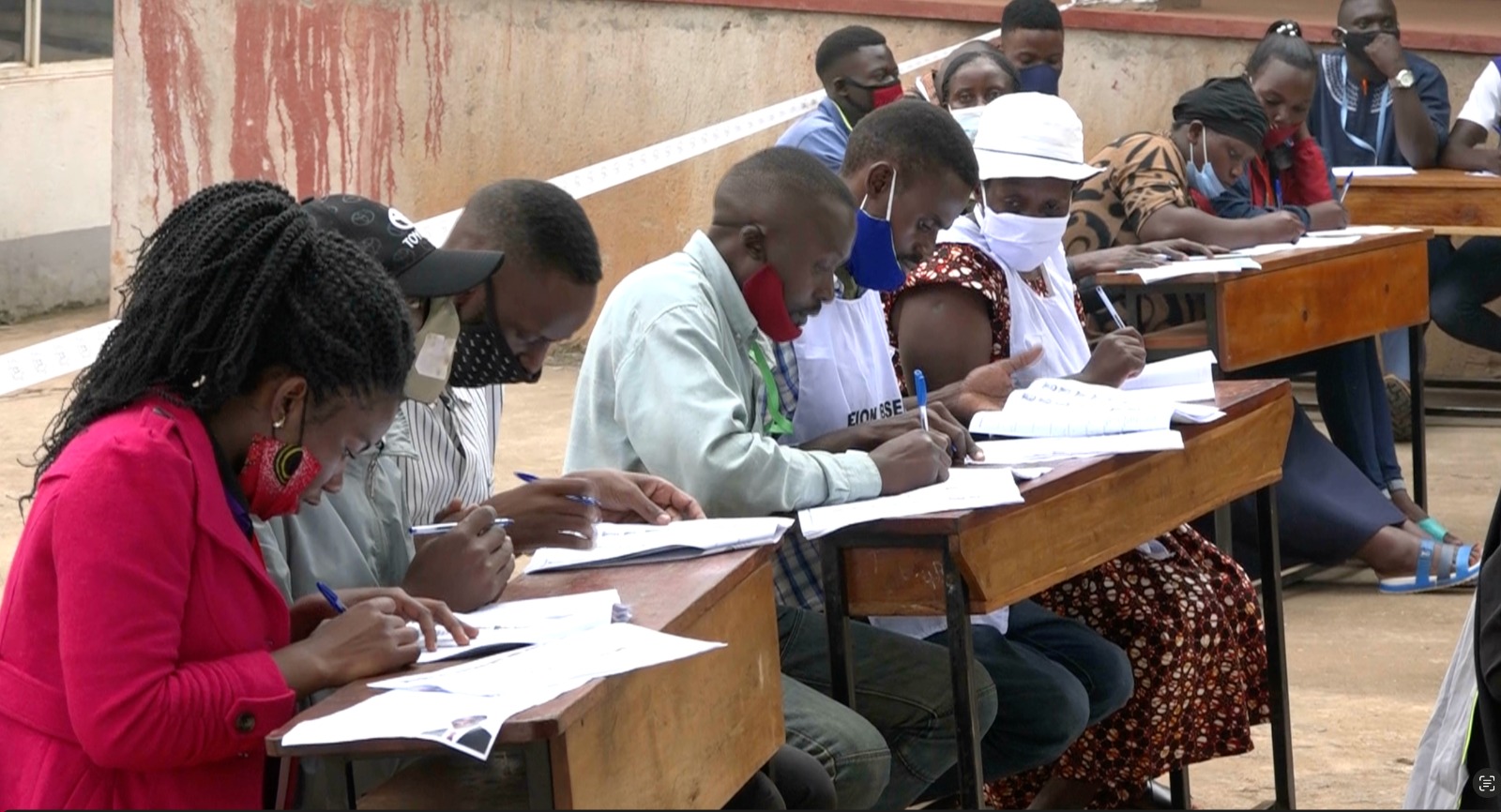
During the nomination and vetting of candidates for local government positions, some aspirants appeared unaware of the procedures and presented incomplete or incorrect documents, creating challenges for officials conducting the vetting.
In past elections, extensive civic education campaigns—including posters, radio programs, and television broadcasts—helped prepare both voters and candidates.
This time, however, such efforts appear less visible, with even some civil society organizations reporting that they were not given the opportunity to conduct voter education exercises.
With just three months remaining before the general elections, Professor Rogers Barigayomwe, a political analyst, and Perry Aritua, executive director of the Women’s Democracy Network Uganda, argue that the gaps are not accidental.
"If civic education is not available, some players are gaining from it," says Barigayomwe. "If in Parliament we witnessed invalid votes, what about places like Karamoja?"
Aritua adds that the country’s young population poses an additional challenge.
"You have a country with many young people turning 18, and a number of them have never participated in any election. That will affect their decision-making," she says.
Both experts warn that without proper voter education, the elections could be chaotic. They note that some young voters may view civic education as irrelevant or might sell their votes without understanding the consequences.
"Civic education has to start from schools. We can't have kids normalizing buying votes with sweets," Aritua emphasizes.
The Electoral Commission, however, insists that voter education is still underway across the country.
"Previously, we had a lot of support from civil society and other partners, but there is certainly voter education, and most of it is activity-based," says Paul Bukenya, deputy spokesperson for the EC.
Bukenya also notes that political parties have contributed to the problem by failing to prepare their candidates for the nomination process, leading to rejections during vetting.
Ultimately, the effectiveness of voter education will be measured by the outcome of the elections.
