
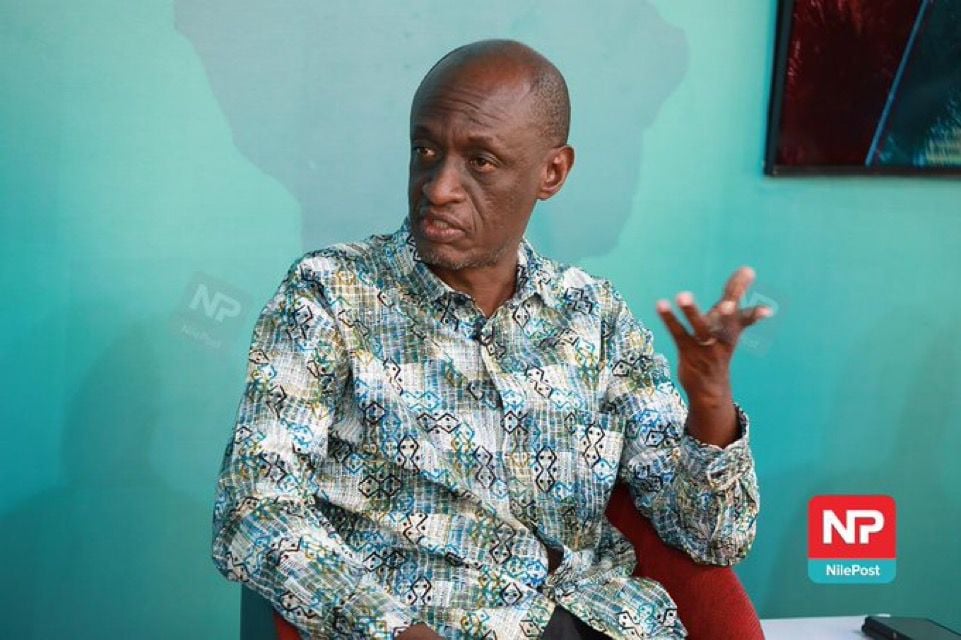
The fear of crime, economic frustration, and systemic inequality are pushing many young Ugandans into despair and even the bottle according to veteran media trainer Richard Baguma, who recently spoke out about the challenges he observed during a visit to Gulu.
During an interview on NBS television this morning ,Baguma who was in Gulu for a community engagement, shared a sobering interaction he had with an old classmate from Ntare Secondary School.
Baguma who now resides in Gulu, opened up about the psychological toll that insecurity and poverty are taking on young people in the region.
“He told me the reason why he was drinking at 10:00 am was because he was afraid to get his boys to war because of the ‘ghost criminals,’” Baguma said, referring to an apparent surge in criminal activity that residents say is both mysterious and unaddressed.
The term “ghost criminals” has become common slang in parts of Uganda, describing shadowy, unidentified actors involved in robberies, disappearances, and alleged political manipulation. While authorities have remained tight-lipped on the issue, residents say the fear is real and growing.
Baguma says the anxiety isn’t just about personal safety it’s also economic.
“Have you ever thought of what shs50 billion can do in a year?” he asked rhetorically, pointing to what he believes is deliberate economic exclusion by elites. “It’s part of the architecture for some people to get wealth, regardless of most people being unemployed.”
The comment highlights growing frustration among Ugandans who feel the country’s resources are being siphoned off by a connected few, while the majority struggle with joblessness and rising costs of living. Northern Uganda, in particular, has historically faced marginalization and the lingering aftereffects of past conflicts.
“There’s no real investment in youth here. They say they’re bringing programs, but it’s the same people benefiting every time,” said Sharon Auma, a community organizer. “Meanwhile, our boys are scared to even walk home at night.”
Calls for a national reckoning on youth unemployment, equitable development, and local security structures are growing louder. Experts warn that without targeted intervention, frustration could boil over into unrest or increased substance abuse.
