
The Minister for Science, Technology, and Innovation, Dr Monica Musenero, has announced that Uganda has begun its journey into hardcore manufacturing — a major milestone in the country’s quest for industrial self-reliance.
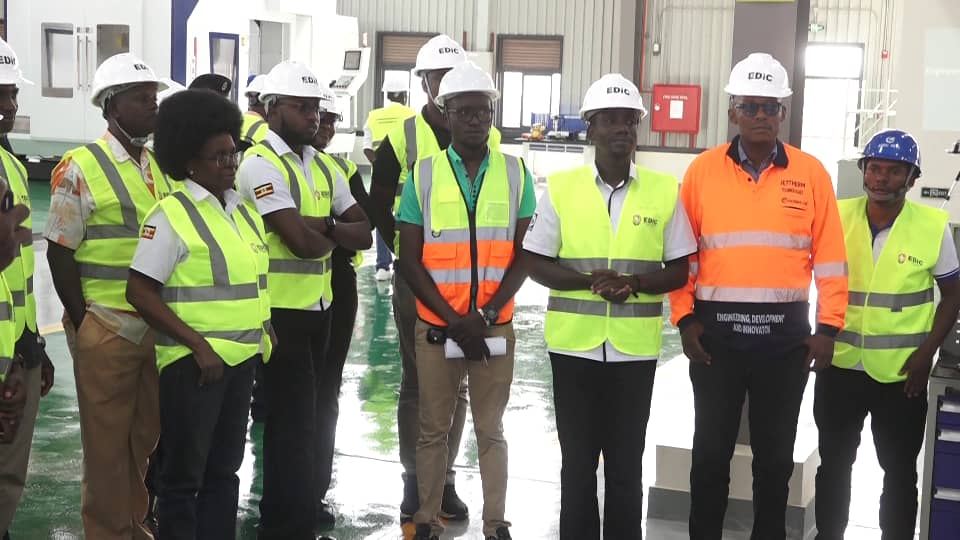
Speaking at the launch of the Technology Innovation Enterprise Accelerator (TIER) program at the Engineering Development and Innovation Centre (EDIC) in Rwebitete, Kiruhura District, Musenero said Uganda is now equipped to produce its own machinery and reduce the country's reliance on expensive imports.
“We have built this concept because we found out that if you want to be an industrial nation, you have to prioritize engineering and manufacturing to make profits. You cut the costs of importing small machinery,” Dr Musenero said.
The EDIC facility, a multi-billion-shilling investment constructed with a loan from the Chinese government, is designed to transform innovative ideas into tangible engineering solutions.
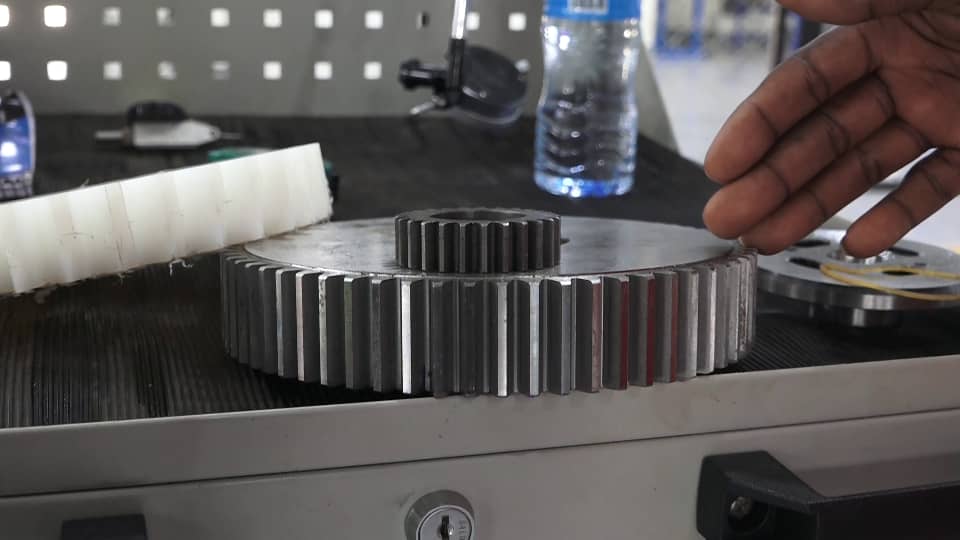
It leverages reverse engineering, advanced computerised machinery, and local technical expertise to support smart manufacturing in Uganda.
For years, Uganda has faced enormous costs importing both light and heavy machinery. Musenero says that’s about to change.
“This facility is well-equipped with senior engineers and the right technology to manufacture standard machines locally,” she said.
“Before you order that part from abroad, first try us. You’ll save on transport, border taxes, delays — and you won’t risk importing a fake product you can’t return.”
Dr Musenero also noted that the EDIC will double as a training hub for young people, especially engineering students and local technicians, to build a skilled workforce that supports the domestic manufacturing ecosystem.
“We are not manufacturing for theory. We’re building machines for real market needs,” she said. “We’ve seen what we import as a country — trust me, there will be no shortage of demand.”
According to Musenero, all key moulding machines at the facility have already been assembled, paving the way for swift and efficient production.
She emphasized that the manufacturing approach will be demand-driven, allowing local producers and entrepreneurs to place custom orders.
“This is hardcore manufacturing — we’re not experimenting. If you are a manufacturer and you need something, you place an order, and it will be worked on here and then,” she said.
The minister called on Ugandans to support the new facility and make use of its services to curb what she described as "machine importation fatigue."
“We have started this journey. Now it’s time to trust our engineers. We can build the machines you need — here at home,” she added.
Following the successful piloting of EDIC in Kiruhura, Musenero revealed that the government plans to replicate similar centers in other regions of the country.
The goal, she said, is to make engineering a major driver of Uganda’s industrial growth and a core pillar of its import substitution strategy.
“This is just the beginning,” she concluded. “We want to decentralize engineering capacity so every region has a facility contributing to national productivity and innovation.”
