
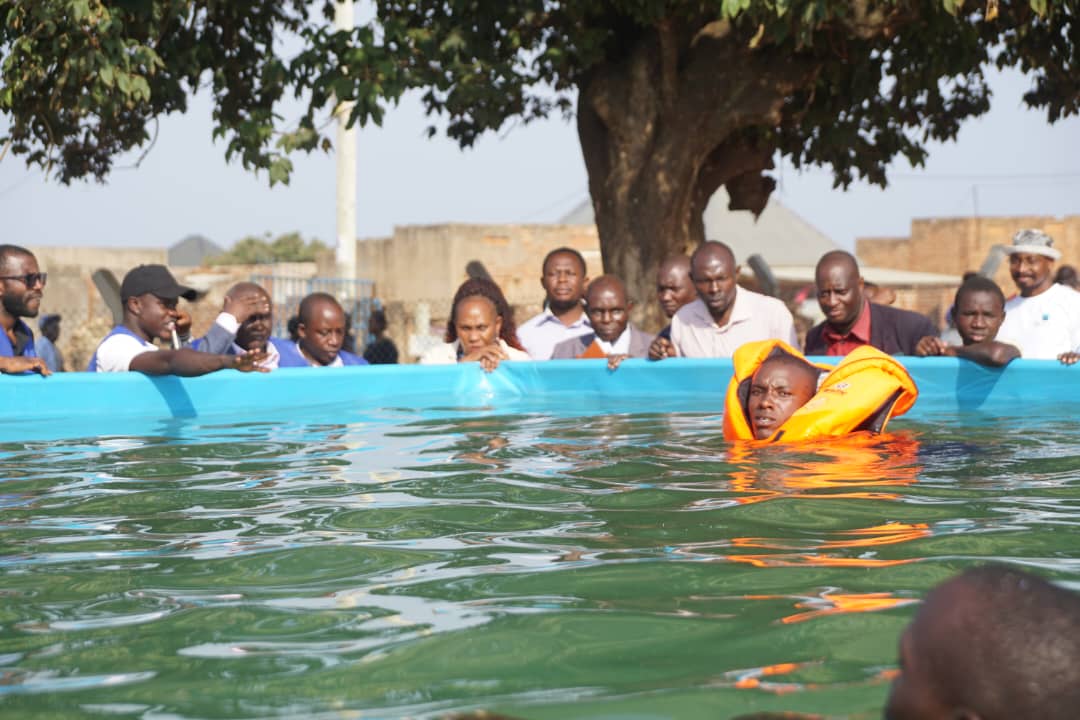
Reach A Hand Uganda has launched a community-led campaign in Bwondha Town Council, Mayuge District, to raise awareness about drowning risks and equip locals—especially children—with vital survival swimming skills.
The event, held in advance of the national World Drowning Prevention Day commemoration slated for July 25 in Munyonyo, spotlighted the urgent need for water safety in Uganda’s vulnerable fishing communities.
This year’s global theme, “Anyone can drown, no one should,” underscores the urgent need for inclusive, community-led interventions to combat what the World Health Organisation (WHO) calls a neglected public health issue.
Globally, over 236,000 people die from drowning every year, with the highest rates occurring in low- and middle-income countries, especially in Africa and Southeast Asia.
Children, adolescents, and people whose livelihoods are linked to water—such as fishers and boat operators—are among the most vulnerable.
Fishing villages across the country remain disproportionately affected by drowning incidents, driven by limited swimming knowledge, lack of rescue infrastructure, and widespread use of substandard life jackets.
“Fishing communities live and work on water, yet many of them don’t know how to swim. That’s a risk we can no longer ignore,” said Benson Muhindo, Programs Officer at Reach A Hand Uganda.
He highlighted the organisation’s ongoing “Know How to Swim” campaign, which promotes behavioral change through hands-on training.
“We have established swimming pools in Bwondha, Masaka, and Rakai. These are controlled environments where trained instructors teach swimming to children aged six and above,” he explained.
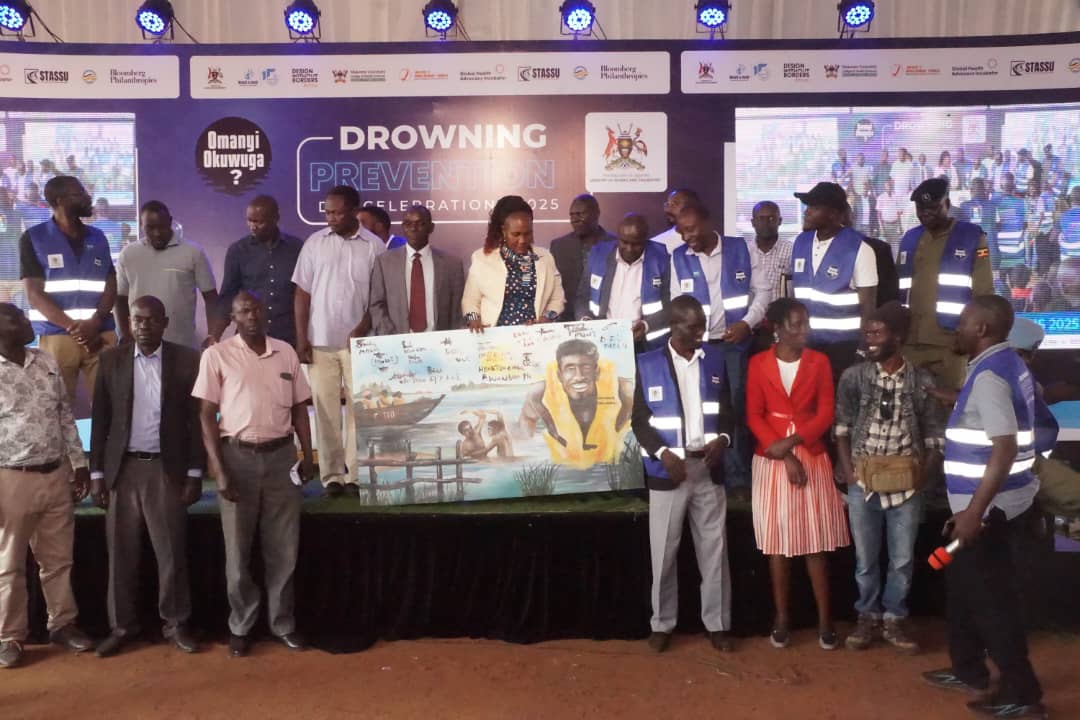
The campaign, supported by local governments and schools, specifically targets young people in lakeside areas. Muhindo said their long-term goal is to embed water safety education into both formal and informal learning systems. “
We want to train instructors who can teach survival swimming as part of a national water safety curriculum,” he noted.
These efforts are informed by research from the Makerere University School of Public Health, which found a sharp rise in drowning deaths, especially among children in communities along Uganda’s lakes.
At the event, AIP Eumu Julius Ceaser, Officer in Charge of Marines at Bwondha, welcomed the intervention but warned of underlying obstacles.
“This initiative comes at the right time. Our people continue to die because they lack basic swimming skills,” he said.
“But we’re also facing interference from politicians, drug abuse among youth, and low public awareness. These issues threaten the program’s success.”
Peter Nkwanga, Vice Chairperson of Mayuge District, praised the campaign as “a timely and life-saving intervention,” urging for nationwide expansion.
However, he also raised concerns about poor-quality safety gear: “We must address the issue of fake life jackets flooding the market. People are losing trust in these products, which puts lives at greater risk.”
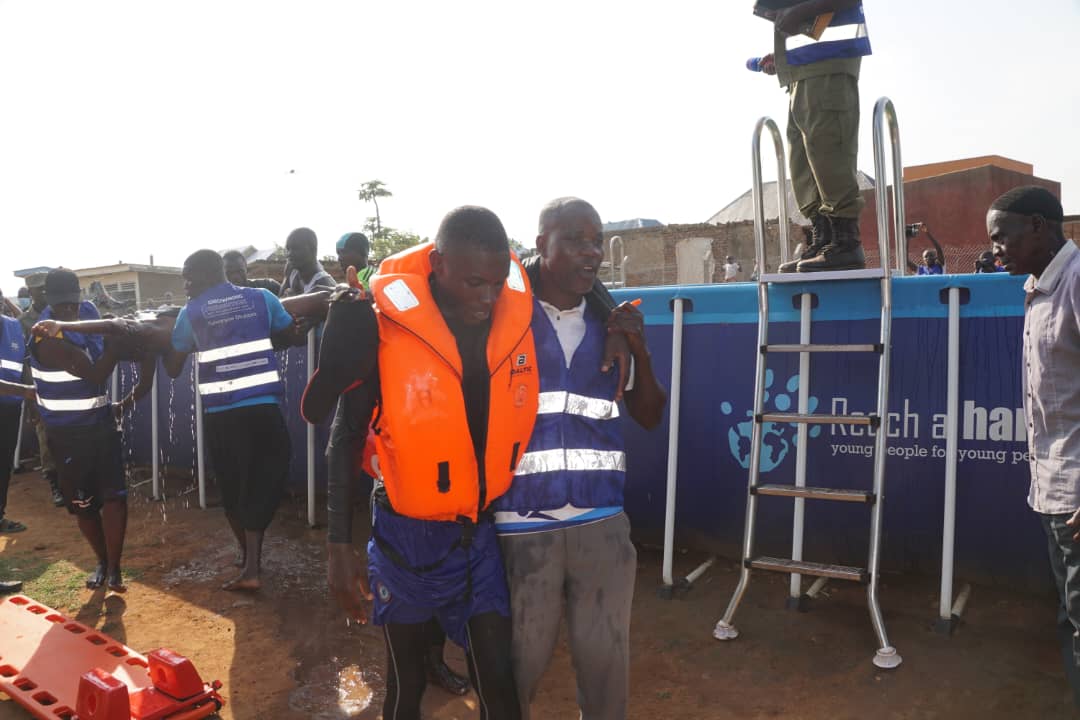
The event was attended by Charles Ruzigye, Assistant Commissioner at the Ministry of Works and Transport, who represented the Minister.
He reaffirmed government’s commitment to reducing drowning incidents by 25 percent within five years through a national water safety plan.
“This includes establishing search and rescue services at major lake shores and skilling communities in emergency response,” Ruzigye said.
“Drowning is not just a local issue. It’s a global concern, and Uganda is playing its part as a UN member state.”
He called on development partners and civil society organisations to scale up their involvement.
“Government alone cannot tackle this challenge. We need all stakeholders on board if we’re to reduce drowning fatalities meaningfully.”
Uganda continues to rank among the countries with the highest drowning rates globally—estimated at 502 deaths per 100,000 people.
The majority of these deaths occur in fishing communities, where the risks are high and resources limited.
Through grassroots efforts like those led by Reach A Hand Uganda, combined with national policy reforms, authorities hope to reverse the trend and instill a culture of water safety for generations to come.
