
Advertisement

Research Sector Struggles Under Funding Gaps,d Regulatory Failures

By Mildred Tuhaise | Wednesday, February 26, 2025
Research Sector Struggles Under Funding Gaps,d Regulatory Failures
### Sustainable Urbanization in Uganda Remains Elusive Amid Housing Shortage Uganda's efforts to address its housing shortage and achieve sustainable urbanization goals are being significantly hindered by the undercapitalization of the National Housing and Construction Company Limited (NHCCL), according to the 2024 Auditor General’s report. The company’s struggle to meet its mandate has resulted in a severe shortfall in affordable housing, exacerbating the urban housing crisis. SDG 11, which emphasizes the creation of inclusive, safe, resilient, and sustainable cities, is at the heart of Uganda’s housing development agenda. NHCCL is central to this goal, with a strategic plan aimed at addressing the country’s estimated 1.6 million housing unit deficit. To meet these objectives, the government committed to capitalizing NHCCL with UGX 231.5 billion, including UGX 118 billion in contributions. However, only UGX 30 billion—just 25% of the expected government contribution—was allocated in the year under review, severely limiting the company’s capacity to build affordable housing. The consequences of this underfunding are stark. Between 2018 and 2022, NHCCL was able to construct only 1,474 housing units, far below the targeted 69,288 units, achieving a meager 2.12% of the goal. This underachievement has deepened the housing crisis, especially in rapidly growing urban areas, and has led to an increase in informal settlements and overcrowded conditions. NHCCL management has raised the issue with Parliament, and the Ministry of Finance, Planning and Economic Development (MoFPED) has been engaged to secure the necessary funds. However, the persistent funding shortfall calls into question the government’s commitment to resolving the housing crisis. The Auditor General’s report underscores the urgent need for the government to honor its funding commitments to NHCCL to enable the company to fulfill its mandate and contribute to sustainable urbanization.
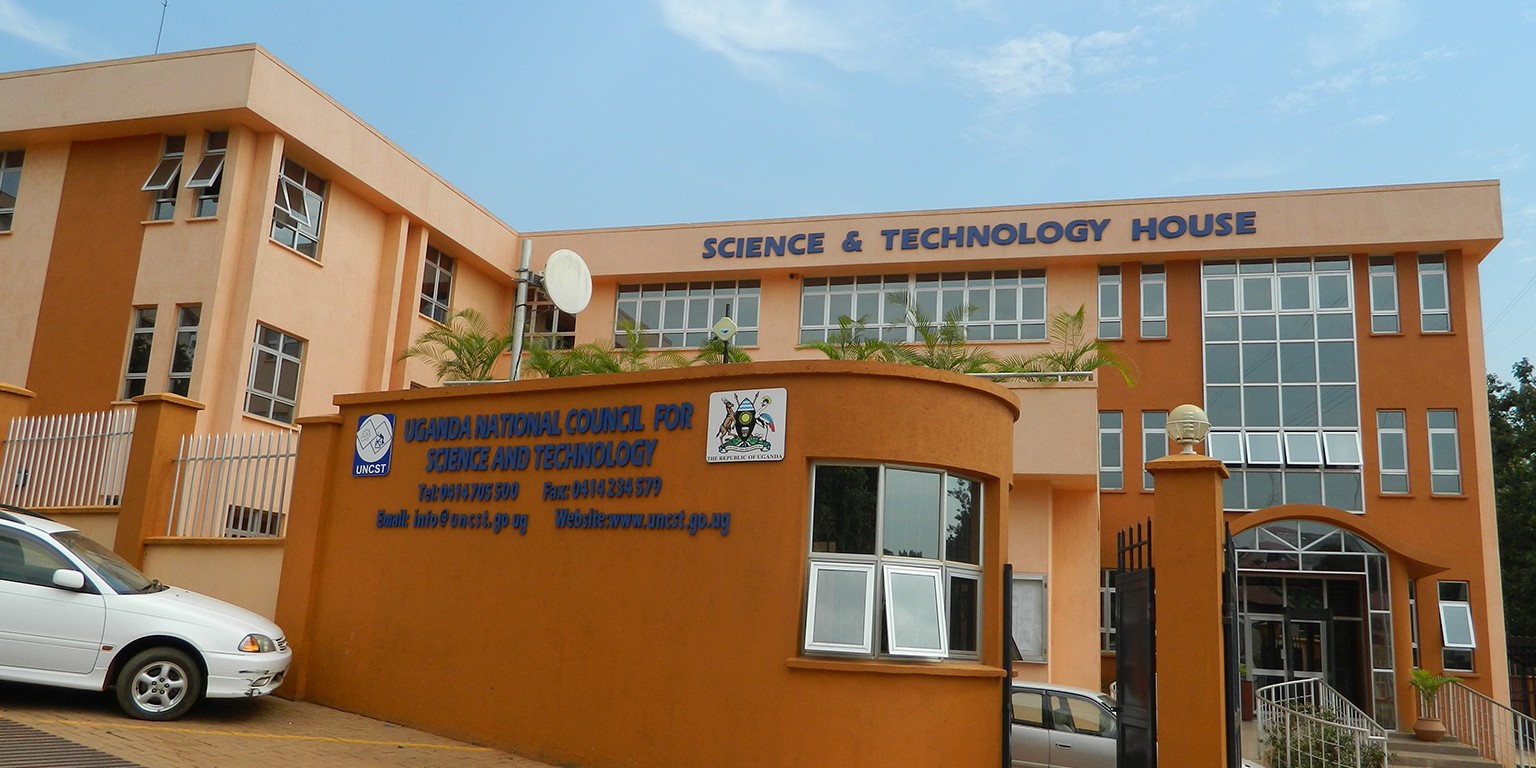
The Uganda National Council for Science and Technology, responsible for overseeing the sector, is struggling to fulfill its mandate, despite the government investing Shs7.321 trillion in research infrastructure over the past seven years.

Uganda’s push for scientific and technological advancement is being undermined by severe underfunding, regulatory gaps, and misallocated resources, according to the 2024 Auditor General’s report.

The Uganda National Council for Science and Technology (UNCST), responsible for overseeing the sector, is struggling to fulfill its mandate, despite the government investing Shs7.321 trillion in research infrastructure over the past seven years.

A stark contrast exists between infrastructure investment and operational funding. In the past three years, UNCST received only Shs23.99 billion—just 27% of the required Shs88.3 billion—leaving critical research activities underfunded.

The report also points out that Uganda lacks a current National Science Innovation and Technology agenda and technology transfer guidelines, as the previous versions expired in 2018.

This absence of strategic direction has left the sector fragmented and uncoordinated.

Additionally, many research institutions operate without functional Research Ethics Committees, undermining oversight of research activities.

Of the 2,592 registered research protocols, only 96 (3.8%) were monitored, with compliance levels at a worrying 20%.

The report also highlights knowledge gaps, with 57% of research actors unfamiliar with Uganda’s research clearance process and 66% lacking the capacity to manage projects effectively.

Further complicating the sector’s challenges, the IT systems meant to facilitate research remain fragmented, hindering the sharing, storage, and dissemination of research data.

Meanwhile, UNCST’s focus appears to have strayed from its regulatory role. In May 2022, it procured 214 pieces of construction equipment worth Shs148.2 billion for rental purposes.

However, 105 of these, valued at Shs72.45 billion, remain idle in parking yards in Lyantonde, Namanve, and Rwebitete, raising concerns about financial mismanagement.

The Auditor General has urged the Ministry of Finance to prioritize funding for research regulation, calling for stronger oversight, improved capacity building, and better resource allocation.

Without immediate action, Uganda risks undermining its own investments in science and technology, limiting its potential for innovation and progress.

What’s your take on this story?

Get the word out — share with your network

Get Ahead of the News.
Stay in the know with real-time breaking news alerts, exclusive reports, and updates that matter to you.

Tap ‘Yes, Keep Me Updated’ and never miss what’s happening in Uganda and beyond—first and fast from NilePost.