
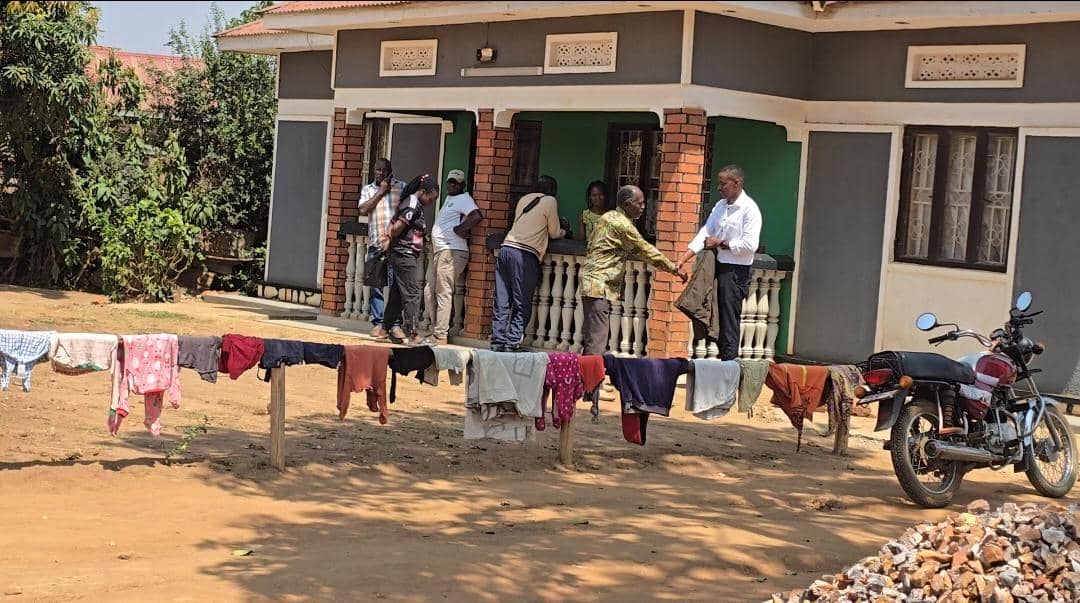
Campaigns for Local Council One (LC1) chairperson and Village Women Council elections have entered a new phase, with many incumbent leaders seeking re-election amid a noticeable shift in campaign strategies.
Unlike previous elections characterised by loud processions, public rallies and open-air gatherings, this year’s campaigns have been dominated by door-to-door mobilisation following strict Electoral Commission (EC) guidelines restricting large processions.
Candidates say the changing campaign environment, coupled with the increasingly busy lifestyles of urban residents, has forced them to adopt more personalised approaches to reach voters.
“The reality on the ground has forced us to change our tactics completely,” said Fred Turyakira, an aspiring LC1 Chairperson for Booma Cell and incumbent leader.
“People are incredibly busy with their businesses and formal jobs, so waiting for them to gather at traditional rally grounds is a waste of time. By going door-to-door in the evenings and early mornings, we respect their schedules while securing a direct and personal commitment from each household,” he added.
Turyakira said the approach allows candidates to build stronger relationships with voters by addressing issues affecting individual households.
“This quiet mobilisation allows us to discuss real village issues one-on-one. The upcoming NRM Baraza will further streamline our logistics, ensuring that our village structures are coordinated to turn this household outreach into actual votes on polling day,” he said.
Other candidates in Mbarara City have also embraced the strategy, describing door-to-door mobilisation as a necessity in the current election environment.
“Re-election requires showing people that you truly understand their daily struggles, and you cannot do that through a megaphone on a moving truck,” said Eric Gganaafa , the incumbent LC1 Chairperson for Katete Central.
“Residents tell us plainly that they cannot abandon their shops or workplaces to attend rallies. Walking into their spaces shows humility and allows us to account for what we have achieved during our tenure,” he added.
Gganaafa said the absence of large public processions has created a calmer campaign environment where candidates can focus on discussing specific community needs.
“The environment is peaceful. We are matching our manifestos directly to the needs of individual families, which is exactly what local governance should be about. It keeps voters engaged without interrupting their livelihoods,” he said.
Female candidates seeking re-election are facing similar challenges, balancing limited campaign time with the need to reach every voter in their respective cells.
“As a leader, you must adapt to the rhythm of your community,” said Proscovia Kagwisagye, the LC1 Chairperson for Rugazi Cell.
“Our people are preoccupied with making ends meet, so the door-to-door method ensures no voter is left out simply because they had a busy workday. It is exhausting for us as candidates, but it is the most effective way to encourage high voter turnout,” she added.
Kagwisagye also highlighted the importance of engaging women voters ahead of the Village Women Council elections.
“We are laying the groundwork not only for the LC1 elections but also for the women’s elections. Reaching women directly at their doorsteps gives them confidence to participate actively in shaping village leadership,” she said.
The nomination exercise concluded successfully, attracting candidates from the ruling National Resistance Movement (NRM), the People’s Front for Freedom (PFF), and various independent political groups.
However, the race experienced an unexpected development following the withdrawal of the only National Unity Platform (NUP) candidate from the contest.
“The nomination exercise was highly successful across the city’s 186 cells,” said Violet Atuhura, the Mbarara City Electoral Commission Returning Officer and Administrator.
“However, we received official confirmation regarding the sudden withdrawal of the sole NUP candidate from the contest, meaning their ticket will not feature in this particular local election,” she added.
Atuhura also warned candidates against violating campaign regulations, particularly the ban on large processions.
“We want to reiterate that large public processions remain strictly banned. Any candidate found violating these guidelines will face legal consequences, as we are committed to ensuring a peaceful and orderly election process,” she said.
Ugandans will vote using the traditional open lining-up system, beginning with Village Women Council elections on July 23, 2026, and concluding with LC1 Chairperson elections on July 27, 2026.
