
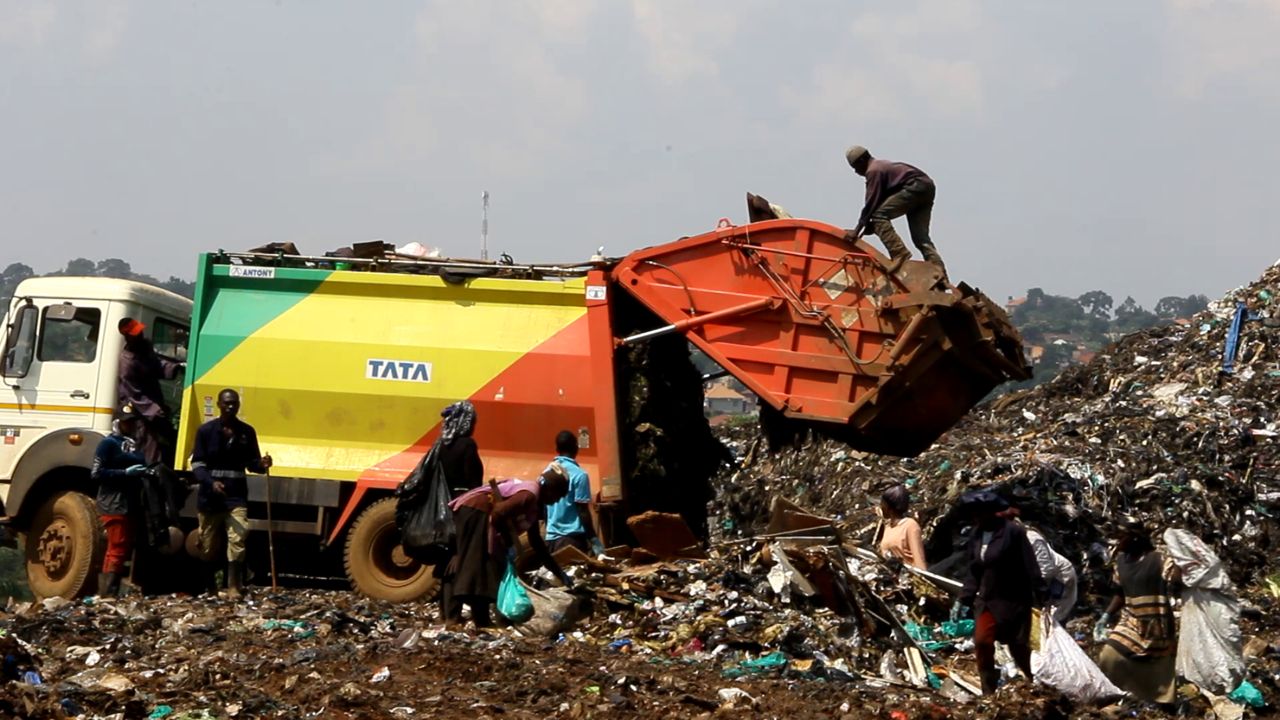
Despite improvements under the Uganda Support to Municipal Infrastructure Development - Additional Financing (USMID-AF) project, a recent audit has revealed that Uganda continues to face significant challenges in solid waste management.
The findings expose a large gap between the waste generated and the amount successfully collected and disposed of, highlighting critical issues in national policy and infrastructure.
Between 2021/22 and 2023/24, Uganda produced 4,034,740 tonnes of solid waste, yet only 37% was collected and properly disposed of.
This leaves a staggering 63% of waste uncollected, presenting major environmental and public health risks.
The audit shows a marked difference in performance between cities and municipalities, with urban centers generally faring better than smaller municipalities.
Cities managed to collect 34.4% of their waste, while municipalities achieved a slightly higher rate of 50%.
Some municipalities, like Fort Portal City and Soroti City, have performed well, collecting and disposing of up to 86% of waste.
Kamuli Municipality followed with a collection rate of 79%. However, other areas, including Lira City and Kitgum Municipality, have struggled significantly, with collection rates as low as 10%.
These disparities point to the need for targeted interventions, particularly for the underperforming regions.
The audit identifies a lack of a comprehensive national policy and inadequate infrastructure as major contributing factors to the difficulties in waste management.
Despite the role of the Ministry of Lands, Housing, and Urban Development (MoLHUD) in waste management, there is still no national solid waste management policy in place.
Furthermore, plans for waste recycling and resilient infrastructure, key components of sustainable waste management, have not been realized.
Without a clear, coordinated approach to addressing these challenges, Uganda faces ongoing difficulties in managing waste, which could have far-reaching consequences for both public health and the environment.
The report calls on MoLHUD to prioritize the development of a national solid waste management policy that includes effective strategies for waste collection, disposal, and recycling.
The policy should also guide investments into the necessary infrastructure to ensure that all cities and municipalities are equipped to handle waste efficiently.
