
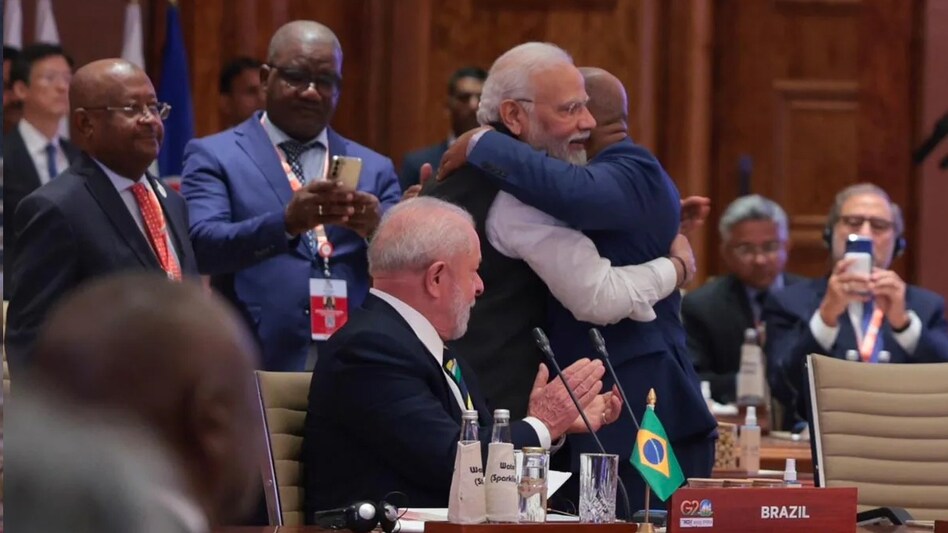
Africa's landmark entry into the G20 during the Rio de Janeiro summit has sparked optimism for a more inclusive and sustainable global order.
The African Union’s (AU) new permanent seat underscores the continent's rising influence and the urgent need to address its climate challenges.
Yet, former Kenyan Prime Minister Raila Odinga has warned that mere representation is insufficient.
He stressed the need for actionable support that directly benefits African communities battling the effects of climate change.
“Africa needs substantial financial investment and technical support to unlock its vast renewable energy potential,” Odinga stated, urging G20 members to prioritise Africa’s development as part of the global goal to triple renewable energy production by 2030.
Odinga also called for the dismantling of systemic inequalities that entrench poverty in Africa and other developing regions.
"Wealthy G20 nations must move beyond rhetoric and provide sustainable, long-term climate financing and concessional loans to help the Global South close the current funding gap," he said.
As Africa joins the G20, the spotlight is on whether its voice will lead to transformative actions.
The summit’s outcomes will carry profound implications for global climate goals and the well-being of the planet’s most vulnerable populations.
