
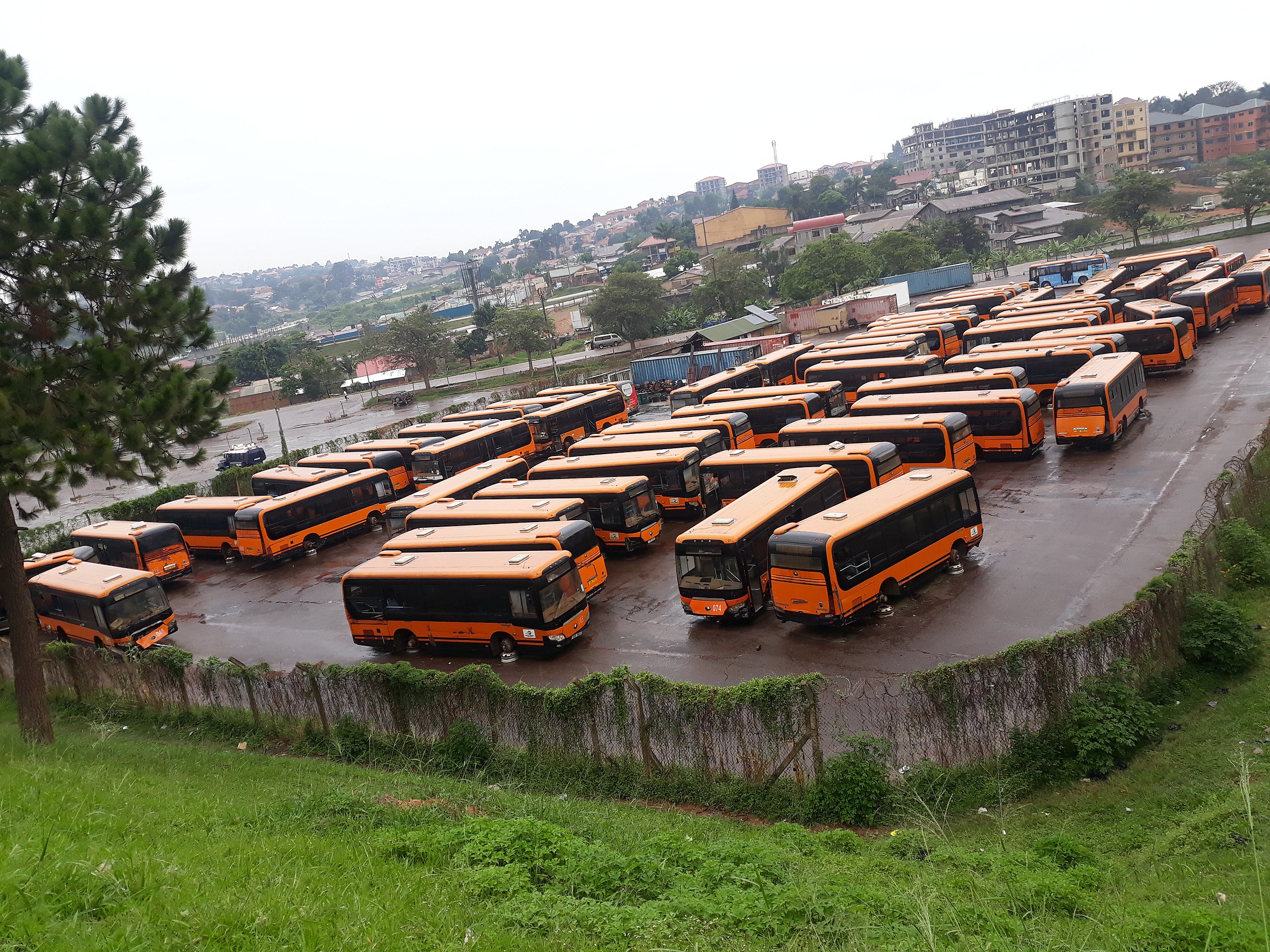
Despite repeated visions and attempts to introduce buses as a solution to traffic congestion in Kampala, city leaders lament the lack of progress, attributing it to a combination of political interference and the absence of a comprehensive transport policy.
The dream of efficient public transport in the capital remains elusive, with bus initiatives failing to materialize beyond paper plans.
Several bus initiatives have been launched over the years, only to collapse at the inception stage, leaving city residents stranded in traffic jams.
Pioneer bus companies, which aimed to deploy 500 buses but started with only 100, were impounded by the Uganda Revenue Authority (URA) for alleged tax evasion in 2021, and remain grounded at Nambole with little hope of returning to operation.
Similarly, Wakulanume, introduced by former UTODA staff along Gayaza road, and Tondeka buses operating on the Kampala-Ntinda route, have struggled to gain traction among commuters.
Despite initial excitement, these bus initiatives have failed to provide a sustainable solution to the city's transport woes.
Hakim Kiiza, the executive secretary in charge of works and physical planning at Kampala Capital City Authority, points to political interference as a major obstacle to addressing the public transport mess.
"Attempts to deal with the public transport mess have failed due to political interference," Kiiza lamented.
President Hakim Kiiza recommends a hands-off approach, stating,
"When people fail, they should be held accountable and the sector should be closed."
Salim Uhuru echoed Kiiza's sentiments, emphasizing the need for buses to have dedicated lanes to compete effectively in the sector.
"Buses without their lanes face stiff competition and struggle to attract commuters," Uhuru stated.
In response to the ongoing challenges, city leaders advocate for the introduction of a law to regulate the sector effectively.
"Regulatory frameworks are essential to ensure accountability and efficiency in the public transport sector," they affirmed.
The need for decisive action and political will to implement sustainable solutions remains paramount. Without a comprehensive regulatory framework and concerted efforts to address political interference, the vision of efficient bus transport in Kampala may remain just a dream.
