
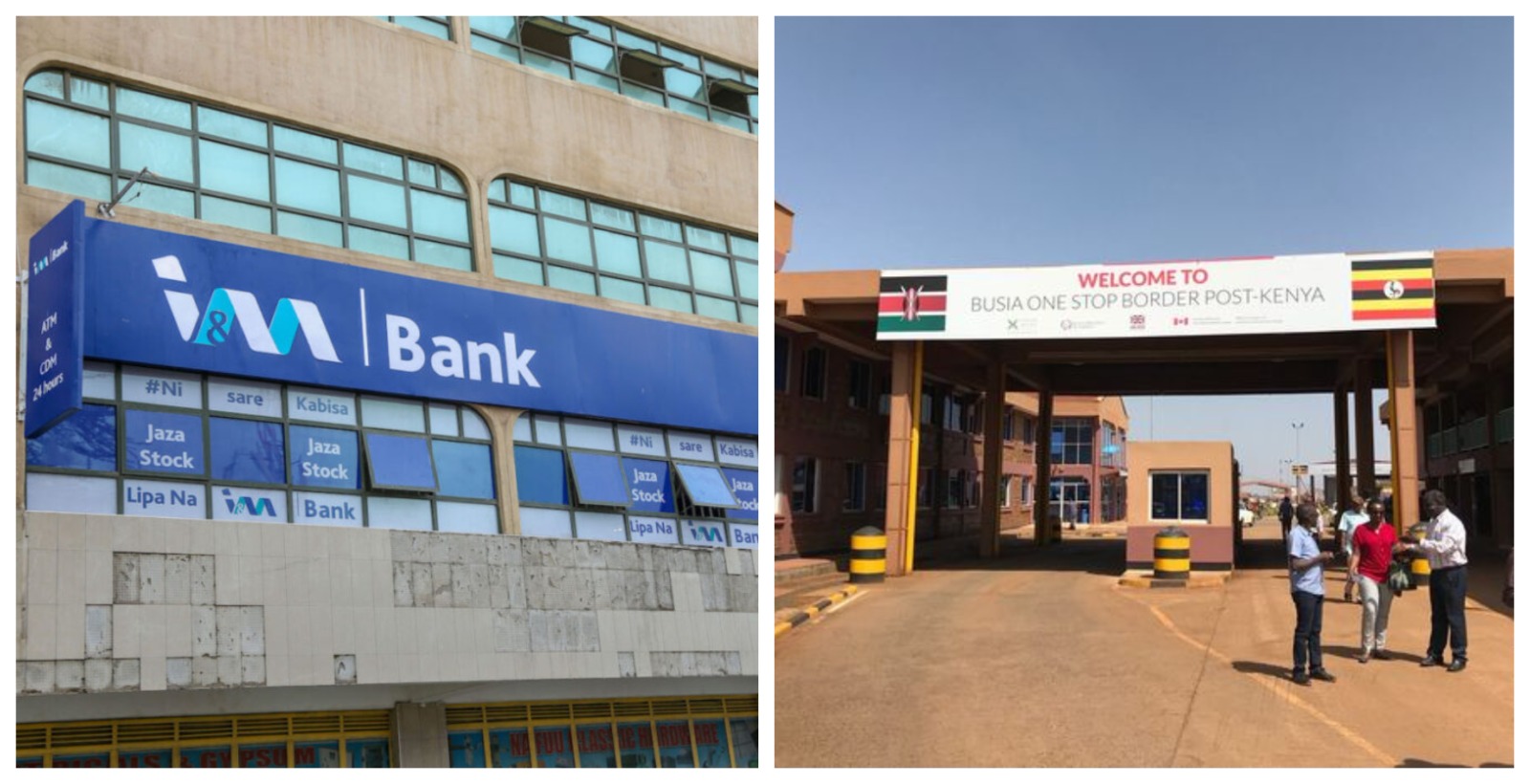
Cross-border banking remains a key pillar of the global financial system, explaining why banks continue to expand beyond their home countries.
By following customers into new markets, banks are able to finance cross-border trade, support investment and tap into fresh growth opportunities.
Through branches, subsidiaries and digital platforms, banks now move capital more easily, supporting regional integration and wider economic activity.
Across the world, many banks operate in more than one country, allowing customers to access services beyond their domestic markets while easing trade and investment. In East Africa, the biggest driver of cross-border banking has been improved regional movement. Under the East African Community Common Market Protocol, citizens can move freely across borders, significantly lowering barriers for individuals and businesses and accelerating regional banking growth.
As a result, banks are increasingly developing products tailored to customers whose financial lives span more than one country. These solutions are designed for traders, professionals and businesses operating across borders.
It is against this backdrop of rising mobility and integration that I&M Bank rolled out a new campaign, IMBRISK, in November 2025. The initiative is aimed at enabling seamless cross-border transactions for customers in key East African markets. Through IMBRISK, customers can deposit, withdraw and transfer money at any I&M Bank branch in Uganda, Kenya, Tanzania and Rwanda, regardless of where their main account is held.
IMBRISK is available to all I&M Bank account holders. Customers can bank using local currencies at any I&M Bank branch across the region. The initiative addresses long-standing challenges faced by cross-border traders, frequent travellers, import and export businesses and professionals who have often experienced delays and complications when accessing or moving funds across borders.
By allowing customers to access their money easily, in local currency and without opening multiple accounts, the solution supports the needs of an increasingly mobile and interconnected population.
These innovations are emerging at a time when East Africa’s cross-border payments landscape is changing rapidly. In 2025, the region recorded significant progress following the launch of the EAC Cross-Border Payment System Masterplan, which aims to enable integrated and instant transfers. This has been supported by pilot links between national payment systems and wider adoption of platforms such as the Pan-African Payment and Settlement System, boosting intra-regional trade and remittances, alongside growing digital acceptance by global providers.
The opportunity is substantial. According to MicroSave Consulting, the East African cross-border payments market was valued at about USD 329 billion in 2025 and is projected to triple to USD 1 trillion by 2035. This growth, driven by fintech innovation, expanding mobile money use and increased intra-African trade, represents a compound annual growth rate of around 12 percent.
Regional economic activity continues to rise. Merchandise trade within the East African Community reached approximately USD 38.2 billion in the second quarter of 2025, a 28.4 percent increase compared to the same period in 2024. While some traders still rely on cash for foreign transactions, solutions such as IMBRISK are becoming increasingly important in facilitating faster and safer transfers.
Beyond trade, travel within the region is also on the rise. East Africans are crossing borders more frequently for leisure, education and family visits, with around 40 percent of tourism activity in recent years taking place within the region. As this trend grows, cross-border banking has become essential, enabling travellers and businesses to pay for goods, services and accommodation without carrying cash or maintaining multiple bank accounts.
By aligning banking services with the realities of a mobile and integrated region, cross-border banking solutions are playing a growing role in supporting economies, strengthening regional ties and making it easier for East Africans to live, work and do business beyond national borders.
