
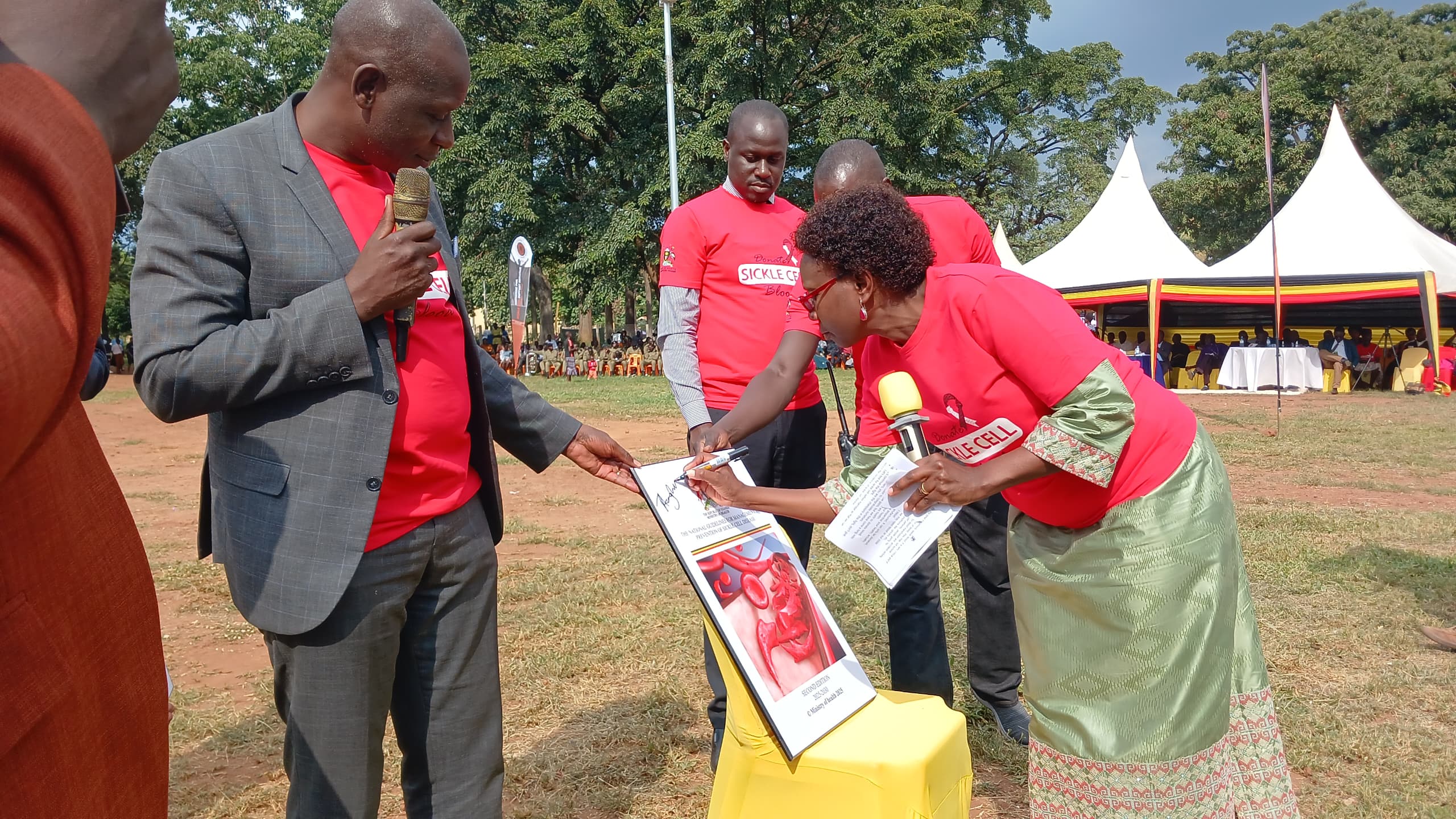
The guidelines were officially launched during national sickle cell commemoration events held at Mayor’s Garden in Lira City.
They aim to standardise diagnosis, care, and community sensitisation efforts amid growing concern about cultural practices, low screening rates, and health system strain.
Health Minister Dr Jane Ruth Aceng described the development as a landmark moment in Uganda’s fight against the disease.
“This document is for those who are suffering from sickle cell disease. Our interest is to strengthen the sickle cell programme to be just like the HIV programme in the country,” said Dr Aceng.
“For the first time, we now have a comprehensive guide to improve early detection, treatment, and public awareness.”
According to Ministry data, the Lango sub-region is among the hardest hit, with Alebtong District alone reporting a 24% sickle cell trait prevalence—nearly double the national average of 13.3%.
Dr Andrew Odur, director of Lira Regional Referral Hospital, said the influx of patients is overwhelming health facilities, especially as most are children requiring frequent care and blood transfusions.
“We are currently managing over 1,400 sickle cell patients at our facility. Every month, the demand for blood transfusion and specialised care keeps rising,” said Dr Odur.
“We need to strengthen the capacities of other health facilities at the district level to handle these cases.”
Health officials pointed to the role of intra-clan marriages—still common in Lango—as a factor fuelling the spread of the sickle cell trait.
The region now has more than 150 clans, many formed due to internal wrangles, further complicating lineage-based risk assessments.
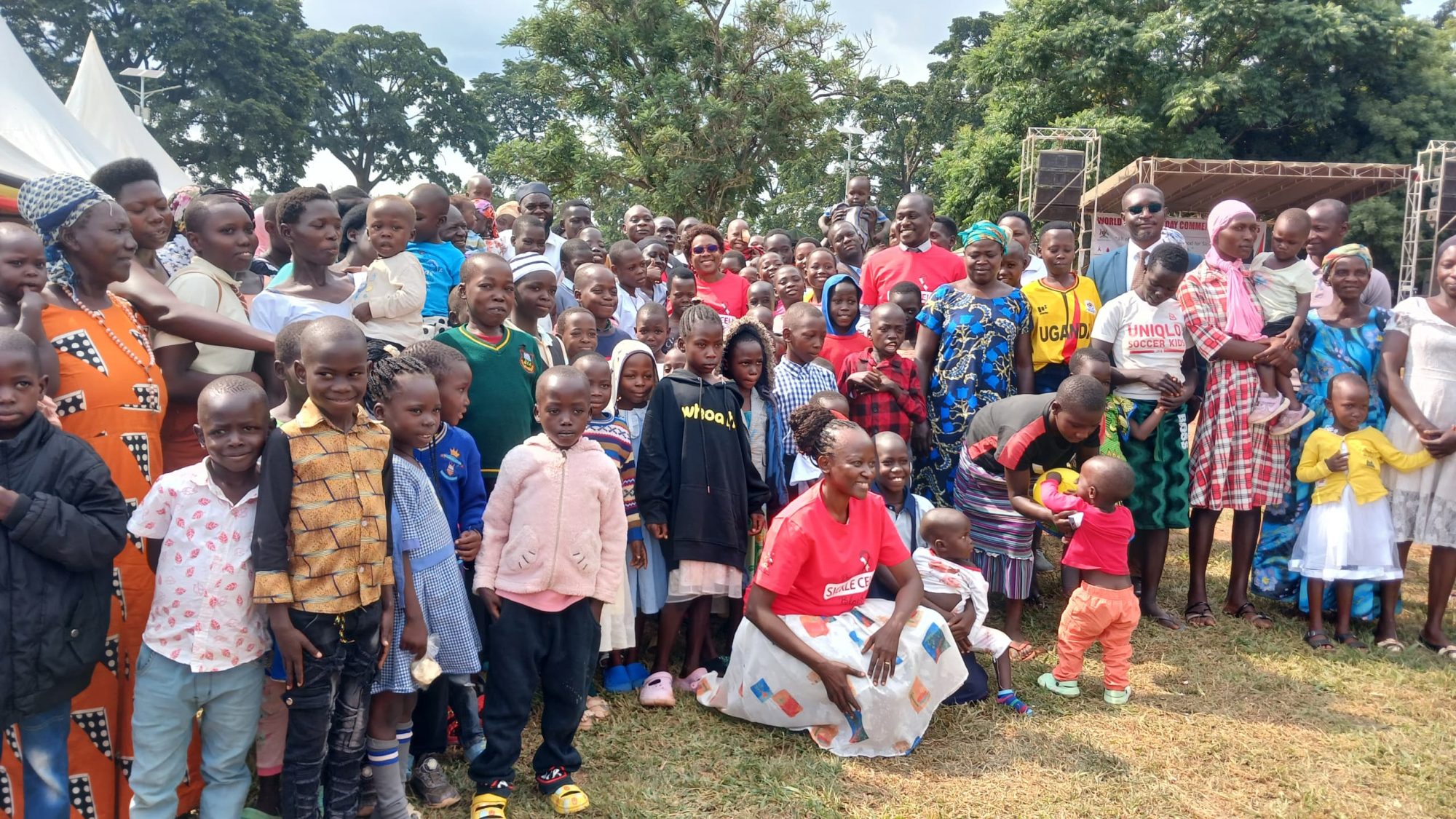
Dr Charles Kiyaga, National Coordinator of the Sickle Cell Program at the Ministry of Health, urged Ugandans to break the silence around the disease and prioritise premarital screening.
“We cannot win this fight without the communities’ involvement. Premarital screening must be prioritised,” he said.
“This has to be a conversation not just in clinics, but in homes, churches, and clan meetings.”
The initiative has drawn praise from advocacy groups who say it provides a long-overdue framework for improving services.
Tracy Nagawa, executive director of the Sickle Cell Rescue Foundation, said the policy captures the voices and needs of patients.
“For years, we have lacked a clear roadmap. These guidelines capture the real needs of people living with sickle cell. But now, we must ensure that they are implemented with adequate resources and political will,” Nagawa said.
Sharoti Kintu, from Friends of Sicklers Foundation Uganda, warned that the guidelines must not remain on paper.
“Let this not be another document gathering dust. We are calling on the government and partners to back this up with funding, especially in areas where the burden is highest,” she said.
Sickle Cell Disease is a hereditary blood disorder marked by the production of abnormally shaped red blood cells, which block blood flow and cause complications including pain, infections, organ damage, and in severe cases, early death.
There is no universal cure, though bone marrow transplants offer hope in limited cases.
Management typically involves pain relief, antibiotics, hydroxyurea, and regular transfusions.
Uganda’s new guidelines are expected to improve early diagnosis, treatment access, and education efforts—particularly in the country’s most affected regions.
