
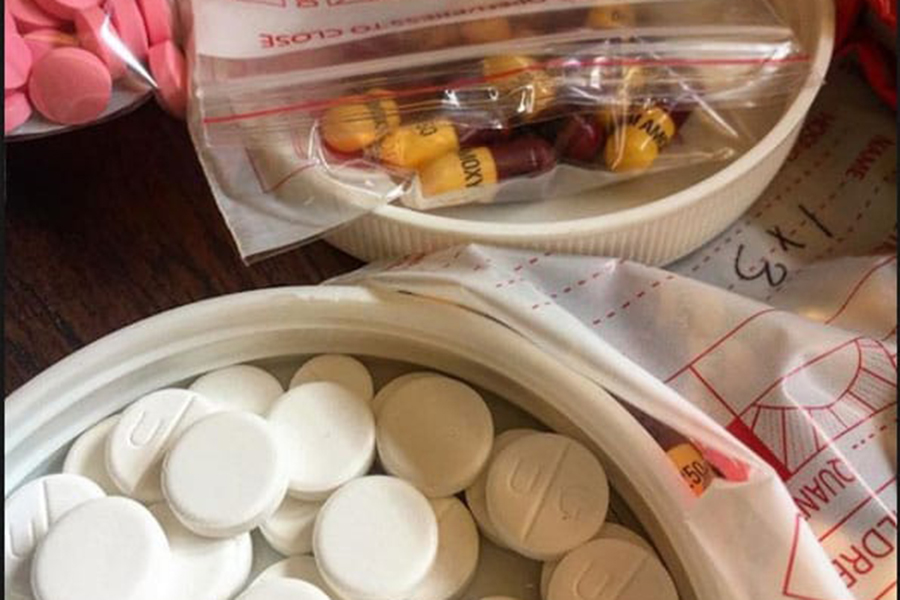
Health experts are raising alarm over how increasing cases of self-medication in Uganda are quietly fueling a growing drug resistance crisis, particularly in the treatment of common illnesses such as malaria, flu, and cough.
According to the Ministry of Health Uganda, many Ugandans are bypassing proper diagnosis and turning to over-the-counter drugs, often taking incorrect or excessive doses.
This misuse, officials warn, is gradually reducing the effectiveness of commonly used medicines.
Ministry spokesperson Emmanuel Ainebyona said the pattern is already showing consequences in clinical settings.
“In some cases we find that medicines no longer work in patients’ bodies because they have been taking them incorrectly or in excessive amounts without medical guidance,” he said.
Health officials explain that when medicines are used improperly, pathogens can adapt, making treatment more complicated and expensive when patients eventually seek professional care.
Experts attribute the trend to a mix of factors, including limited public awareness about proper treatment, the convenience of drug shops, and the tendency to assume illnesses without testing.
Sarah Taratwebirwe from the ministry’s pharmaceutical department emphasized the importance of diagnosis before treatment, urging Ugandans to rely on available testing options.
“People should use diagnostic tools such as malaria testing kits instead of assuming illnesses and treating themselves,” she said.
The warnings come ahead of the National Pharmaceutical Exhibition 2026, scheduled for March 26 to 28 at the Uganda Manufacturers Association grounds in Lugogo, where stakeholders from 12 countries will gather to showcase innovations in medicine production and medical supplies.
Health authorities say tackling self-medication will require stronger regulation, public education, and increased access to affordable diagnostic services.
