

The Ugandan government has announced plans to decentralize cancer care by establishing regional cancer institutes across the country, in a bid to combat the growing number of cancer-related deaths attributed to late diagnosis and limited access to specialized treatment.
The commitment was reiterated by Minister of ICT and National Guidance, Dr Chris Baryomunsi, during the burial of Fiona Kabyanga—the daughter of ICT State Minister Godfrey Kabyanga—in Kasese District.
Fiona succumbed to cancer after her illness was discovered at an advanced stage, a case that mirrors the plight of many Ugandans battling the disease.
“Many of our people die because they seek medical attention when the disease is already in its advanced stages. We must invest in early screening and bring services closer to the communities,” Dr. Baryomunsi said, emphasizing the urgency of early detection.
Kasese District Woman MP Florence Kabugho called on the Ministry of Health to urgently investigate the increasing number of cancer cases in the region.
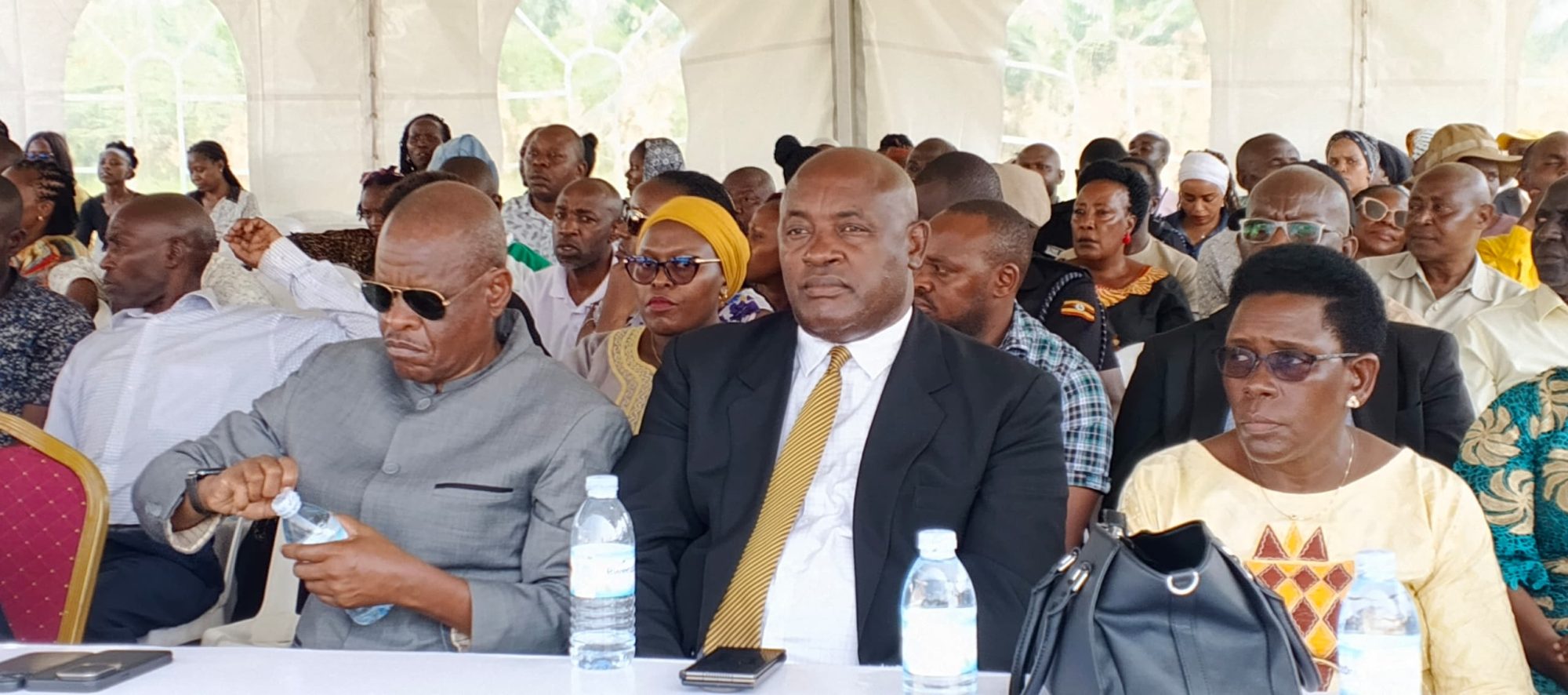
“We have witnessed a rising number of cases in the district, a worrying situation that I believe must be investigated,” Kabugho stated during the funeral, attended by district and national leaders.
Dr. Baryomunsi, however, sought to correct public perception, clarifying that while concern in Kasese is valid, central Uganda—not western Uganda—has the highest cancer prevalence based on data from the Uganda Cancer Institute in Mulago.
“Contrary to what many believe, it is not Western Uganda but the Central region that leads in cancer prevalence,” he noted.
He urged the Kasese District Health Department to intensify public education on cancer prevention and screening, stressing that awareness remains the strongest tool in the fight against the disease.
“The health team in Kasese must mobilize the public. Sensitization is key—people must understand the importance of going for checkups early,” Baryomunsi added.
The government’s broader plan to expand cancer services is seen as a critical step toward decongesting the Uganda Cancer Institute and offering lifesaving care closer to rural communities.
Currently, the country has very few regional cancer centers, forcing most patients to travel long distances to Kampala for diagnosis and treatment—a journey many cannot afford or make in time.
The late Fiona Kabyanga’s death has once again brought national attention to the consequences of limited access to timely cancer care.
Her story has galvanised calls from both citizens and lawmakers for a nationwide push on cancer awareness, screening infrastructure, and policy support.
As the country prepares to roll out more regional centers, health experts hope the move will not only increase access but also reduce the high mortality associated with late-stage diagnosis.
