
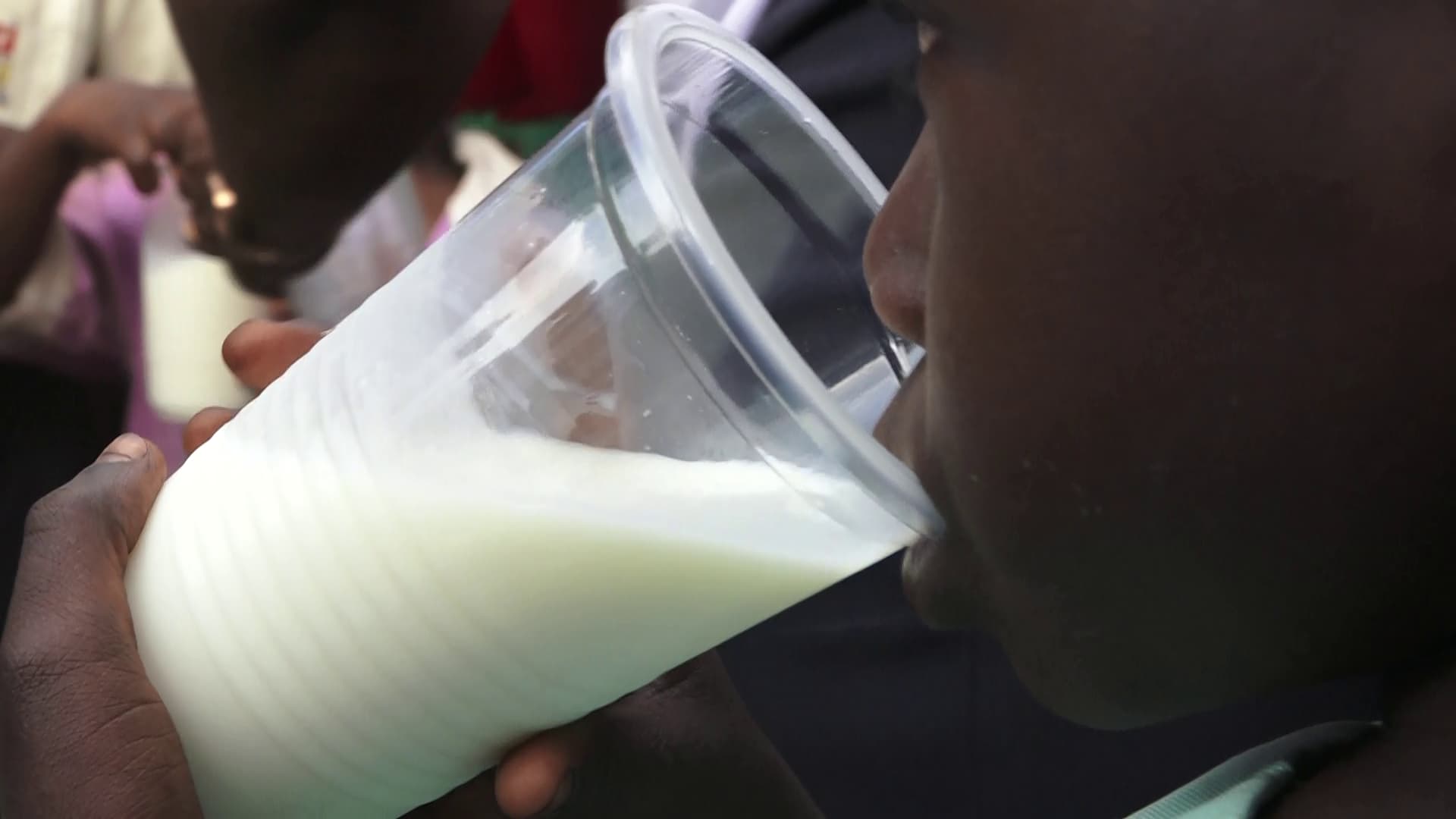
Food and nutrition experts have issued strong warnings against the consumption of raw milk, citing health risks and concerns over adulteration by traders seeking to maximize profits.
According to experts, raw milk is often not skimmed to remove cream and fat, which can contribute to health issues such as obesity.
"We have had many cases where some people say my body keeps on gaining unnecessary weight every time I take milk. When you ask them what type of milk they consume, they admit it’s raw milk or amakamo," said Cleophus Atwijukire, a nutritionist in Mbarara City.
He noted that, before the rise of milk processing factories, most people consumed milk in its raw form, but that trend is changing as more consumers shift to processed milk with lower fat content.
Despite this shift, some consumers continue to drink raw milk, unaware of the potential health risks.
Dairy experts, including Stephen Ayikiriza, a specialist with the Dutch-based organization SNV TIDE, warn that raw milk is frequently adulterated by unscrupulous traders.
"Milk is now being adulterated by unscrupulous traders who have a tendency to sell substandard milk to unsuspecting consumers," Ayikiriza stated, urging consumers to avoid spending their money on inferior quality products.
Ayikiriza emphasized the importance of switching to processed milk, which is tested, pasteurized, skimmed, and packed to meet strict consumption standards.
"Processed milk has a long shelf life and is safe for consumption," he added.
Sydney Mark Wamala, the quality assurance manager at Lakeside Dairies, echoed these sentiments, emphasizing the factory’s commitment to high-quality products.
"We don’t condone adulterated milk. When a supplier delivers milk, we test it to ensure it meets our quality standards before accepting it. We prioritize maintaining the highest standards," Wamala said.
As Uganda seeks to promote safe milk consumption, statistics reveal that the country's per capita milk consumption stands at just 63 liters, far below the World Health Organisation’s recommended 200 liters.
The Western region produces only 46% of Uganda’s total milk, which currently amounts to 3.8 billion liters annually, with much of it being exported after processing.
Experts are calling on the government to focus more on increasing local milk consumption, arguing that such efforts could generate revenue significantly higher than what is earned from exports.
"It is better and advisable that we buy milk which everyone can consume, whether they are tourists or locals enjoying it at the table," Ayikiriza concluded.
