
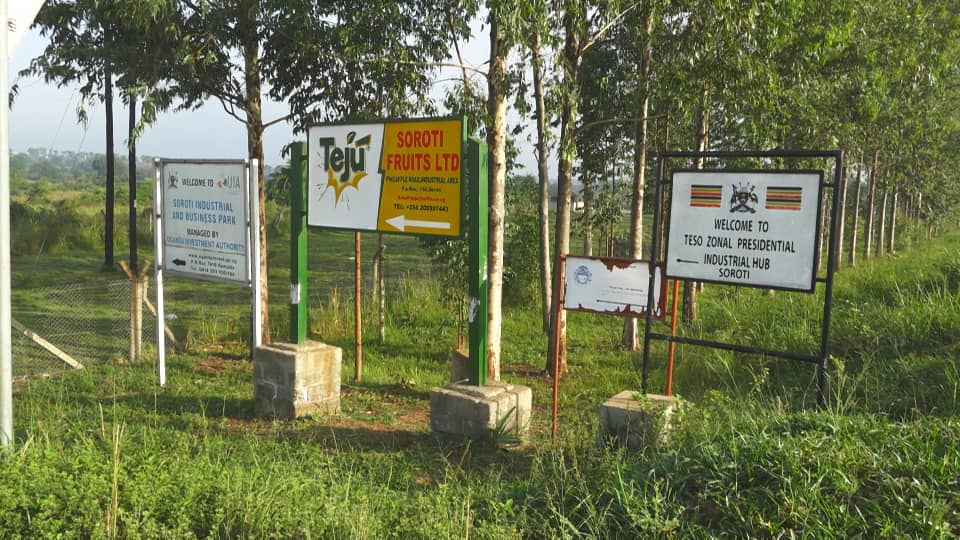
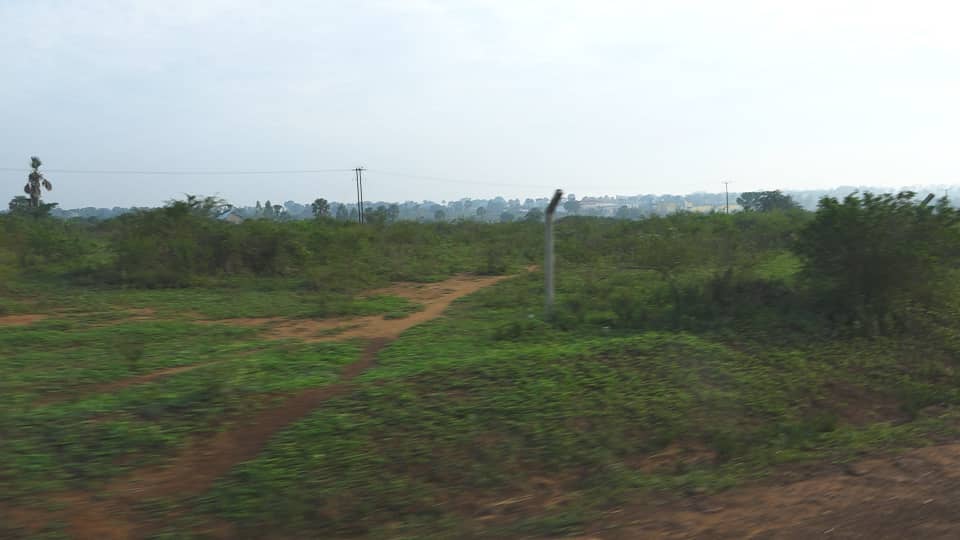
What was once envisioned as the heartbeat of industrial revival in Teso Sub-region has instead become a grazing field for cattle. And probably a few idle ghosts.
Fourteen years after land was secured for the establishment of Soroti Industrial Park, much of the 219 acres in Arapai Sub-county remains undeveloped.
Stakeholders in Soroti City are now openly questioning the delays and calling on government to repossess idle plots allocated to private investors who have failed to establish factories.
The industrial park, under the stewardship of the Uganda Investment Authority (UIA), was part of a broader government strategy to set up 12 industrial parks across the country to promote value addition and create employment.
In 2012, UIA secured the land and allocated plots to 13 private firms, including Teso Fruit Factory (TEJU), Uganda Groundnuts Initiative, Tropical Crops Initiative, and Uganda Prison Services.
The project was projected to create up to 25,000 direct and indirect jobs for youth within and beyond Soroti.
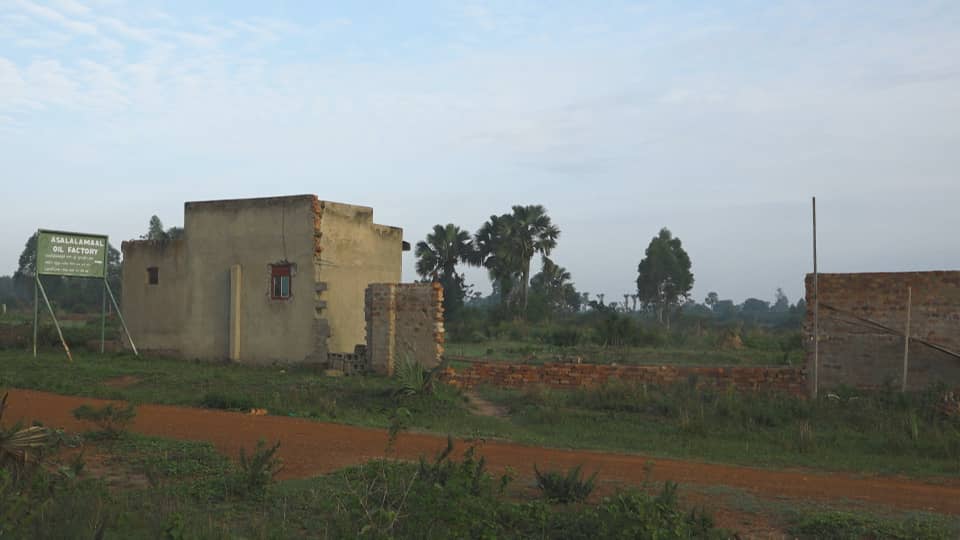
But today, only a handful of factories stand, and even those are struggling.
Benson Ekue, a Soroti City stakeholder, acknowledges that the policy of establishing industrial parks was well-intentioned.
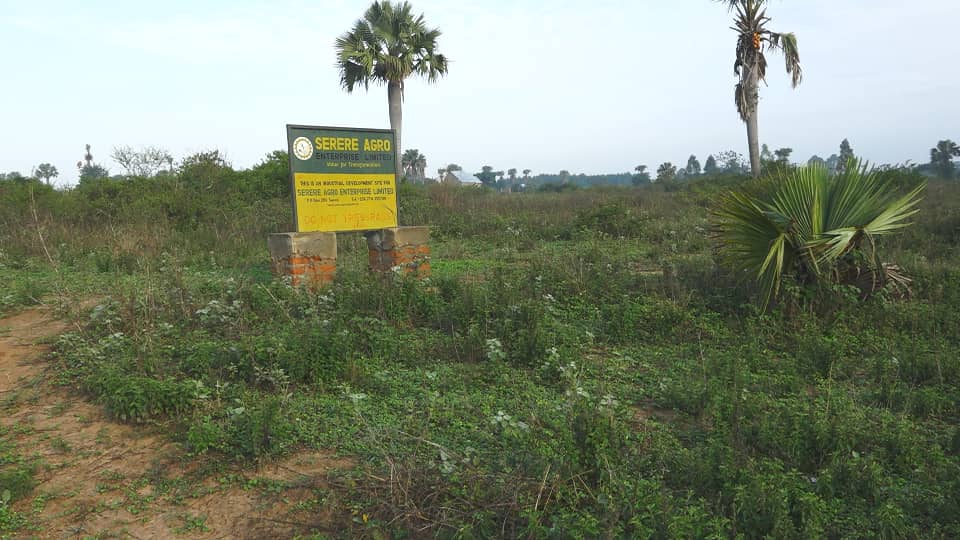
“Establishment of industrial parks across the country is a very good development,” Ekue says. “But ours has largely remained a bush. There are only two or three factories there in the last 15 years.”
Ekue blames weak enforcement of policy guidelines that require investors to develop allocated plots within five years or risk repossession.
“The policy says if you have not developed a plot in five years, it should be given to another person. What has happened?” he questions.
Stakeholders argue that beyond enforcement failures, Uganda’s tax regime and policy environment are discouraging local investors.
Ekue points to heavy taxation, high capital acquisition costs, and bureaucratic hurdles, including certification processes by the Uganda National Bureau of Standards, as barriers to industrial growth.
He references the relocation of British American Tobacco’s operations from Uganda to Nairobi, arguing that harsh tax policies are driving investors away.
“The tax regime is so harsh. The policy environment is excruciating for businesses,” he says.
Ekue suggests government should draw lessons from 1967 when industrialization was backed by strong state institutions such as the Uganda Development Corporation (UDC) and development banking structures that supported local enterprises.
Although government has revived UDC and strengthened the Uganda Development Bank, stakeholders say these institutions are not sufficiently facilitated to drive grassroots industrialization.
Soroti Industrial Park carries deep historical significance. During the leadership of Milton Obote, a meat processing plant was established in Arapai, transforming Soroti into one of the most vibrant industrial centers in the Great Lakes region.
The plant processed and packed meat, transformed hides and skins into finished leather products, and manufactured by-products such as belts and crafts — boosting the entire cattle value chain in Teso.
However, locals attribute its collapse to post-independence political instability, including the regime of Idi Amin (1971–1979), the second Obote government (1980–1985), and the anti-NRA insurgencies between 1987 and 1989.
These periods destabilized the regional economy and reversed industrial gains.
By 2001, government shifted focus toward agricultural revival, encouraging orange growing to feed into a proposed juice processing plant, eventually leading to the establishment of TEJU.
Yet even TEJU, now considered a beacon of hope for citrus farmers, continues to face operational and financial hurdles.
Soroti City Deputy Town Clerk Joseph Mwesigwa clarifies that the industrial park remains under UIA authority.
“The land was carved out and the industrial park is under the Uganda Investment Authority. We don’t have exclusive authority over that area,” Mwesigwa explains.
He says electricity infrastructure has since been extended to the park and that city leadership is working with UIA and national political leaders to attract more investors.
Looking at Soroti’s strategic position as a regional hub serving the Teso sub-region, Mwesigwa says the city has strong potential in meat packing, cereal processing, groundnuts, beans, and sorghum value addition.
“We don’t have reservations that this place will not develop,” he says optimistically.
Soroti City Resident Commissioner John Michael Okurut warns that delays in operationalizing the industrial park are worsening unemployment.
“Most other regions have benefited from industrial parks. Industries have been set up and youth have access to employment,” Okurut notes. “When we do not have industries, we have a challenge of unemployment. And unemployment comes with many challenges.”
Okurut also points to past leadership gaps and expresses hope that newly elected leaders, including Calvin Echodu, will fast-track transformation efforts.
Despite policy frameworks, allocated land, and strategic potential, Soroti Industrial Park remains largely idle — a symbol of stalled ambition.
Stakeholders are now demanding that government:
- Repossess undeveloped plots from absentee investors
- Enforce the five-year development policy
- Reform the tax regime to ease pressure on local manufacturers
- Provide affordable capital through state-backed financial institutions
- Protect local industries from unfair imports
For many in Soroti, the question is no longer about potential but about political will and enforcement.
