
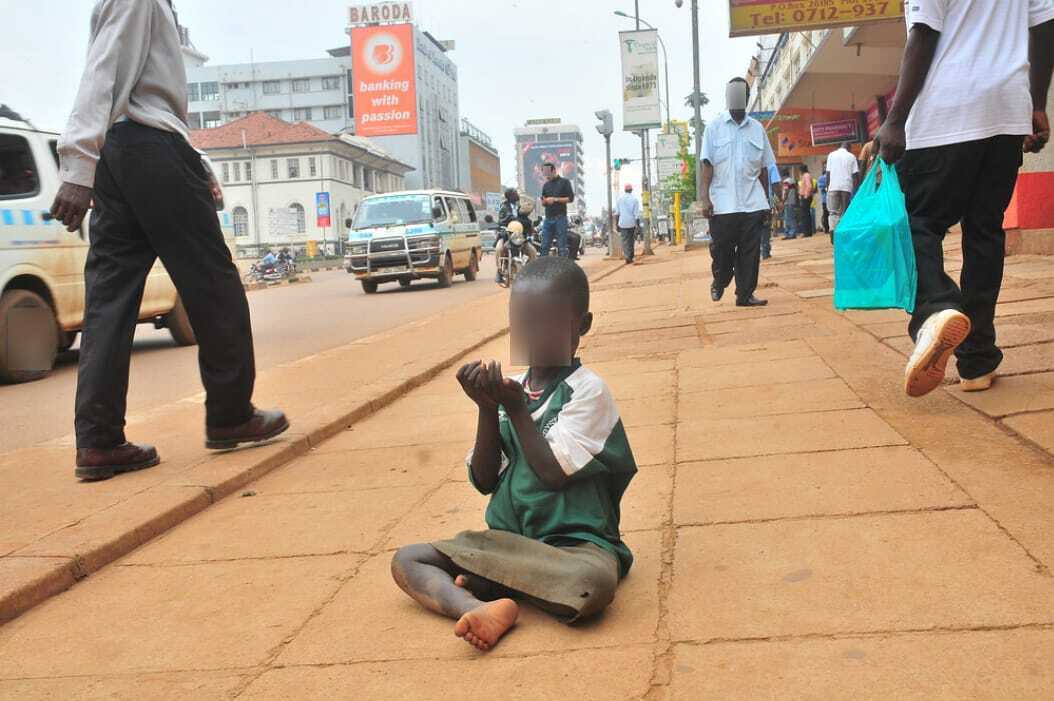
On any given day in Kampala, the sight of street children begging is impossible to ignore. Some are barely five years old, weaving through traffic at busy junctions, palms stretched out for a few coins, scraps of food, or anything a passerby might spare.
They are part of a growing population whose numbers continue to rise despite government rescue operations and rehabilitation efforts.
Vulnerable to drug abuse, violence, and exploitation, their lives unfold in full view of the city yet remain largely invisible in policy and society.
Many of these children are trafficked from Karamoja and other regions, pushed into the streets by poverty, family breakdown, or manipulation by adults who profit from their suffering.
Others arrive in Kampala chasing false promises of opportunity, only to be trapped in child labour and survival gangs.
“We’ve intensified rescue operations,” said Daniel Kaseregenyi, Deputy Director of Gender and Community Services at Kampala Capital City Authority (KCCA).
“Children are being taken to rehabilitation centres like Masulita and Koblin. Our Child Protection Ordinance of 2022 makes it illegal not only to exploit children for begging but also for the public to give them money on the streets.”
But child rights advocates say the problem runs much deeper.
“Poverty and family disintegration are often overlooked,” said Damon Wamala, head of the Uganda Child Rights NGO Network.
“These children don’t just come from Karamoja, they’re from Buganda, Busoga, and across the country. Many flee abuse at home, only to be absorbed into street gangs. These gangs become their families, with traffickers taking the role of caregivers while exploiting them.”
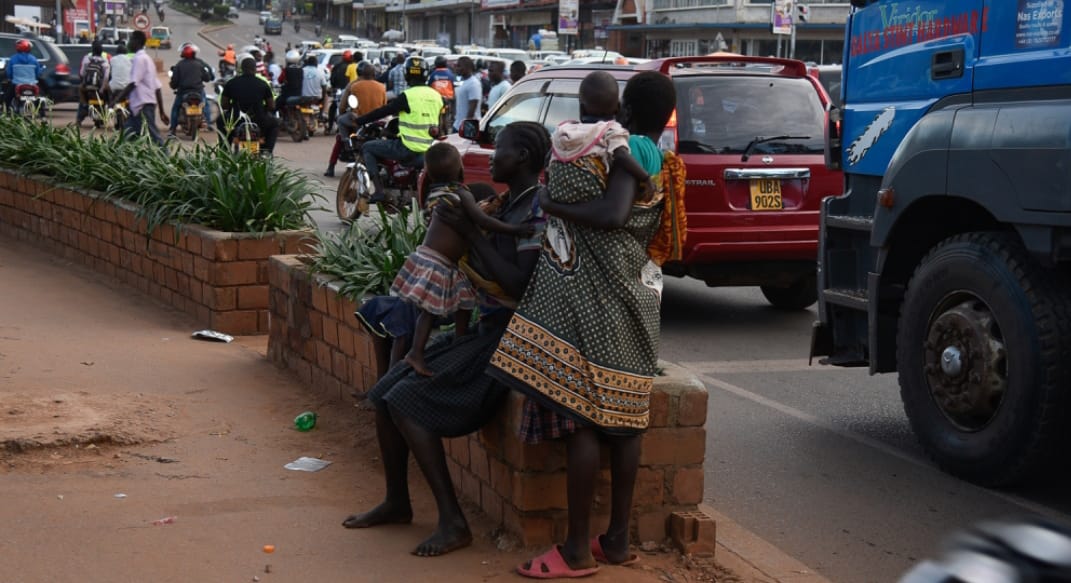
Wamala described harrowing accounts of children forced to beg by day and pushed into theft or sex work by night.
Others are trafficked beyond Uganda’s borders, some ending up in Nairobi’s underground sex trade.
He believes cultural institutions and clan leaders must be more involved in reintegration, helping children regain a sense of belonging.
Even well-meaning acts of compassion can worsen the problem. Handouts of food or money often enrich traffickers rather than helping the children themselves. Both KCCA and child rights groups warn that this fuels the very exploitation the public hopes to ease.
Rehabilitation, meanwhile, is a long and difficult process.
“The trauma these children carry doesn’t vanish in a year,” Wamala stressed. “It takes time, consistent care, and investment. It’s not just the government’s responsibility. Communities, cultural leaders, and ordinary Ugandans must be part of the solution.”
For now, Kampala’s streets remain home to hundreds of children, each one a reminder of the country’s unfinished duty.
Authorities continue to call for stricter enforcement of child protection laws and expanded rehabilitation programmes. But until the root causes—poverty, family collapse, and trafficking—are addressed, Uganda’s forgotten children will keep slipping through the cracks.
