
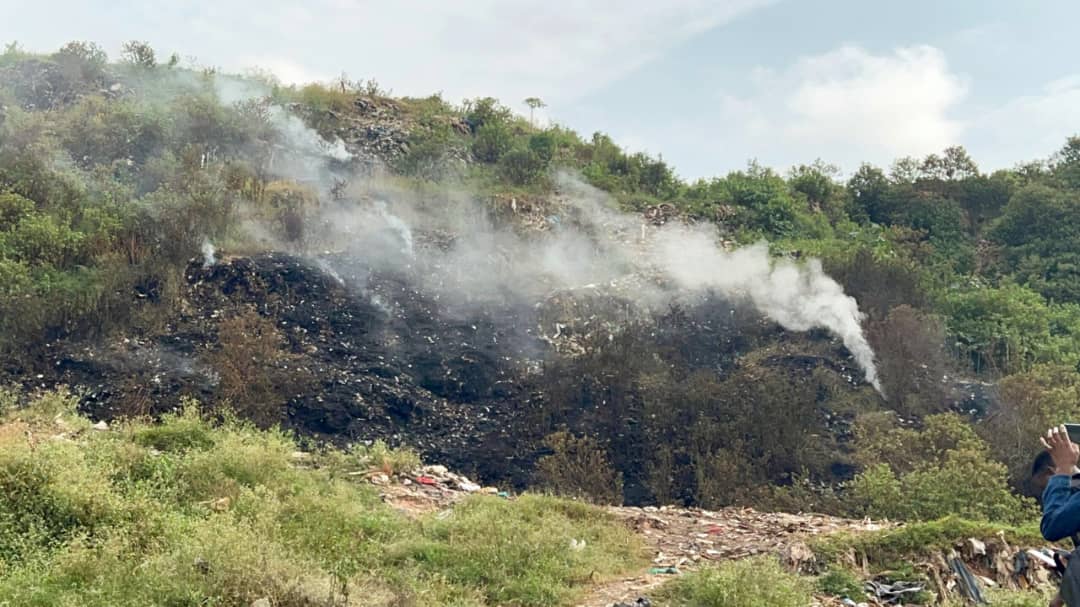
A year ago, in Kiteezi, a towering mountain of garbage suddenly collapsed, crushing homes and burying families beneath tons of waste.
For survivors, the disaster did not end with the landslide—it was only the beginning of a harsh struggle.
The Kampala Capital City Authority (KCCA) described the disaster as a “tragic landfill failure” and set up a survivors’ camp within days. But not everyone affected made it into the camp.
Isaac Tushabemukama, who lost everything that day, was among those left out. While many survivors were taken to the camp, Isaac and a small group stayed behind—not to save themselves but to pull out the bodies of neighbors and loved ones trapped in the debris.
“There was no one going in. No KCCA, no Red Cross. They brought excavators, but those can’t go deep. We went in ourselves and pulled our people out,” Isaac recounts.
They worked with bare hands, pulling the injured from under heaps of waste, retrieving those trapped, and carrying out the dead while official responders kept their distance.
“These were our friends, our neighbors, the people we hustled with every day. There’s no way we could just walk away,” he says.
That bravery came at a heavy price. Because they stayed behind to help, they missed camp registration for victims and were denied access to relief supplies.
Every donation—food, sugar, water, soap—went only to those officially registered.
“Even when others vouched for us, saying we had been digging all along, they wouldn’t let us in.”
Isaac describes the registration process as chaotic and susceptible to abuse. He claims some people from unaffected nearby areas, who had come only to watch, were counted as survivors and received full access to camp relief.
__________________________________________
Kiteezi Landfill Collapse: Timeline of Events
- August 9, 2024: Garbage mountain collapses at Kiteezi landfill, crushing homes.
- Within days: KCCA establishes survivor camp; many victims register, some volunteers excluded.
- Two weeks later: KCCA issues job letters promising daily pay for recovery workers.
- Months after: Volunteers continue work but receive no pay.
- August 2025: Volunteers still unpaid, while KCCA disputes claims and insists all payments were made or allowances provided.
____________________________________________
Four Months of Work, Not a Shilling Paid
Two weeks after the disaster, KCCA changed course. Impressed by the volunteers’ dedication, the authority issued job letters for recovery operations.
The promise: Shs30,000 per day for 120 days, totaling Shs3.6 million per worker. But the money never came.
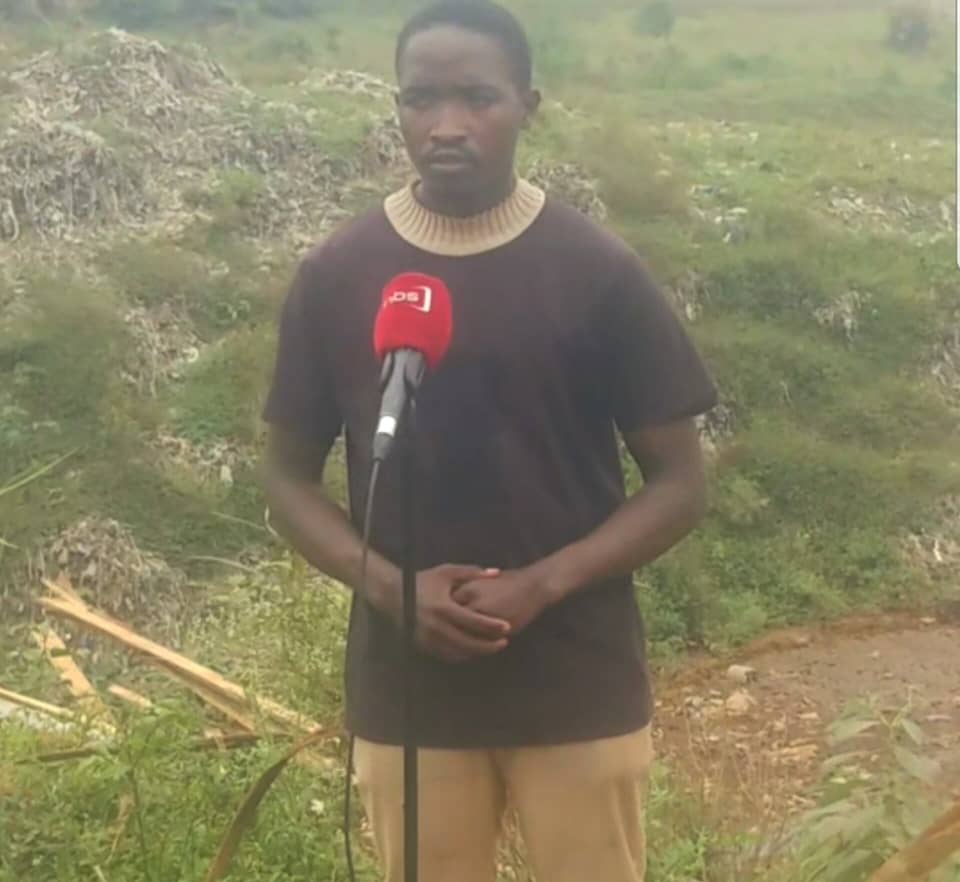
“Every day, we signed in. Every day, we worked. We pulled out rotting bodies with our bare hands for months, believing we’d be paid. Nothing came,” Isaac says.
After months of back-and-forth, the volunteers confronted Engineer Paul Adude from KCCA, who reportedly appeared shocked.
He said he was unaware they were still waiting for payment—showing clearly the issue was not a priority. Many volunteers had already given up hope.
“We wanted to sue. But court is expensive. We can’t afford lawyers. So we’re just sent around in circles.”
KCCA spokesperson Daniel Muhumuza Nuwabiine disputed the volunteers’ account, saying no employment records exist at the claimed rate.
“Do they have a copy of that job letter? We do not have any category of employment, casual or otherwise, with that figure of Shs30,000 [per day]," he said.
"Our casuals range between Shs15,000, Shs35,000, and about Shs100,000 per day. The figure of Shs30,000 is not in our system.
"Even so, the people who supported both local councils and volunteers were given allowances and provided lunch during the work period, but we have no contractual obligations with them.”
He added that the operation mainly relied on about 20 to 30 volunteers who were either given lunch or paid cash for support.
“All of them were paid, except about four or five whose phone numbers did not match their registered names," Nuwabiine said.
"They were advised on an alternative process to claim their money, which they did not follow. Everybody who supported in the Kiteezi challenge was either paid or given a meal.”
A History of Loss
The Kiteezi tragedy was not Isaac’s first bitter encounter with KCCA.
In 2023, Isaac ran two chapati stands and a secondhand clothing stall in Kawempe, earning about 20,000 shillings daily—enough for a modest living.
One day, KCCA enforcement officers swept through without warning and confiscated everything.
When Isaac and other vendors tried to reclaim their property, they were told bluntly: “We know you boys support NUP. Go to Kyagulanyi and ask him to start you another business.”
With no livelihood, no compensation, and nowhere to sleep after the landfill collapse, Isaac turned to roadside odd jobs just to survive.
Still Waiting
Today, KCCA talks of “victim compensation,” but Isaac and others like him—never officially registered—remain excluded, unpaid for the rescue work they risked their lives to perform.
Many have abandoned the fight, but Isaac and a few determined others continue to push relentlessly to receive the wages they say they earned and recognition for their sacrifice.
