
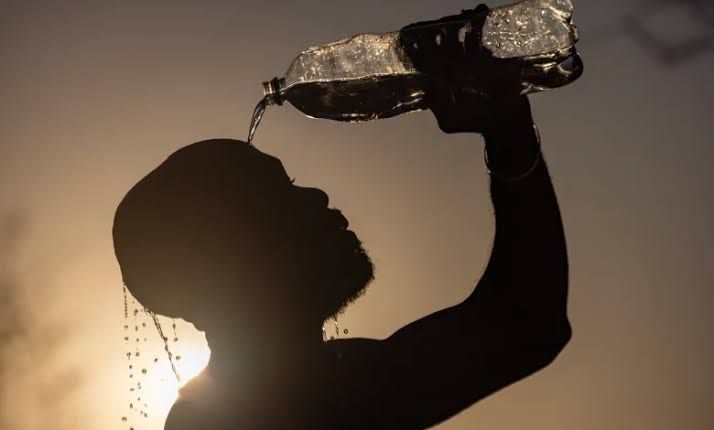
Environmental activist and founder of the Green Nurturing Youth Association (GNYA), Fredrick Lutaaya, has warned that the persistent scorching temperatures being experienced across Uganda are a sign that the country’s environment is under increasing pressure due to continued degradation.
Lutaaya said the current heat conditions should not be dismissed as a normal hot season but treated as a wake-up call for government, communities and individuals to take urgent measures to protect the environment.
According to him, the destruction of forests, wetlands and other natural ecosystems has contributed significantly to rising temperatures, prolonged droughts and unpredictable rainfall patterns that continue to affect livelihoods across the country.
He noted that Uganda has lost about 41.6 percent of its forest cover over the past century, leaving forests covering only 18.4 percent of the country’s total land area. He further said that between 1990 and 2015, Uganda lost an average of 122,000 hectares of forest annually, while nearly 41 percent of the country’s land is currently degraded.
Lutaaya explained that forests and wetlands play a critical role in regulating temperatures by absorbing carbon dioxide, releasing oxygen and conserving water resources. Their destruction, he said, has weakened Uganda’s ability to withstand the growing impacts of climate change.
He attributed the continued environmental decline to illegal logging, charcoal burning, wetland encroachment, poor waste management, uncontrolled urban expansion and unsustainable agricultural practices.
The environmentalist also pointed to rapid urbanisation as a major contributor to rising temperatures, noting that the replacement of vegetation with concrete structures and paved surfaces in towns and cities has intensified the urban heat island effect, causing unusually high temperatures in urban areas.
He warned that prolonged exposure to extreme heat poses serious health risks, including dehydration, heat exhaustion and cardiovascular complications. He added that high temperatures also affect labour productivity, agricultural output, livestock production and increase pressure on water resources.
To address the challenge, Lutaaya urged government to strengthen enforcement against illegal deforestation and wetland encroachment, increase investment in forest restoration programmes, promote clean energy alternatives and support climate-smart agricultural practices.
He called on local governments to prioritise urban greening initiatives by protecting public parks, conserving green spaces and increasing tree planting along roads and in residential areas.
Lutaaya also appealed to households, schools, religious institutions, civil society organisations and private sector players to take part in environmental conservation efforts through tree planting, wetland protection, proper waste disposal, rainwater harvesting and environmental awareness campaigns.
He stressed that environmental protection should not be viewed as the sole responsibility of government but as a collective duty for all Ugandans.
"The intense heat we are experiencing today should awaken our collective conscience. By protecting nature, we are ultimately protecting ourselves and future generations," Lutaaya said.
