
The United States’ decision to slap sanctions on the Rwanda Defence Force and four of its senior commanders over alleged support to the March 23 Movement rebels marks an unprecedented moment in the geopolitics of the Great Lakes and raises uncomfortable questions about Rwanda’s role on the continent, particularly as one of the world’s most committed peacekeeping contributors.
Washington’s asset freezes and transaction bans, issued through the Office of Foreign Assets Control, have targeted General Mubarakh Muganga, Major General Vincent Nyakarundi, Major General Ruki Karusisi and Brigadier General Stanislas Gashugi, freezing their property under US jurisdiction and barring U.S. persons from dealing with them.
The move is a direct consequence of what US officials describe as Kigali’s violation of a peace deal brokered in Washington late last year and its alleged backing of M23 in eastern Democratic Republic of Congo.
For years Rwanda has cultivated an international reputation not just as a rapidly developing East African nation but also as a serious contributor to United Nations peacekeeping missions.
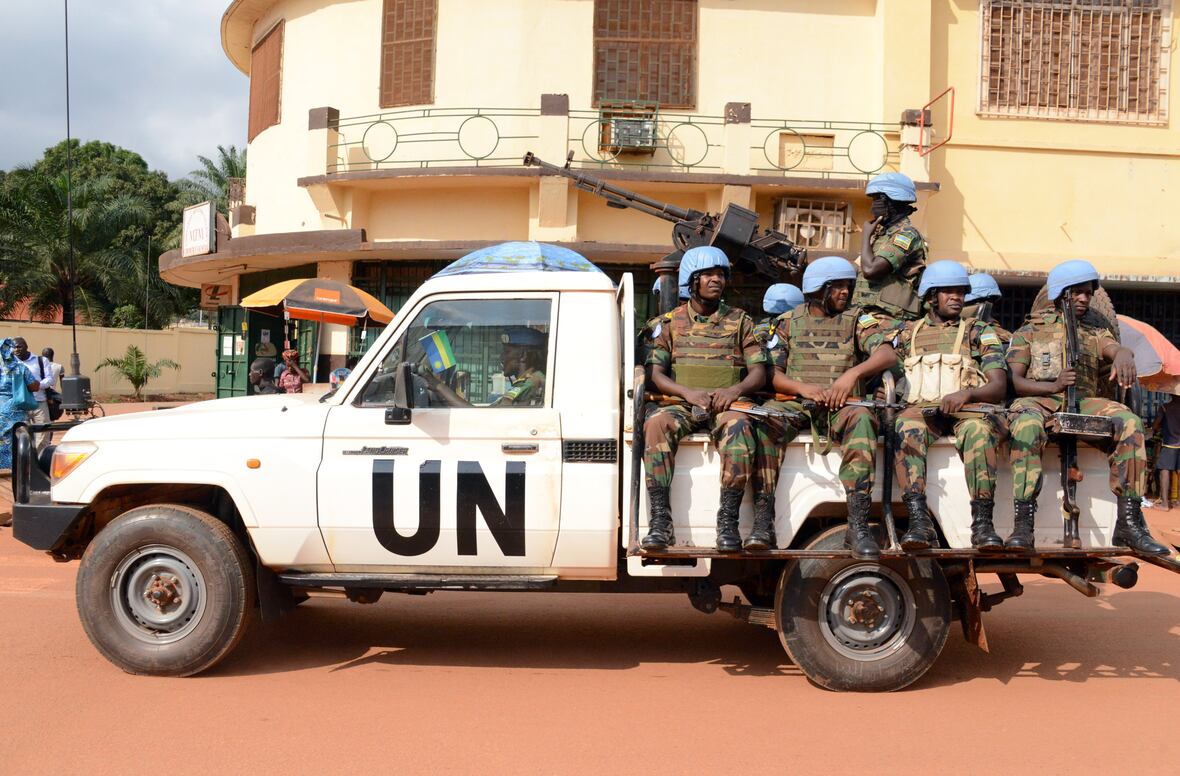
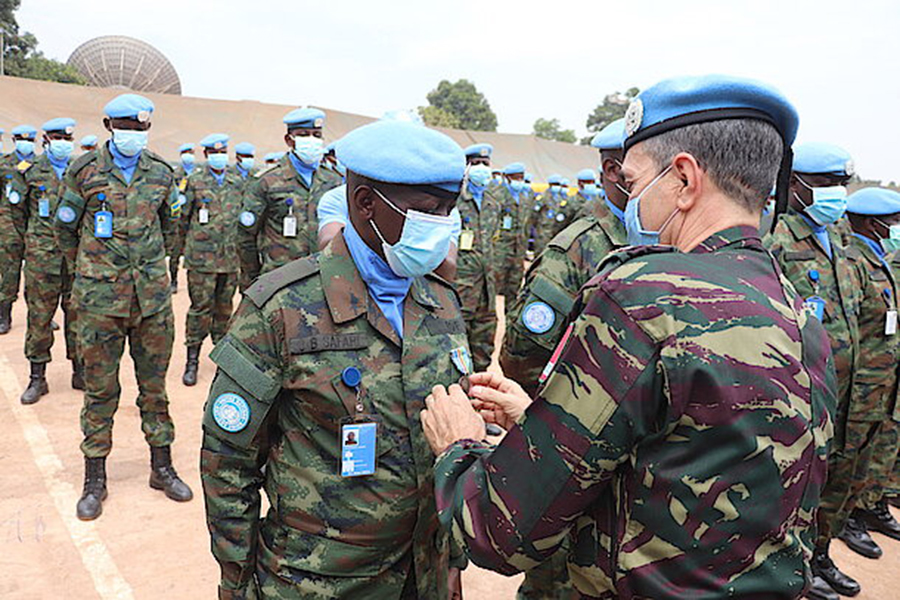
It is currently among the largest troop and police contributors to UN operations, with around 4,685 contingent troops and more than 1,100 police peacekeepers deployed in missions such as the United Nations Mission in South Sudan and the United Nations Multidimensional Integrated Stabilization Mission in the Central African Republic.
Rwandan forces also serve under bilateral or regional arrangements, including the joint security operation in Mozambique’s Cabo Delgado province alongside Southern African partners.
These deployments have been a pillar of Kigali’s foreign policy and global security profile, reinforcing alliances and soft power while providing valuable operational experience for the RDF.
The sanctions, while not directly dismantling these peacekeeping commitments, could strain them over time. Senior commanders, now cut off from Western financial systems, may find it harder to coordinate logistics, secure funding or move resources in theatres where compliance with international banking norms is essential.
Beyond practical financial constraints, there is also the question of diplomatic stigma. Nations contributing to peacekeeping operations do so not just through boots on the ground but through credibility and trust.
Sanctioning the same military and its leadership — especially in a climate of contested narratives about Rwanda’s actions in Congo — may deter some partners from hosting or increasing Rwandan contingents, particularly if those partners rely on American support or fear secondary sanctions.
The effect could be subtle at first, seen more in reluctance to renew mandates or reduced coordination, but over time it could chip away at Rwanda’s standing within peacekeeping circles.
Even so, the US may find itself moderating its stance if Rwanda follows through on withdrawing from its missions in CAR and South Sudan and if there is no viable military force to fill the resulting security vacuum.
The government of President Félix Tshisekedi in Kinshasa and its Western backers have long pointed to Rwanda’s involvement with M23 as a threat to Congolese sovereignty, pushing for punitive measures that include sanctions and diplomatic isolation for Kigali.
Rwanda has consistently argued that it only put boots in parts of eastern DR Congo to provide adequate bunkers between its borders and the marauding genodical FDLR militias who are now embedded within and working with the Congolese national army, FARDC.
Beyond political lobbying, Kinshasa has floated access to its vast mineral wealth, offering Western powers involvement in lucrative mining sectors — including coltan and other strategic minerals concentrated in North Kivu’s Rubaya — as part of broader cooperation deals designed to counter foreign competitors and garner support against M23.
While specific terms such as “40–60 rights” to these resources have circulated in political commentary, the essence is clear: the Congolese government has actively fostered Western engagement by linking security cooperation to mineral access, leveraging its resource base to amplify pressure on Rwanda.
Rwanda’s peacekeeping role is significant not only because of the numbers it contributes but because of how those deployments shape perceptions of African-led security solutions.
A diminished RDF role — whether through reputational damage, reduced financing or operational constraints induced by sanctions — could leave gaps in missions where Rwandan troops have been reliable stabilizing forces.
In South Sudan and the Central African Republic, for instance, Rwandan contingents have formed substantial parts of multinational battalions tasked with protecting civilians and supporting fragile state institutions.
Their absence, or a visible reduction in force effectiveness, could embolden spoilers and nonstate armed actors, reversing hard‑won gains in these fragile theatres.
At the same time, Kigali decries US accusations, arguing that sanctions unfairly single out one party and misrepresent a complex conflict in eastern Congo involving multiple actors, including the Congolese army and allied militias.
Rwanda has insisted that any troop withdrawal from DR Congo should occur in parallel with Kinshasa fulfilling its own commitments under peace accords - including abandoning the genocidal FDLR militia -, a stance that echoes its broader diplomatic push for what it calls an “even‑handed” approach from international partners.
It is in this strategic tension — between sanctions as leverage and the practical need for stability across several conflict zones — that the future of Rwanda’s peacekeeping contributions will be tested.
Comparatively, sanctions of this breadth against an African military command structure are rare. Previous sanctions on African states have tended to target individuals, specific entities or sectors such as minerals, but seldom an entire national defence apparatus alongside its top leaders.
This indicates the level of frustration among Washington and Kinshasa with the status quo in eastern Congo. Yet the unfolding dynamics suggest that US policy may evolve.
Should Rwanda disengage effectively from its missions and demonstrate a shift in behaviour, Washington could recalibrate its measures to preserve broader security cooperation, including peacekeeping missions where American and African interests align.
For the moment, however, the sanctions underscore a fraught chapter in regional security, one where geopolitical interests, resource politics and the demands of peacekeeping intersect in complex and unpredictable ways.
