
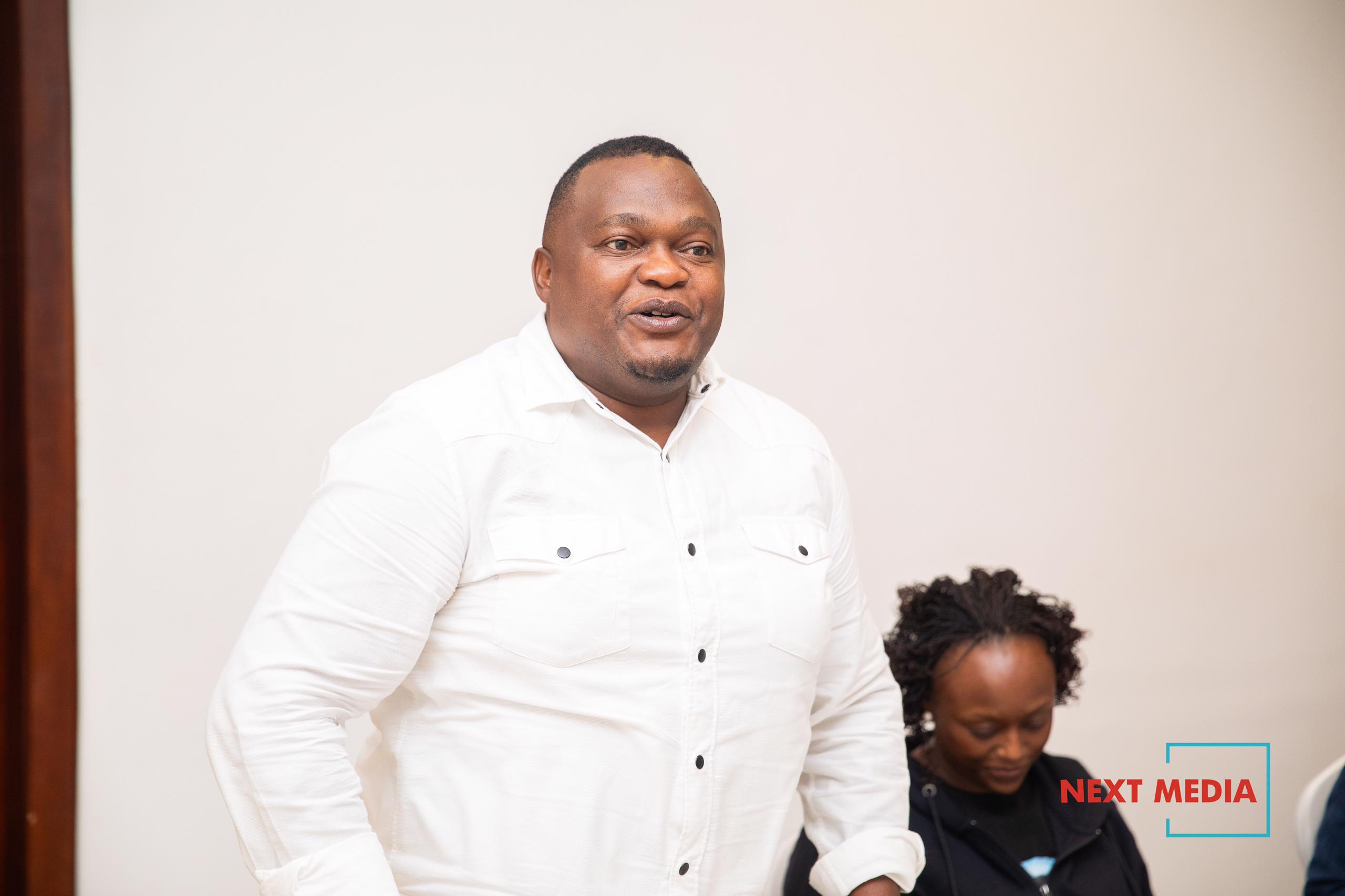
By Chris Wanobere | GM Broadcast, Next Media Services
In many Ugandan homes today, the television is on, the radio is playing, and at least one person is scrolling through TikTok or WhatsApp. News alerts compete with memes. A serious policy debate sits next to a dancing challenge. A forwarded voice note claims to reveal “what they are not telling you.”
This is not chaos. It is modern media life.
But beneath this new normal lies a deeper question: How do Ugandans decide what to believe?
The answer increasingly comes down to one skill - media literacy.
Media literacy is not about degrees or formal education. It is the everyday habit of asking simple but powerful questions:
- Who is saying this?
- Where did this information come from?
- What is the evidence?
- What might be the intention behind this message?
These questions sound small. But they quietly shape how we consume information.
There was a time when media consumption was straightforward. You tuned in to the 9pm bulletin. You read the morning newspaper. Information largely moved in one direction.
Today, information moves in every direction at once.
A rumour can start on a small blog, explode on TikTok, move through WhatsApp groups, and reach radio talk shows before the day ends. Media consumption is no longer passive. It is interactive, emotional, and immediate.
Where media literacy is weak, behaviour tends to follow a pattern:
- People share before verifying.
- They believe information that confirms existing views.
- They trust familiar voices over documented evidence.
- They react emotionally rather than critically.
Where media literacy is stronger, the pattern shifts:
- People cross-check across platforms.
- They distinguish between opinion and reporting.
- They notice when headlines are designed to provoke outrage.
- They pause before forwarding.
That pause is powerful. It changes everything.
In Uganda, WhatsApp has become one of the most influential information channels. It feels personal and trustworthy because messages come from friends, family members, church groups, or work colleagues.
That intimacy builds confidence. But it also makes the platform a fertile ground for misinformation.
When media literacy is weak, messages move quickly and widely. When media literacy is stronger, people begin to ask:
- Is this from a credible outlet?
- Is there a date attached?
- Has this been reported elsewhere?
- Who benefits from me believing this?
The behaviour shifts from automatic forwarding to intentional verification.
Misinformation spreads fast not because Ugandans are naïve, but because viral content is engineered to trigger emotion. Fear. Anger. Pride. Suspicion. Laughter. Emotion travels faster than evidence.
Media literacy does not remove emotion. It introduces reflection. It teaches people that not every urgent message is urgent, not every shocking claim is true, and not every trending topic is factual.
And this is where credible broadcast media still plays a critical role.
In a digital environment that moves at speed, trusted newsrooms provide verification, context, and accountability. The 9pm bulletin, the structured radio news hour, the investigative segment - these remain reference points where information is checked, framed responsibly, and placed in context. They do not compete with digital platforms. They anchor them.
Uganda’s digital infrastructure is expanding. Data bundles are more accessible. Smartphone penetration continues to grow. The volume of information will only increase.
The real question is whether critical thinking will grow at the same pace.
Uganda does not lack access to media. It is rich in voices, platforms, and opinions. What will determine the country’s information future is not how much content is produced, but how thoughtfully it is consumed.
In a nation where every phone is a publishing tool and every citizen is a potential broadcaster, the strongest defence against misinformation is not regulation alone.
It is a culture of questioning.
