
By Michelle Mugisha
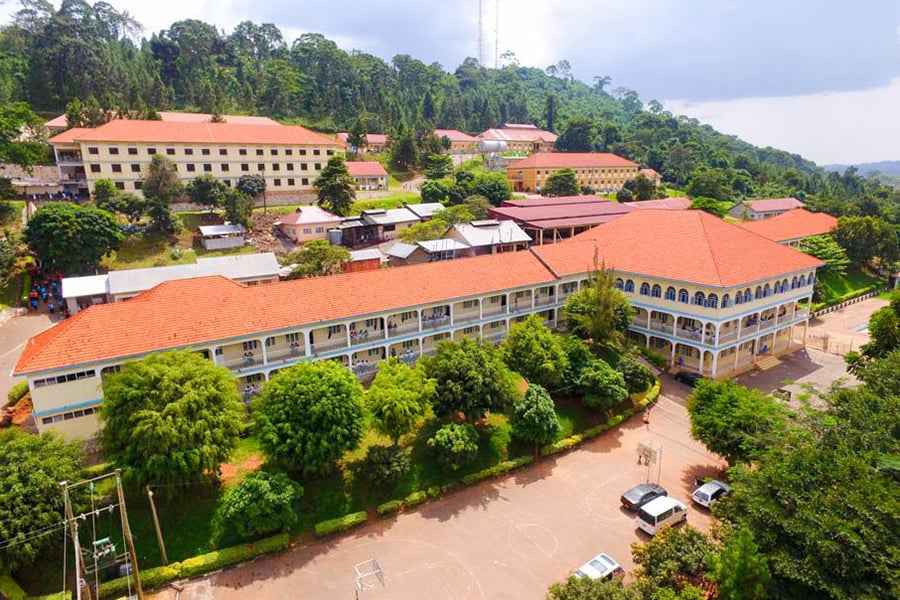
Another student has died at Seeta High School, Mbalala Campus—and once again, the silence is deafening.
Twenty-one-year-old Kevin Nsamba, a Senior Six student, drowned in the school’s swimming pool on a Sunday evening. His body wasn’t recovered until the following day. And despite the horror of the incident, the school has issued no public statement, no expression of condolence, and no explanation to the community it serves.
Tragically, this isn’t the first time the school has stood in silence while a family grieves. In 2024, another Seeta student reportedly died by suicide. Then, too, there was no official inquiry shared, no independent investigation, and no medical report provided to the family. The child was buried under a veil of unanswered questions, and the school moved on.
But the public hasn’t. And it shouldn’t.
What is emerging at Seeta is not a string of unfortunate events—it’s a crisis of accountability. And it reveals something more troubling about how some private institutions in Uganda handle tragedy: with opacity, evasion, and a dangerous disregard for public trust.
Parents are told to entrust schools like Seeta with their children’s health and safety. They fill out detailed medical forms at the start of each term, disclosing allergies, mental health conditions, chronic illnesses—because they’re promised that their children will be cared for in all circumstances.
But when a child dies, where is that same urgency? Where is the commitment to transparency? Is that medical information reviewed at all? Are health risks taken seriously? Or are these forms just filed away for compliance—only to be ignored when it matters most?
When a tragedy occurs and a school chooses silence over openness, it does more than insult grieving families. It creates space for misinformation, fear, and mistrust. And in Kevin Nsamba’s case, the timeline only deepens the unease: how does a student go missing on Sunday evening, and his body isn’t discovered until Monday afternoon—in the very same pool?
Yes, police have opened an investigation. Yes, the swimming trainer has been arrested. And yes, CCTV footage is under review. But none of this absolves the school of its responsibility to speak. It is not enough to leave communication to the authorities while administrators retreat behind their gates. Schools are not crime scenes; they are communities. And right now, that community is fractured.
The silence becomes even more indefensible when viewed against the backdrop of a national crisis. Drowning is one of Uganda’s top causes of accidental death, especially among children and youth. According to the Uganda Police Force, nearly 1,500 people drowned in 2024 alone. Many of them, like Kevin, died in settings that were supposed to be safe—schools, hotels, or poorly regulated public spaces.
Government recently launched a National Drowning Prevention Strategy, promising to enforce lifeguard deployment, routine pool inspections, and emergency preparedness in schools. But unless private institutions like Seeta are held accountable, the plan will remain a document, not a deterrent.
There are two possibilities here: either Kevin’s death was due to an undetected health condition or it was caused by negligence. In either case, the school owes the public the truth. If it was a preventable accident, then changes must follow—more training, better oversight, stricter safety protocols. If it wasn’t, then a transparent explanation is the minimum that grieving parents and the wider community deserve.
Two student deaths in under a year is not an unlucky coincidence—it’s a red flag. And schools that choose silence in these moments should not be allowed to simply carry on. Parents don’t just pay school fees. They place their trust in an institution to safeguard their children’s lives. When that trust is broken, it can only be rebuilt with truth, not PR statements or platitudes whispered in private.
Seeta Secondary School must speak. Not only for the sake of Kevin Nsamba’s family—but for every parent who is now left wondering: what would happen if it were my child?
Silence in the face of tragedy is not professionalism. It is cowardice.
And Uganda’s students deserve better.
