
Uganda’s rural radio stations are facing an escalating financial crisis, with many unable to break even as advertising revenues decline amid growing competition from global digital platforms, broadcasters have warned.
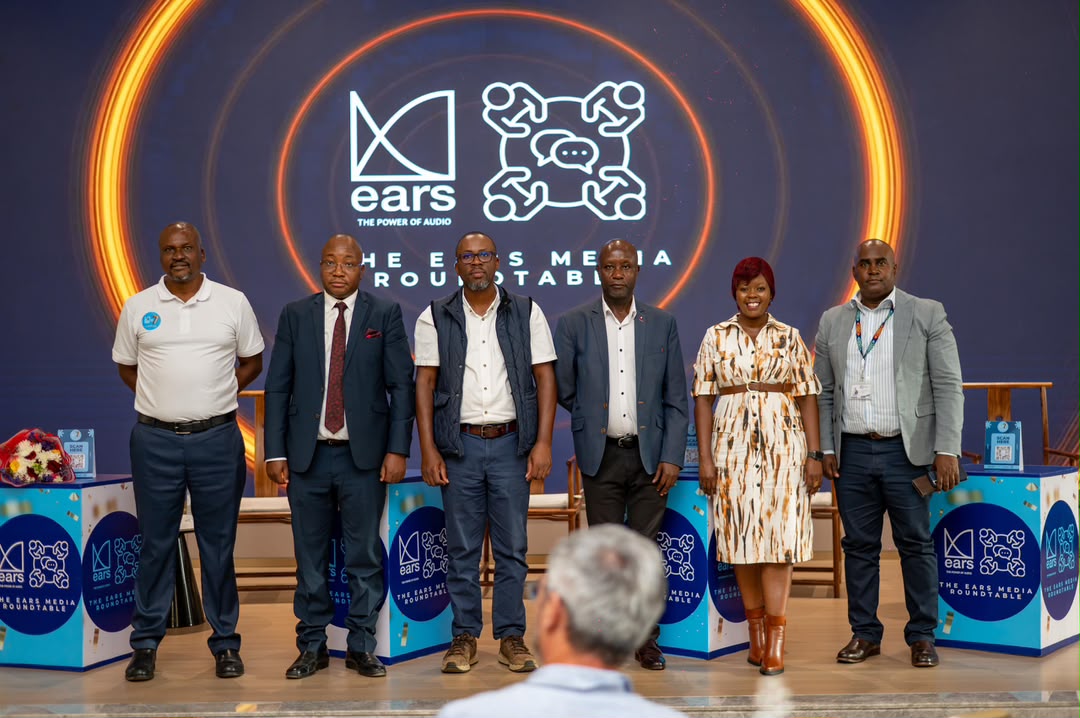
The concerns were raised during the seventh anniversary celebrations of East Africa Radio Advertising Services (EARS), where industry leaders said shrinking revenues, rising operating costs and the rapid growth in the number of radio stations are threatening the sustainability of community broadcasting.
The Chairman of the Rural Broadcasters Association of Uganda, Julius Tumusiime, said more than 200 radio stations are competing for a limited advertising market, leaving many struggling to remain operational.
“We have over 200 radio stations competing for advertising. Running a radio station in Uganda nowadays is not easy. Many stations cannot even break even,” Tumusiime said.
He said the financial strain has forced some stations to operate with minimal staff, resulting in employees taking on multiple responsibilities, including management, editing, announcing and accounting.
According to Tumusiime, the shortage of qualified personnel has affected the quality of programming and professionalism within the industry.
He also expressed concern that financial difficulties have made several struggling stations vulnerable to political ownership or funding.
“Many stations are being bought by politicians because the owners can no longer sustain them financially,” he said.
Tumusiime further cited high electricity costs and the expense of maintaining transmission equipment as additional burdens, particularly for broadcasters operating in rural areas.
Despite these challenges, he maintained that radio remains Uganda’s most accessible and influential mass communication platform because it delivers information in local languages to communities that are often beyond the reach of other media.
He called for interventions that would strengthen the financial sustainability of rural broadcasters, arguing that they continue to play a vital role in informing communities and supporting local development.
In response to the industry’s challenges, East Africa Radio Advertising Services launched a new digital platform designed to help radio stations expand their audiences and attract more advertising revenue.
Speaking at the launch, EARS Managing Director Douglas Mutumba said the new EARS App will enable listeners to access live broadcasts from radio stations across Uganda through a single mobile platform, including stations that do not currently operate their own online streaming services.
“Today we are launching the EARS App, where all radio stations, whether they have a live stream or not, can be accessed on one platform. We are helping radio move into the digital space where audiences and advertisers are spending their time,” Mutumba said.
He said local broadcasters are no longer competing primarily against one another, but against global technology companies that command an increasing share of advertising expenditure.
“The competition is from big tech companies like TikTok, Google and Meta. They are taking the advertising revenue, yet they don’t create local content,” he said.
Mutumba said EARS was established seven years ago to aggregate audiences from rural and community radio stations, enabling advertisers to purchase airtime across multiple stations through a single platform.
According to him, the company has channelled advertising revenue to more than 187 radio stations during that period, many of which had never previously benefited from national advertising campaigns.
He rejected claims that radio is losing relevance, saying audience data continues to show that it remains Uganda’s most widely consumed media platform, particularly outside major urban centres.
Mutumba urged advertisers to rely on local audience data when making investment decisions, arguing that strengthening local broadcasters through digital innovation would help sustain jobs, improve programming and ensure advertising spending continues to support Uganda’s media industry.
