
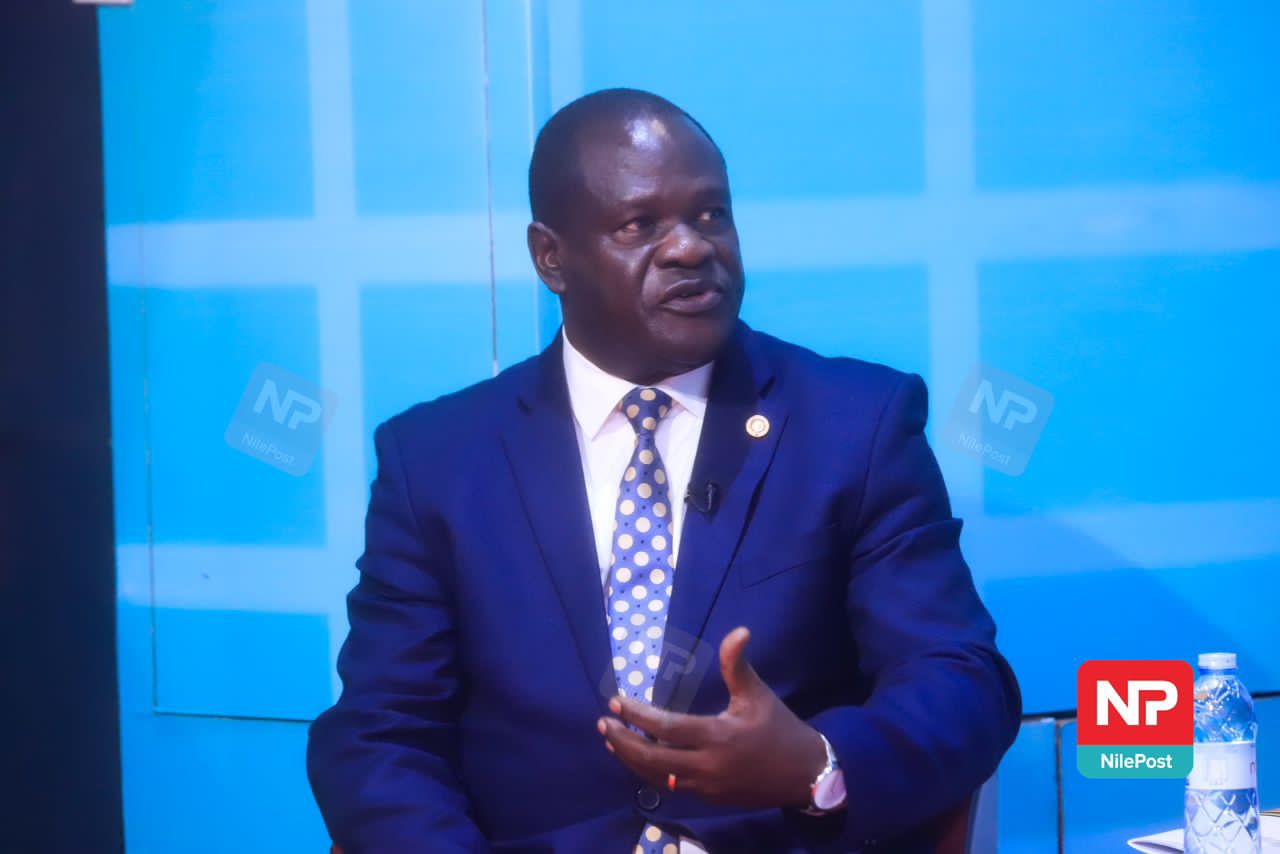
Uganda remains within its debt sustainability limits and the public should not be alarmed, Deputy Secretary to the Treasury Patrick Ocailap has said, amid growing concern over the country’s borrowing levels.
Ocailap noted that as of December 2025, the present value of Uganda’s public debt stood at approximately 46.6 percent of Gross Domestic Product (GDP), still below the 50 percent sustainability threshold.
“Uganda has not surpassed its debt ceiling, and Ugandans should not be worried,” he said, emphasizing that government borrowing remains within approved limits.
He added that authorities are increasingly deliberate in taking on new loans, ensuring they are aligned with economic growth priorities and guided by frameworks such as the Average Time to Maturity Strategy (ATMS).
According to Ocailap, Uganda’s debt portfolio is structured to ease short-term pressure, with repayment periods averaging between eight and nine years.
For the Treasury, he said, the critical issue is not the size of the debt alone but the country’s ability to meet its obligations.
“What matters is whether Uganda is meeting all its public debt obligations,” Ocailap said.
However, some economists argue that remaining below the threshold should not be the sole measure of sustainability. They caution that the quality of borrowing matters just as much as the quantity.
Analysts warn that heavy domestic borrowing could crowd out private sector access to credit and push up interest rates, ultimately slowing economic activity.
They instead call for a shift toward what they describe as “productive” or “good borrowing,” where loans are directed to sectors capable of generating returns, creating jobs, and driving long-term growth.
According to these experts, while Uganda may still be within its debt limits, the bigger challenge is ensuring that borrowed funds are invested in projects that deliver tangible economic value and strengthen the country’s development trajectory.
