
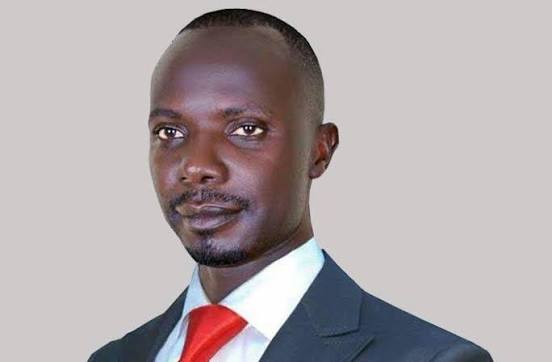
KAMPALA — The High Court has ordered a formal judicial inquest into the 2018 shooting of Yasin Kawuma, the driver of opposition leader Robert Kyagulanyi, popularly known as Bobi Wine, paving the way for a public inquiry into one of Uganda's most politically contentious unresolved killings.
In a ruling delivered on July 6, 2026, Justice Harriet Grace Magala directed the Chief Magistrate's Court in Arua to conduct an official inquest into Kawuma's death, saying it was "just and fair" and in the interests of justice, the deceased's family and the public to establish the facts surrounding the killing.
The ruling arose from Miscellaneous Cause No. 0008 of 2019, filed by Kawuma's widow, Alice Mwesigwa, who sought court intervention to compel the government to investigate the circumstances under which her husband was killed.
Mwesigwa had sued the then Minister of Internal Affairs, Gen. Jeje Odongo, and the Attorney General, asking court to direct the minister to appoint a coroner to conduct an inquest.
The Attorney General opposed the application, arguing that it was premature and improperly sought to compel the Executive to exercise its statutory powers.
State lawyers also challenged Mwesigwa's standing, noting that she had not personally witnessed the shooting.
Justice Magala rejected those objections, observing that the postmortem evidence confirmed Kawuma died from gunshot wounds and a severe brain injury, facts that were not disputed by the state.
While the judge agreed that the court could not compel the minister to appoint a coroner under the law, she held that the High Court has independent authority under the Inquests Act to order an inquest where circumstances justify it.
She subsequently designated the Chief Magistrate of Arua to conduct the inquiry.
"An inquest assists in finding answers to the circumstances surrounding the death of the person whose life was suspected to have been unjustly taken away," Justice Magala said in the ruling.
"It is not a criminal trial or a process to apportion guilt but a fact-finding exercise."
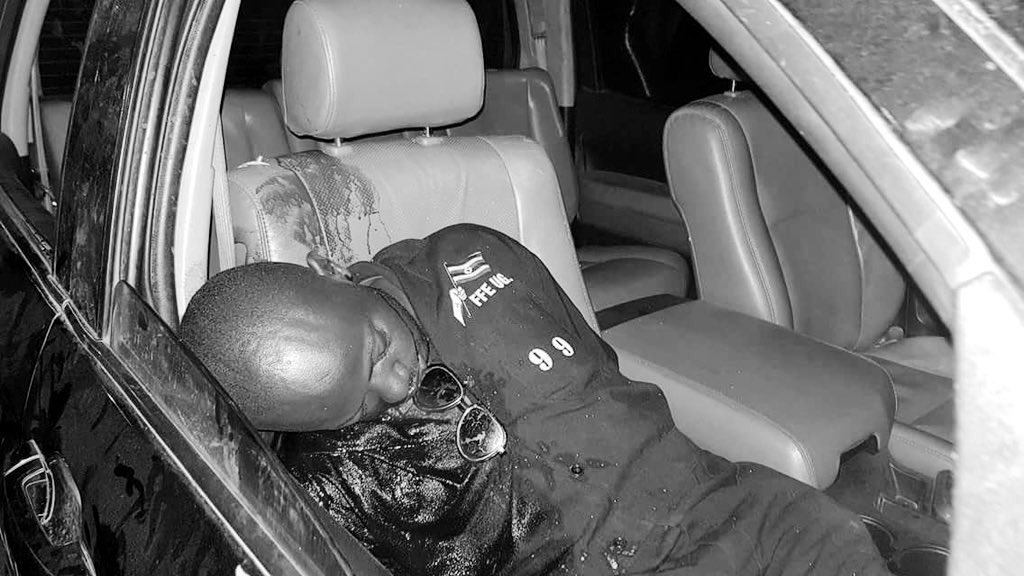
The order revives public attention to the events of August 13, 2018, during the hotly contested Arua Municipality parliamentary by-election campaigns.
At the time, Kyagulanyi, then the Member of Parliament for Kyaddondo East, had travelled to Arua to campaign for independent candidate Kassiano Wadri, who was contesting the by-election against candidates backed by the ruling National Resistance Movement.
Violence erupted as rival political processions converged in Arua town, with security forces clashing with opposition supporters amid allegations that stones had been thrown at President Yoweri Museveni's motorcade.
During the ensuing security operation, live ammunition was fired.
Kawuma was seated in the passenger seat of Kyagulanyi's Toyota Tundra outside Pacific Hotel in Arua when a bullet pierced the vehicle's windscreen, killing him instantly.
Images of Kawuma's body inside the vehicle quickly circulated across social media, triggering widespread public outrage.
In the aftermath of the incident, Kyagulanyi, several opposition Members of Parliament and dozens of supporters were arrested by security forces and later charged with treason. Those charges were subsequently withdrawn.
No individual has been prosecuted over Kawuma's killing.
In her application, Mwesigwa argued that because the shooting was widely alleged to have involved state security personnel, a public judicial inquiry was necessary to establish the facts.
Justice Magala also cited Article 22(1) of the Constitution, which protects the right to life, saying the violent and unnatural circumstances of Kawuma's death required judicial investigation.
The inquest before the Arua Chief Magistrate's Court will seek to establish the identity of the deceased and determine how, when and where he died.
As an inquest, the proceedings are intended to establish facts rather than determine criminal liability.
The court made no order as to costs.
