
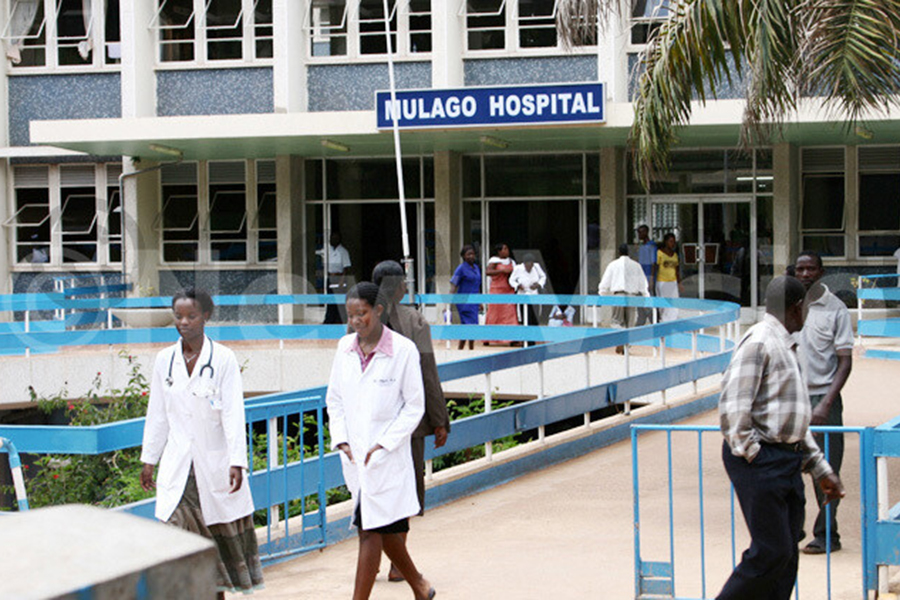
The Ministry of Health has launched investigations into reports of a shortage of cadavers in medical schools across Uganda, amid concerns that the situation could affect the quality of training for future medical professionals.
Health Minister Chris Baryomunsi said he was not yet aware of the reported shortage but pledged to engage relevant medical training institutions to establish the facts and address any gaps.
“I am not aware of the reported shortage of cadavers in our medical schools, but we shall investigate the matter and engage the relevant institutions. Technology can also help supplement the teaching of human anatomy, although practical training remains important,” he said.
Reports indicate that several medical schools are struggling to access sufficient cadavers, a critical resource for teaching human anatomy and supporting practical medical training.
President of the Uganda Medical Association, Frank Asiimwe, acknowledged the concerns, noting that while he could not independently verify the reported shortage, cadavers remain essential in medical education.
“For effective learning, one cadaver should ideally be shared by six to eight students. When the number of students assigned to a cadaver exceeds that ratio, the quality of practical training can be compromised,” Dr Asiimwe said.
He added that medical training institutions should carefully consider cadaver availability when admitting students, stressing that anatomy forms a critical foundation of medical education.
Uganda currently acquires cadavers from outside the country under the Uganda Anatomy Rules of 1957, which provide for the exchange of unclaimed bodies between countries for medical training and research purposes.
Dr Asiimwe noted that the arrangement also helps prevent emotional distress among students who might otherwise encounter remains of individuals they personally knew.
Medical professionals say that while virtual anatomy tools and digital platforms can support learning, they cannot fully replace hands-on training using real human cadavers.
Experts believe the reported shortage may be linked to the rising number of students enrolling in medical schools, driven by increased government investment in science education and expanded intake in medical training institutions.
The Ministry is expected to consult medical schools and regulators in the coming weeks to determine the scale of the challenge and possible interventions to safeguard the quality of medical training.
