
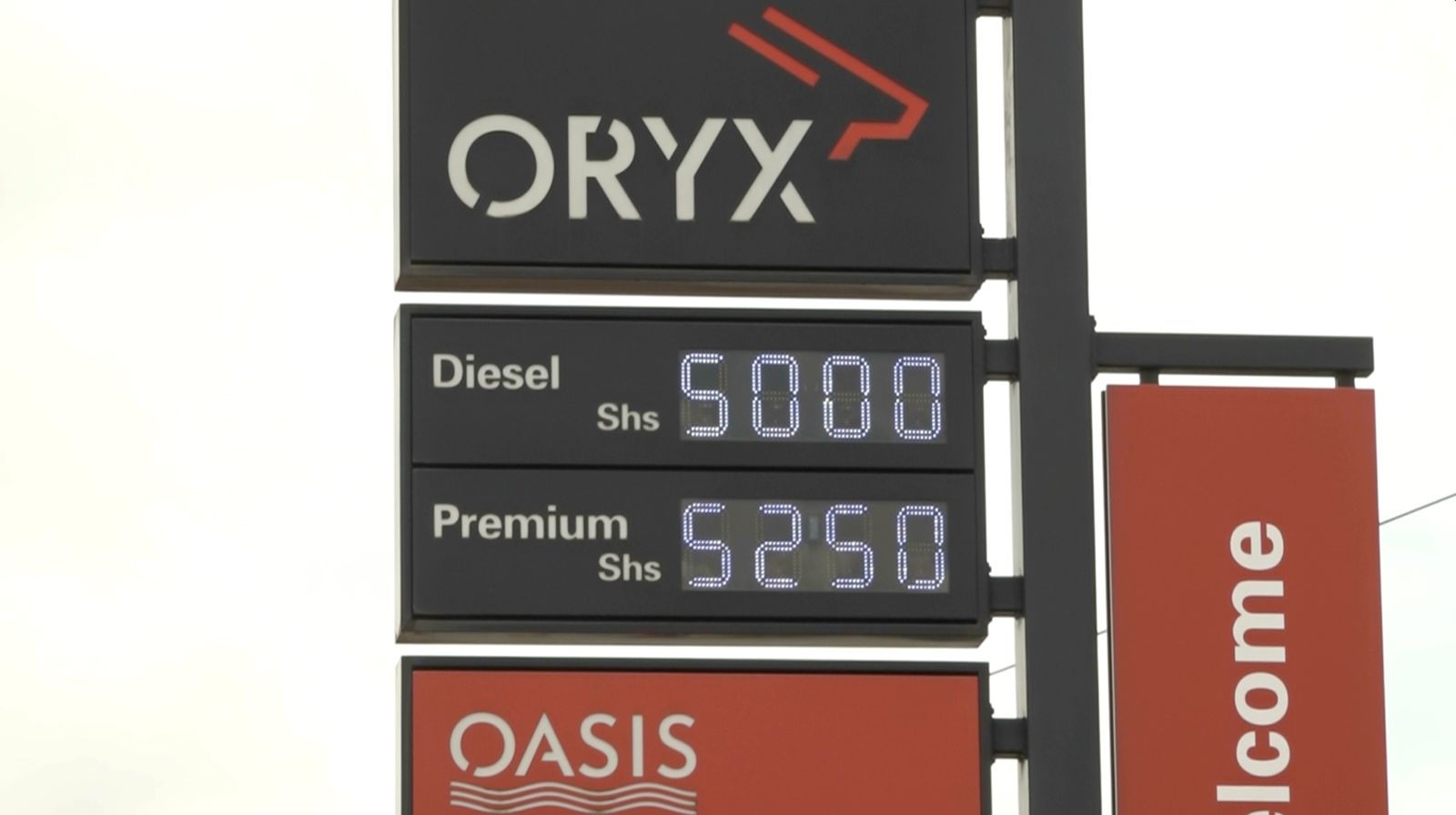
The sudden jump in fuel prices across Uganda has once again brought a distant war into sharp local focus. Over the past days, pump prices at major stations have crossed a psychological threshold, with diesel now selling at slightly more than Shs5,000 per litre and petrol in excess of Shs5,200.
It is the first time both products have simultaneously breached the Shs5,000 mark.
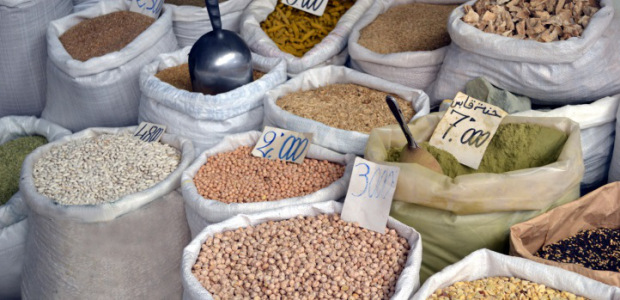
Almost immediately, the effects have begun to ripple through daily life. In many shops, the price of maize flour has climbed from Shs2,000 per kilogramme last weekend to about Shs2,500. For many households, this is not just a statistic but a direct hit on already stretched budgets.
While the increases may appear sudden, the forces behind them are global, complex, and familiar. At the centre of it all is the impact of conflict involving major oil-producing regions, particularly in the Middle East.
When tensions rise around countries like Iran, global oil markets react instantly. Even the threat of disruption to supply routes is enough to push up prices. Oil traders anticipate shortages, shipping costs increase, and insurance premiums for cargo passing through strategic waterways rise sharply.
The result is a spike in global oil prices long before any actual shortage occurs.
For Uganda, which imports all its petroleum products, this global reaction translates directly into higher pump prices. There is no buffer. Every increase on the international market is eventually passed down to the consumer.
Fuel, however, is only the beginning.
In a country where nearly every good is transported by road, higher fuel prices quickly spread across the economy. Transporters raise their charges to cope with increased diesel costs. Traders adjust prices to maintain their margins.
Within days, the cost of moving goods from farms to markets, or from ports in Mombasa to Kampala, becomes significantly higher.
This is why a commodity like maize flour can jump so quickly. The grain itself may not have changed in price at the farm level, but the cost of bringing it to urban consumers has risen. Milling, packaging, and distribution all depend on fuel, making the final product more expensive.

Uganda has experienced this pattern before. During the Russia-Ukraine war that began in 2022, global fuel prices surged, and Uganda saw pump prices climb above Shs6,000 at their peak.
At the same time, the cost of wheat and fertilisers soared, pushing up the price of bread and other staples. What began as a conflict thousands of kilometres away quickly became a daily economic reality for Ugandan households.
A similar chain reaction occurred during the Gulf War in the early 1990s, when disruptions in oil supply caused global price spikes that affected economies far beyond the Middle East. More recently, instability in Libya after 2011 also contributed to volatility in global oil markets, with ripple effects felt across Africa.
Closer to home, Uganda has also learned that even regional instability can have immediate economic consequences. The 2007–2008 post-election violence in Kenya disrupted the main supply route through which Uganda receives most of its imports.
Fuel tankers were delayed, goods were stranded, and panic buying set in. Within days, fuel shortages emerged, prices spiked, and essential commodities became scarce or expensive.
That episode demonstrated how dependent Uganda is on external supply chains, particularly the Northern Corridor through Kenya’s port of Mombasa. W
hen that route is disrupted, whether by political unrest or logistical bottlenecks, the impact is swift and severe.
Today’s situation, driven by global tensions, follows the same logic but on a broader scale. Beyond fuel, other imported goods are also affected.
Shipping costs tend to rise during periods of uncertainty, as companies factor in higher risks. Importers pay more to bring in everything from machinery to processed foods, and those costs are ultimately passed on to consumers.
Currency pressures further complicate the picture. In times of global instability, investors often move their money into safer currencies such as the US dollar.
This increases demand for the dollar and weakens currencies like the Ugandan shilling. A weaker shilling means that importing goods becomes more expensive, adding another layer to rising prices.
For the average Ugandan, these global dynamics are rarely visible. What is visible is the daily reality: higher transport fares, more expensive food, and shrinking purchasing power. A boda boda ride that cost Shs1,500 may now cost Shs2,000. A family that budgeted Shs20,000 for weekly essentials may find that amount no longer sufficient.
Economists describe this as cost-push inflation, where rising production and transport costs force businesses to increase prices. Unlike demand-driven inflation, which is caused by increased consumer spending, this type is largely beyond the control of local actors.
The current price increases serve as a reminder of Uganda’s vulnerability to external shocks. As a landlocked country heavily reliant on imports, particularly fuel, its economy is closely tied to global events.
Whether it is a war in Eastern Europe, instability in the Middle East, or political unrest in a neighbouring country, the effects are rarely contained within borders.
For policymakers, the challenge is to find ways to cushion citizens from these shocks, whether through strategic reserves, improved infrastructure, or diversification of energy sources. For ordinary citizens, however, the immediate concern remains how to cope with rising costs.
As history has shown, global conflicts may begin far away, but their consequences often end up being felt most acutely at home, in the price of a litre of fuel or a kilogramme of flour.
