
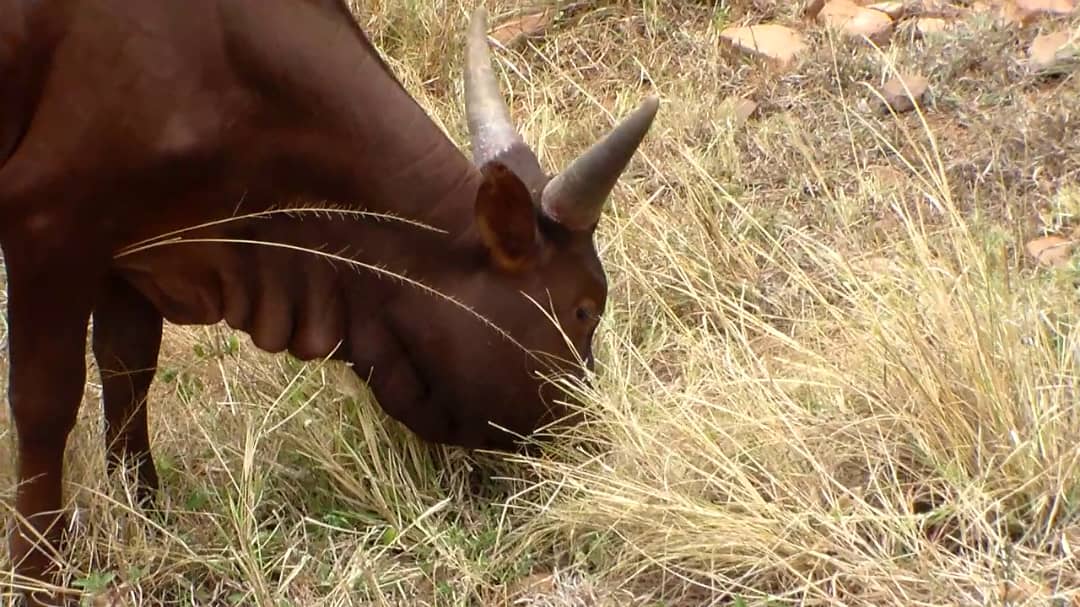
Dairy farmers have been advised to provide food supplements to their livestock in this dry spell in order for them to have constant milk supply.
This comes as milk processors continue to decry low fat milk due poor feeding of the cows and adulteration by farmers as they tempt to increase milk volumes to enable them fetch more money.
Unlike in the rainy seasons, milk production in the dry season is cut by almost half due to lack of green pastures and water.
Like other agricultural ventures, the dairy farmers in the cattle dry corridor continue to register decline in milk production due to the ongoing dry spells.
The decline in milk volumes has not only affected the incomes of the farmers but also processors who are processing milk at less compared to their holding capacities.
Dr Moses Ahimbisibwe, the western region manager for Diary Development Authority, notes that unlike in the rainy season where milk is in plenty, in the dry seasons animals starve leading to death.
To remain afloat, however, some farmers have developed a tendency of adulterating milk to enable them continue fetching money like during the wet season.
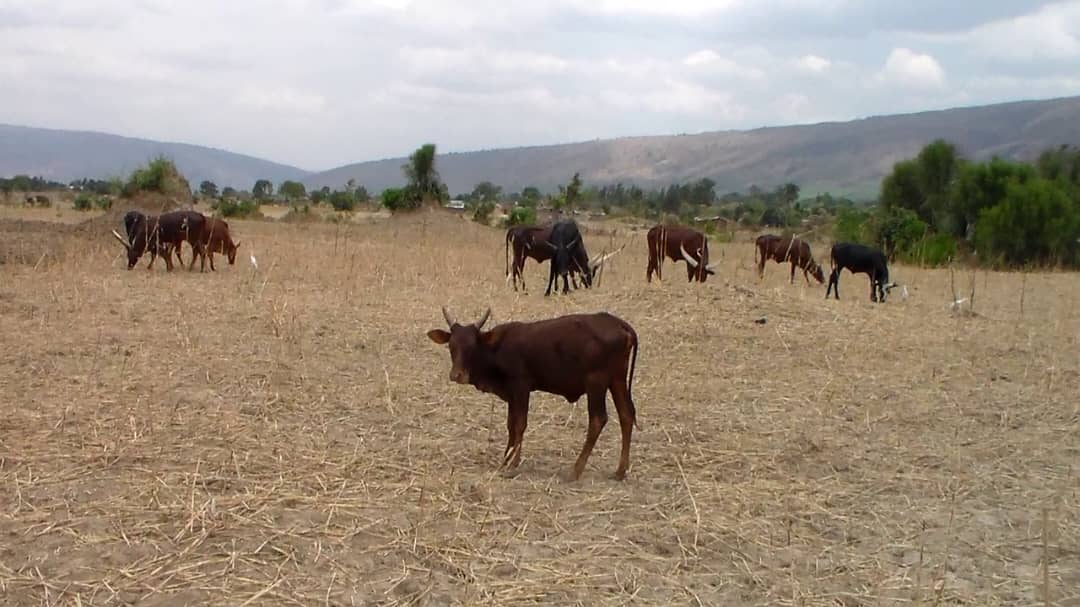
Jonan Tumusiime, the quality controller at Lakeside Dairies in Mbarara, says the supply of low density milk has had a toll on them since they have to incur huge costs in standardising milk to boost its fat content to enable them produce a desirable and consumable product.
Statistics indicate that western region contributes about 46 percent of the national total milk supply but this changes whenever the dry spells set in.
This has greatly affected consumers who have encountered increase in a liter of milk and processors who have seen a drop in milk supply per day from 200,000 litres to 70,000 litre yet the demand for their processed milk remain high.
Diary farmers are therefore encouraged to always invest in fodder conservation during the rainy season in order for them to have enough food supplements for their animals during the dry seasons in order for them to have constant and high density milk supply.
