

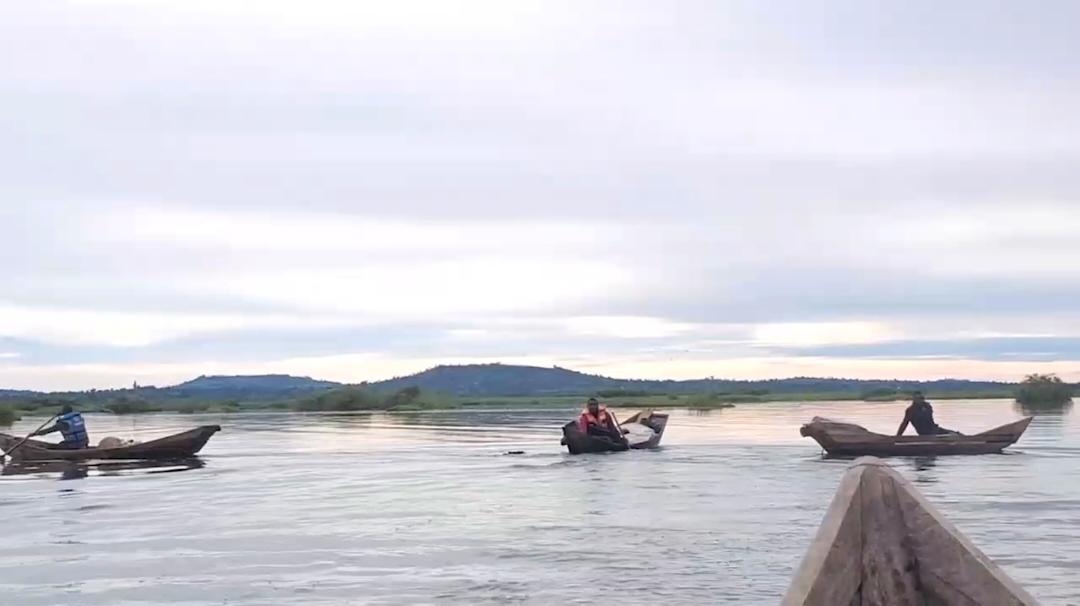
MITYANA — Efforts to promote sustainable fishing and protect fish stocks on Lake Wamala are being undermined by persistent resource constraints, despite existing regulations aimed at curbing illegal fishing practices.
According to Mityana District Fisheries Officer Elijah Ssenyonjo, the district has established guidelines intended to promote responsible fishing and safeguard the lake’s ecosystem, but enforcement remains a major challenge.
“We have put in place guidelines to ensure that fishing activities on Lake Wamala are conducted responsibly and in accordance with fisheries regulations. Our goal is to protect fish stocks and guarantee sustainable livelihoods for fishing communities,” Ssenyonjo said.
However, he noted that illegal fishing practices continue to threaten the sustainability of the lake’s fisheries resources.
These include the use of prohibited fishing gear and destructive methods that undermine fish breeding and reduce overall productivity.
Ssenyonjo said enforcement efforts are being constrained by limited operational capacity, including inadequate transport, insufficient funding and a shortage of personnel needed to carry out routine monitoring and surveillance on the lake.
“Much as we are committed to fighting illegal fishing, resource limitations continue to affect our operations. Effective enforcement requires adequate funding, equipment, and manpower to monitor activities across the lake,” he added.
The Fisheries Department has appealed for increased support from central government and development partners to strengthen enforcement and improve conservation efforts on Lake Wamala.
Stakeholders in the sector argue that tackling illegal fishing will require a combination of stronger surveillance, increased community sensitisation and better resourcing of fisheries officers.
They say these interventions are critical not only for protecting fish stocks but also for safeguarding the livelihoods of communities that depend on the lake.
Authorities remain optimistic that improved collaboration between fishing communities, local leaders and government agencies will help strengthen enforcement and ensure the long-term sustainability of Lake Wamala’s fisheries resources.