
Ugandans on Thursday, the 22nd, went to the polls to elect district chairpersons, district councillors, mayors, lord mayor and city councillors, but voting in some parts of the country got off to a slow start, with low early turnout delaying the opening of polling stations.
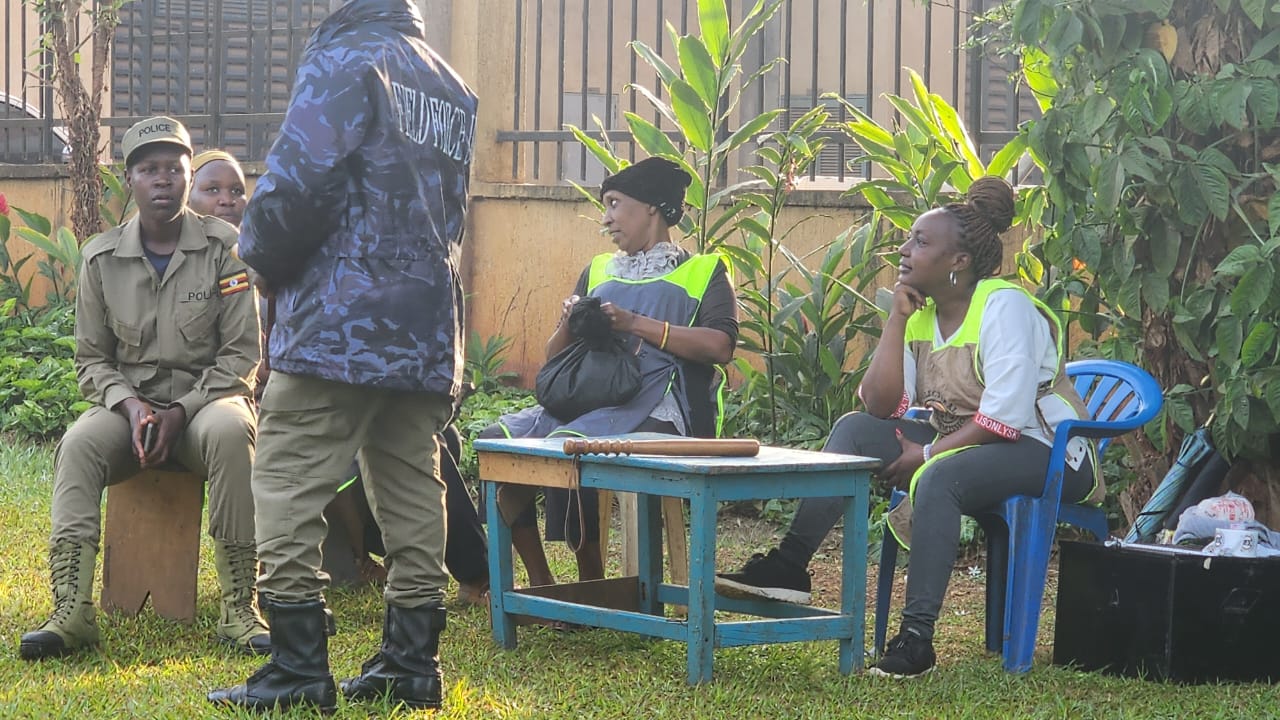
In Kampala’s Nakawa Division, several polling stations had not officially opened by 8:00am due to the absence of voters required to witness the opening of voting materials.
Although polling was scheduled to begin at 7am, election officials were unable to proceed because fewer than the required number of voters had turned up.
Electoral Commission (EC) guidelines stipulate that at least 10 voters must be present at a polling station to witness the breaking of seals and the opening of voting materials, a measure intended to promote transparency and public confidence in the electoral process.
At a number of polling stations visited in Nakawa early in the morning, election officials remained on standby as they waited for voters to arrive so that voting could formally commence.
The slow start comes just days after the presidential elections held last Thursday, in which the EC reported a voter turnout of about 52 per cent.
The low turnout mirrors that of 2021 local polls that followed the presidential and parliamentary elections during which most polling stations had voters only trickle in their thirds.
Analysts have cautioned that participation tends to decline further during local government elections, which historically attract lower voter engagement compared to national contests.
Early signs from urban centres, including parts of Kampala, appeared to reinforce these concerns, with limited voter presence observed during the opening hours of polling.
Local government leaders play a critical role in service delivery, urban management and local administration, making the elections central to governance at district and city levels.
However, civic actors have previously pointed to voter fatigue, limited awareness of the roles of local leaders and the close scheduling of multiple elections as key factors contributing to low turnout.
