
Leaders of persons with disabilities have raised concern over ongoing barriers that prevent them from fully participating in Uganda’s electoral process.
They pointed to ignorance within political parties, high nomination fees, and poor access to polling stations as major hurdles.
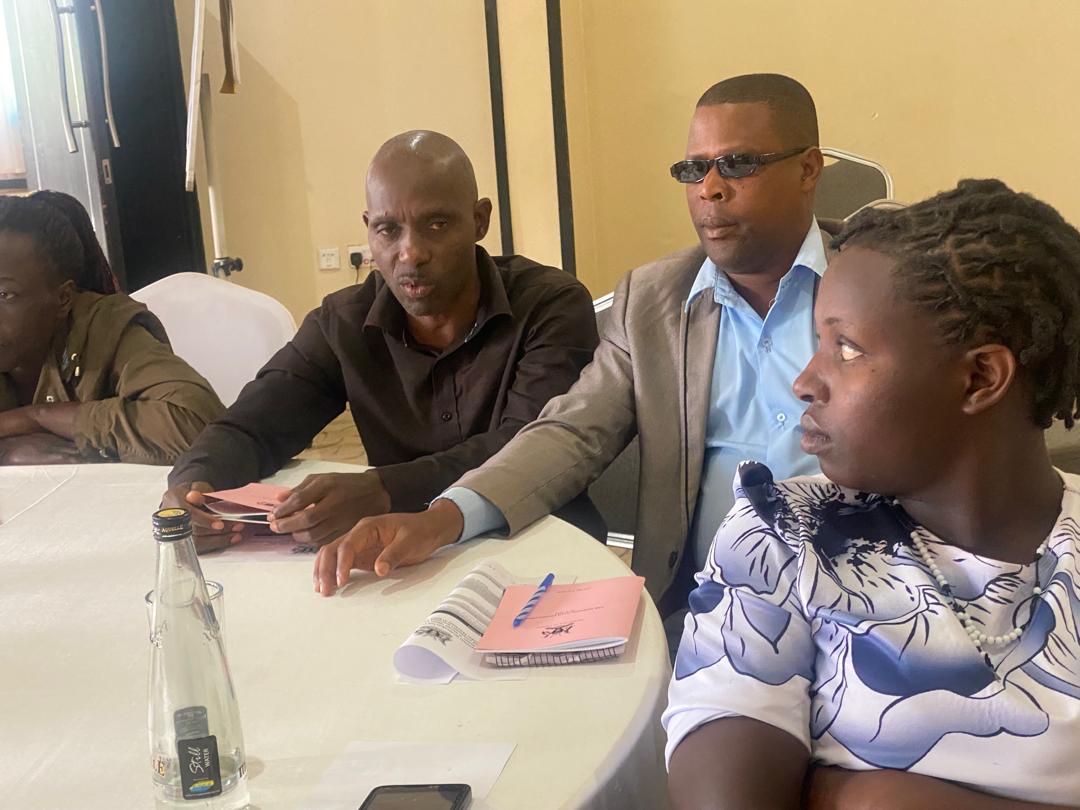
Speaking at a stakeholders’ engagement convened by the National Council for Persons with Disabilities, Osborn Turyasingura, Executive Secretary of the National Secretariat for Special Interest Groups at the Ministry of Gender, Labour and Social Development, revealed that more than 50 petitions have been received from individuals seeking to occupy political positions reserved for persons with disabilities.
Many, he said, do not fully understand the purpose of special interest representation, particularly within the ruling National Resistance Movement (NRM).
Leaders also questioned the quality of voting for persons with disabilities, noting that constitutional guarantees alone have not eliminated barriers that undermine meaningful participation.
Mugarra David, representing the Netherlands Institute for Multiparty Democracy (NIMD), advised persons with disabilities to ensure peaceful participation in the elections.
Officials cited poor physical access to polling stations, high nomination fees, and limited training by the Electoral Commission on assisting voters with disabilities as major challenges.
Turyasingura added that the government is engaging the Netherlands community to promote peaceful elections, emphasizing that persons with disabilities are often among the most affected during periods of electoral violence.
Leaders further revealed that many persons with disabilities are unaware of their designated polling stations, underscoring the need for targeted voter education ahead of the next elections.
