
Maj. Gen. Felix Kulayigye, spokesperson for the Uganda People’s Defence Forces, has rubbished claims that the state is abducting opposition figures, insisting that Uganda only conducts lawful arrests.
Speaking on The Big Talk with Canary Mugume, Kulayigye said, “There are no abductions that are done by the State."
He said: "The State arrests, it doesn’t abduct. Anybody who finds themselves in the hands of government agencies has not been abducted, it’s the methodology of arrest that differs.”
He added that the public should not worry when individuals are picked up by authorities, noting, “I would have worried myself if people indeed disappeared, but once their address or whereabouts have been established after arrest and they are in the hands of government agencies, we rest.”
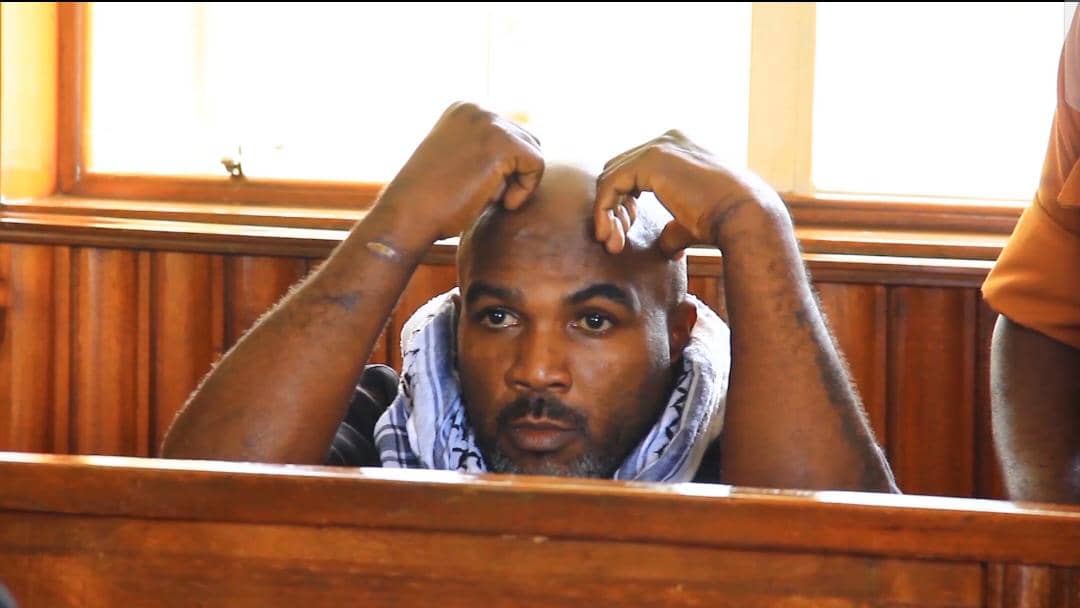
Kulayigye’s remarks come amid a series of arrests of NUP members, including high-profile figures like Sauda Madada, Ali Bukeni (Nubian Li), Alex Mufumbiro, and others detained in connection with alleged military-style drills at NUP headquarters in Makerere-Kavule.
The UPDF and police insist that these detentions are lawful, and no one is being targeted for political affiliation.
Yet, human rights observers and opposition leaders argue that many of these arrests share characteristics commonly understood as abductions.
Historically, NUP supporters have reportedly gone missing for days, only to reappear after public pressure or political intervention.
One notable case is that of Edward Sebuufu, alias Eddy Mutwe, who disappeared from public view until the Commander of Defence Forces, Gen. Muhoozi Kainerugaba, publicly declared that Mutwe was in his Makindye residence “learning Runyankole.”
Such cases, critics argue, are emblematic of abductions: individuals are taken by unidentified persons, transported in unmarked vehicles, and held at undisclosed locations without immediate access to legal counsel.
Legal definitions of abduction generally refer to the seizure or detention of a person by force or coercion against their will, often in a manner outside formal legal procedures.
While Kulayigye frames these incidents as arrests, opposition figures contend that the secrecy, lack of due process, and use of plainclothes operatives blur the line between lawful detention and abduction.
Political observers say these practices have created an environment of fear that disrupts political organisation.
“When supporters can be taken off the streets and only produced after pressure from the public or courts, it doesn’t matter what the State calls it,” said Imam Eid Kasozi, a political analyst.
“The effect is the same: intimidation, paralysis of mobilisation, and erosion of democratic space.”
During the 2021 elections, thousands of NUP supporters were reportedly abducted, some for days at a time, and eighteen are still unaccounted for.
Opposition leaders argue that the current wave of detentions mirrors these patterns, raising questions about whether Uganda’s law enforcement is respecting both legal procedures and citizens’ rights to political participation.
Kulayigye, however, maintains that the arrests are necessary to maintain law and order, particularly in the lead-up to elections.
He insists that as long as individuals are eventually produced in government custody, the process is lawful and the notion of abduction is misapplied.
Critics, however, argue that repeated use of unmarked vehicles, delayed court appearances, and secretive holding locations undermines the claim that these are merely standard arrests.
The debate highlights a persistent tension in Uganda’s political landscape: while security agencies defend their operations as lawful, opposition figures and analysts see a pattern of enforced disappearances that stifles political activity and raises concerns over the boundaries of state power.
