
Tensions are rising within the National Unity Platform (NUP) in Makindye Ssabagabo Municipality following the release of the party’s official list of flag bearers for the 2026 general elections.
Several long-standing party members and supporters have accused the party’s vetting committee of sidelining loyal candidates in favor of newcomers, fueling anger and sparking threats of independent bids.
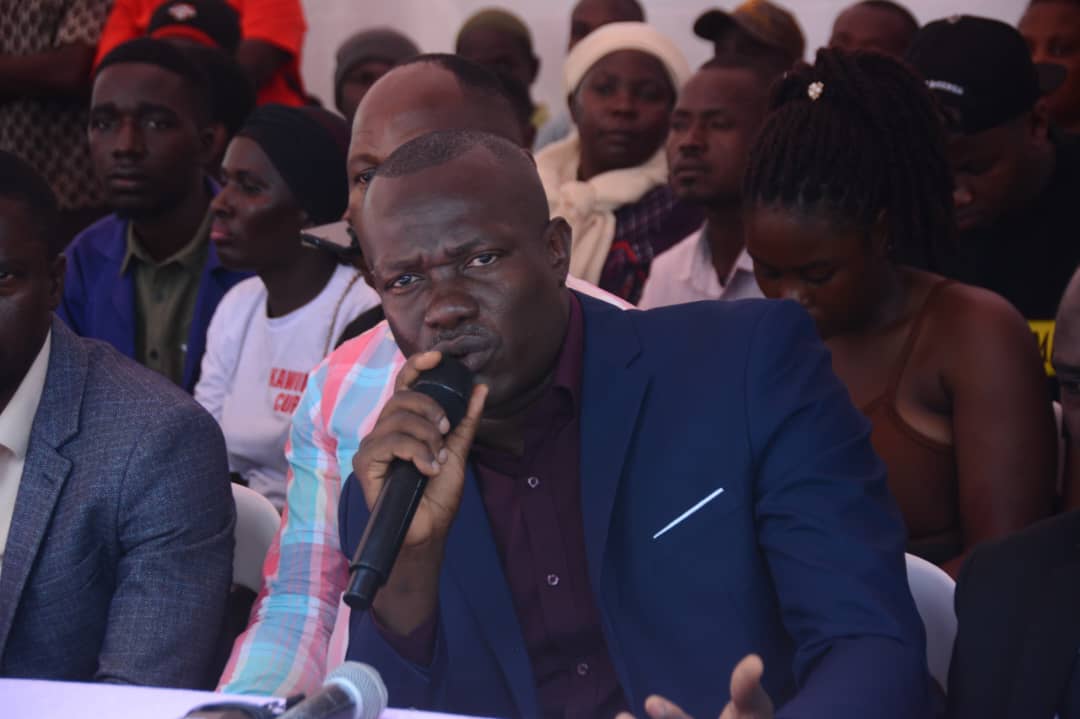
The situation escalated on Tuesday when Cedric Kawuma, a widely recognized figure in Makindye Ssabagabo politics, held a press conference to express his disappointment over being denied the party card for the mayoral race.
Kawuma, who had been seen as a strong contender for the NUP flag, accused the party of betrayal and political injustice, saying his years of service and grassroots mobilization had been ignored.
“I have spent many years building grassroots support and serving this municipality. I have been loyal to the party, but now I ask: what did I do to deserve being denied the ticket?” Kawuma questioned.
“Since the people still want me, I will stand as an independent.”
He said his decision to run as a “Namunigina” — the local term for independent candidate — was encouraged by overwhelming support from community consultations following the party’s announcement.
Kawuma’s declaration has resonated with other frustrated NUP members who were also denied tickets. Many echoed his concerns, accusing the party of favoritism and political manipulation in the selection process.
In response, NUP leadership has defended the vetting exercise, maintaining that only candidates who met the party’s criteria were selected.
Officials say the process was thorough and aimed at endorsing the strongest candidates with the best chances of winning and delivering on the party’s agenda.
“The party has clear benchmarks, and decisions were made based on merit,” a senior NUP official said, dismissing claims of bias.
However, the fallout in Makindye Ssabagabo underscores growing internal tensions within Uganda’s main opposition party as it heads into what is expected to be a high-stakes election cycle.
Political analysts warn that the emergence of independent candidates from within NUP’s own ranks could fracture the opposition vote, particularly in urban constituencies where the party has previously enjoyed strong support.
“As more influential figures break away over internal disputes, NUP risks weakening its position, and this could hand rival parties an advantage in areas it once dominated,” one analyst observed.
For now, all eyes remain on how the NUP leadership will manage internal dissent — and whether it can prevent a wider rift that could cost it dearly in 2026.
