
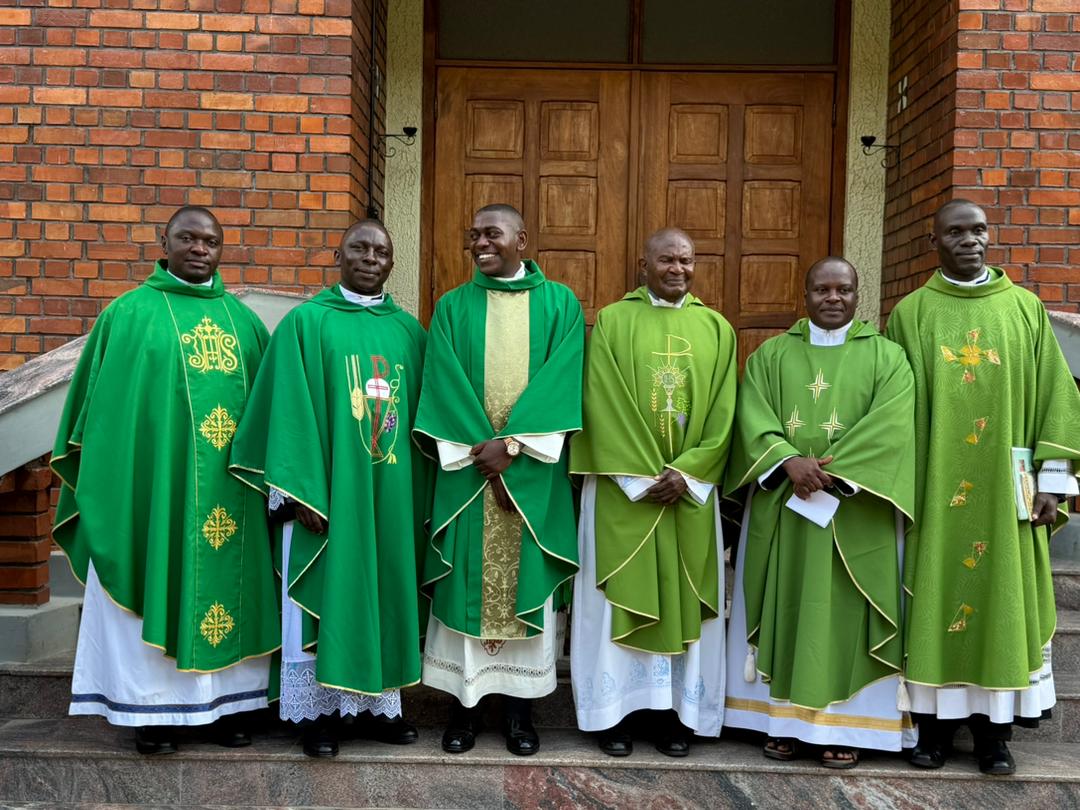
WAKISO — Long before the roar of aircraft became synonymous with Entebbe Road, a rocky hill overlooking the northern shores of Lake Victoria was little more than bushland.
Today, that same hill is home to Kisubi Seminary, one of Uganda’s most respected institutions of learning and priestly formation.
As it marks its Platinum Jubilee, the seminary reflects on a remarkable journey shaped by faith, resilience and a vision to prepare young Ugandans for service in the Catholic Church.
Over the past 75 years, Kisubi Seminary has evolved from a modest formation centre into a national institution whose influence extends far beyond ecclesiastical life.
More than 700 men have been ordained after beginning their formation at Kisubi, while countless others who pursued different paths have gone on to serve as educators, academics, public servants and professionals contributing to national development.
Its alumni include five bishops, senior diplomats, university professors and cabinet ministers, underscoring its dual legacy as both a spiritual and intellectual powerhouse.
The story of Kisubi Seminary officially began in 1951, although its origins trace back to a preparatory seminary established in Mubende a year earlier.
As Uganda’s Catholic population expanded under missionary growth, the White Fathers recognised the need for a permanent institution to form indigenous clergy capable of leading the local Church.
Archbishop Louis Joseph Cabana entrusted Fr L. Moreau with overseeing what would become one of the Church’s most ambitious construction projects in Uganda.
The chosen site, locally known as Kibaale Hill, was far from ideal—rocky terrain, minimal infrastructure and limited access roads. Yet this difficult landscape became central to Kisubi’s identity.
Seminarians themselves participated in clearing rocks, preparing gardens, levelling grounds and transforming the site into a space for learning and prayer. Teaching often continued amid construction noise, with cement mixers, trucks and builders sharing space with classrooms.
Despite the disruption, a strong spirit of fraternity, sacrifice and resilience emerged—values that would define Kisubi for generations.
Formation beyond the classroom
Life at Kisubi was never limited to academics. Under the first Rector, Fr. Andrew Page, seminarians engaged in sports, brass band performances, swimming excursions at Nnabinoonya Beach and occasional cinema outings. Formation combined intellectual, spiritual and social development.
Archbishop Cabana closely monitored construction progress, often visiting the site personally, including on his patron saint’s feast day. The project also attracted support beyond the Church. In July 1951, the Katikkiro of Buganda and his finance minister visited and pledged support for access road construction, recognising the institution’s future importance.
Essential services gradually followed. Electricity arrived in August 1951, while water systems were strengthened the following year through storage tanks and pumping systems. By Christmas 1951, much of the main structure was already roofed despite heavy rains and material shortages.
The first seminarians arrived in early 1951, even as construction was ongoing. Only parts of the facility—including the kitchen, dining hall and residential blocks—were complete. Other spaces were quickly converted into classrooms and chapels.
Kisubi opened with three classes and just over 70 students, many transferred from Bukalasa Seminary in Masaka or the preparatory seminary in Mubende. What they lacked in infrastructure, they made up for in determination.
The seminary was officially opened on January 3, 1952, and celebrated its first Seminary Day the following month.
Fr. Andrew Page, who became the first Rector in 1952 after Fr. Riccardo Cays’ earlier oversight in Mubende, helped establish the traditions of discipline, academic excellence and pastoral formation that remain central today.
A rising centre of Church life
Within a few years, Kisubi had become more than a training institution. Its strategic location and reputation for excellence made it a key venue for major ecclesiastical gatherings across East Africa.
In 1953, it hosted the First African Catholic Lay Apostolate Conference, bringing together more than 200 delegates, including a Cardinal and 17 bishops.
In 1954, the seminary hosted Archbishop James Robert Knox during discussions that culminated in the establishment of the Catholic hierarchy in Uganda. On April 27 that year, Uganda was formally structured into dioceses and ecclesiastical provinces, marking a defining moment in Church history.
Kisubi had become not just a seminary, but a cradle of modern Catholic leadership in Uganda.
As enrolment increased, so did infrastructure. New classrooms were built, staff numbers grew and distinguished visitors became frequent, including governors of the Uganda Protectorate, regional bishops and even King Mutara III Rudahigwa of Rwanda.
Academic excellence soon became a hallmark. In 1956, Kisubi’s first candidates sat the Cambridge School Certificate examinations at St. Mary’s College Kisubi and achieved a 100 percent pass rate. This set the tone for a long-standing tradition of academic distinction.
By 1957, enrolment exceeded 110 students, prompting further expansion including the construction of a chapel, later blessed in 1958 by Archbishop George Cabana of Sherbrooke, Canada.
Music also flourished. The Kisubi Seminary Band became a cultural ambassador, performing at major national and Church events, including welcoming Cardinal Laurean Rugambwa in 1960 and Cardinal Emmanuel Kiwanuka Nsubuga in 1976.
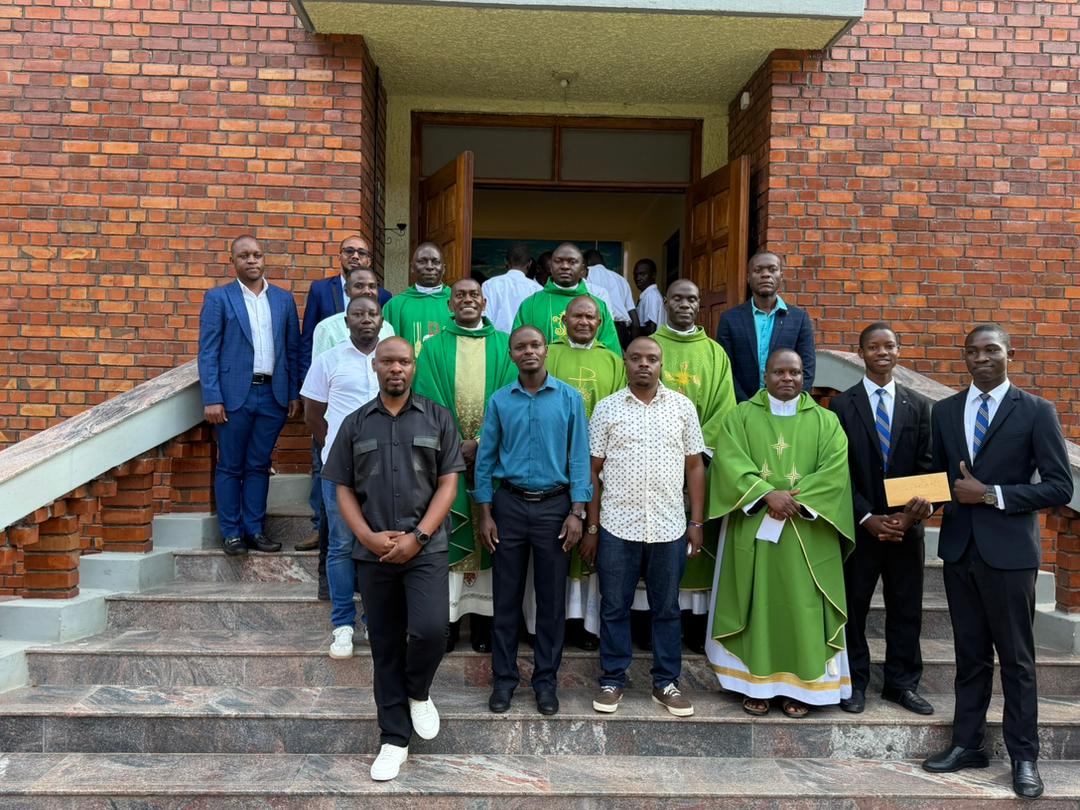
Transition to indigenous leadership
The early 1960s marked a shift from missionary leadership to indigenous Church governance. In 1961, Archbishop Joseph Kiwanuka visited Kisubi, admitted new seminarians and symbolised this transition.
A historic milestone followed in 1964 when Fr. Francis Xavier Mugambe became the first priest fully formed at Kisubi Seminary. He later returned as Rector between 1981 and 1988, completing a full circle from student to leader.
While Kisubi’s primary mission remained priestly formation, its influence extended far beyond the altar. Many alumni who pursued other vocations became leaders in academia, public service and governance.
Notable figures include Archbishop Augustine Kasujja, Apostolic Nuncio to several countries; Bishop Joseph Anthony Zziwa, Chairman of the Uganda Episcopal Conference; Bishop Lawrence Mukasa of Kasana-Luwero; the late Bishop John Baptist Kaggwa of Masaka; and Bishop Matthias Ssekamaanya of Lugazi.
Beyond Church leadership, alumni such as State Minister Dr. John Chrysostom Muyingo, composer Prof. Justinian Tamusuza and education scholar Prof. John C. Ssekamwa demonstrate Kisubi’s broader national impact.
Formation of character and service
For generations, Kisubi has been defined not only by academic excellence but by character formation. Discipline, integrity, leadership and service remain its core values.
Many alumni describe the seminary as a place where intellectual rigour was matched by spiritual discipline and personal responsibility. These values have shaped leaders across sectors of society.
Behind this legacy stands a wide network of contributors—priests, sisters, teachers, support staff and benefactors. Particularly notable is the contribution of the Sisters of the Immaculate Heart of Mary Reparatrix (Ggogonya), founded by Archbishop Cabana, who have served the institution for decades.
Platinum Jubilee and future vision
As Kisubi marks 75 years, celebrations are expected to bring together bishops, priests, alumni and friends of the institution in a reflection of gratitude and continuity.
The seminary is also looking ahead, focusing on curriculum modernisation, stronger research capacity, global partnerships and infrastructure development.
Future formation will place greater emphasis on contemporary challenges including technology, ethics, environmental stewardship, social justice and intercultural dialogue.
At its core, Kisubi remains committed to holistic formation—preparing young men not only for priesthood but for servant leadership in a complex and changing world.
From classrooms built amid construction sites to hosting historic Church milestones, Kisubi Seminary has remained a constant presence in Uganda’s religious and educational landscape.
Seventy-five years after its beginnings on a rocky hill, it stands as a symbol of endurance and transformation. Its greatest legacy lies not in buildings, but in the thousands of lives shaped within its walls—lives that continue to influence the Church, communities and national development.
As it celebrates its Platinum Jubilee, Kisubi Seminary is not merely marking time. It is affirming a living legacy that continues to grow—rooted in faith, strengthened by history and направed toward the future.
